Suit Up? The Stark Shift In Sideline Style
Forget tradition. These days, the business-vs-casual divide has shifted sharply on college basketball sidelines. At least when it comes to attire, you'll find leisure routinely one-ups chic among most coaches — and the quarter zip reigns.

SOMEWHERE IN THE SOUTH — Having just lost in the first round of the SEC Tournament, Houston Mallette’s mind was anywhere but present. Or maybe it was absurdly so.
“Damn,” the Alabama guard murmured as he walked off the court, “he’s fly.”
The “drippy” perpetrator? John Calipari himself. The outfit in question? A red plaid jacket, worn with grey dress pants and brown loafers, fitted with a designer belt that Mallette was tempted to ask the Arkansas head coach about, had the graduate student not just fallen ill to an upset. … And because it’d be uncouth.
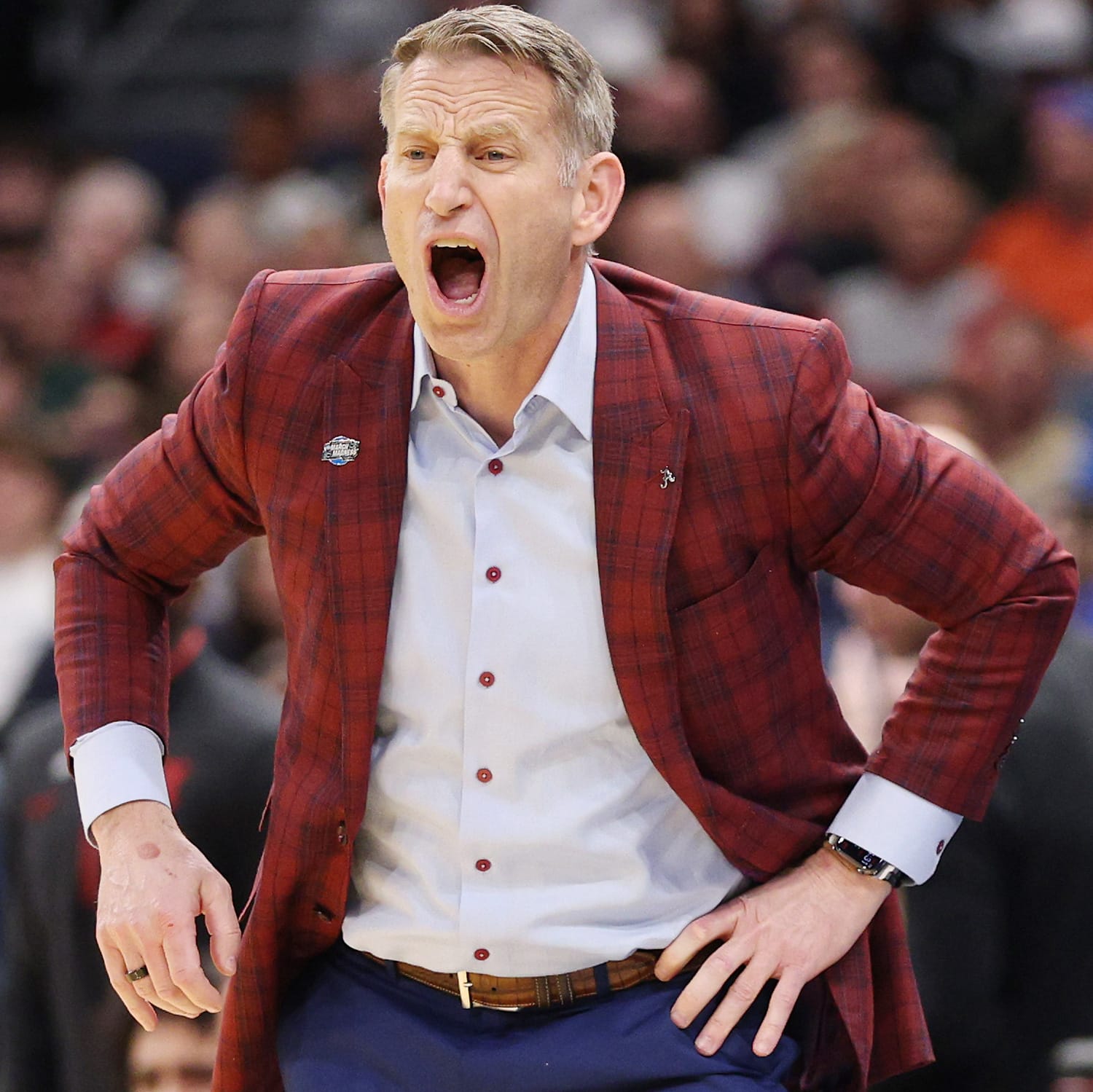
“I can’t be cheating on my lead man like that,” he said. Mallette’s coach, Nate Oats, doesn’t just “roll out of bed” onto the court. He frequently dons designer jackets that he sources from Hong Kong. So Mallette’s interest drowned in the moment’s weight. A week later, in Tampa for the first weekend of the NCAA Tournament, though, he took advantage: “I’ve been asking all these coaches about their shoes and why they wear these things.” Because … “I want to be a coach one day, and if I’m going to coach, I’m going to be fitted,” he said, pausing for a moment. “That’s what I grew up watching.”
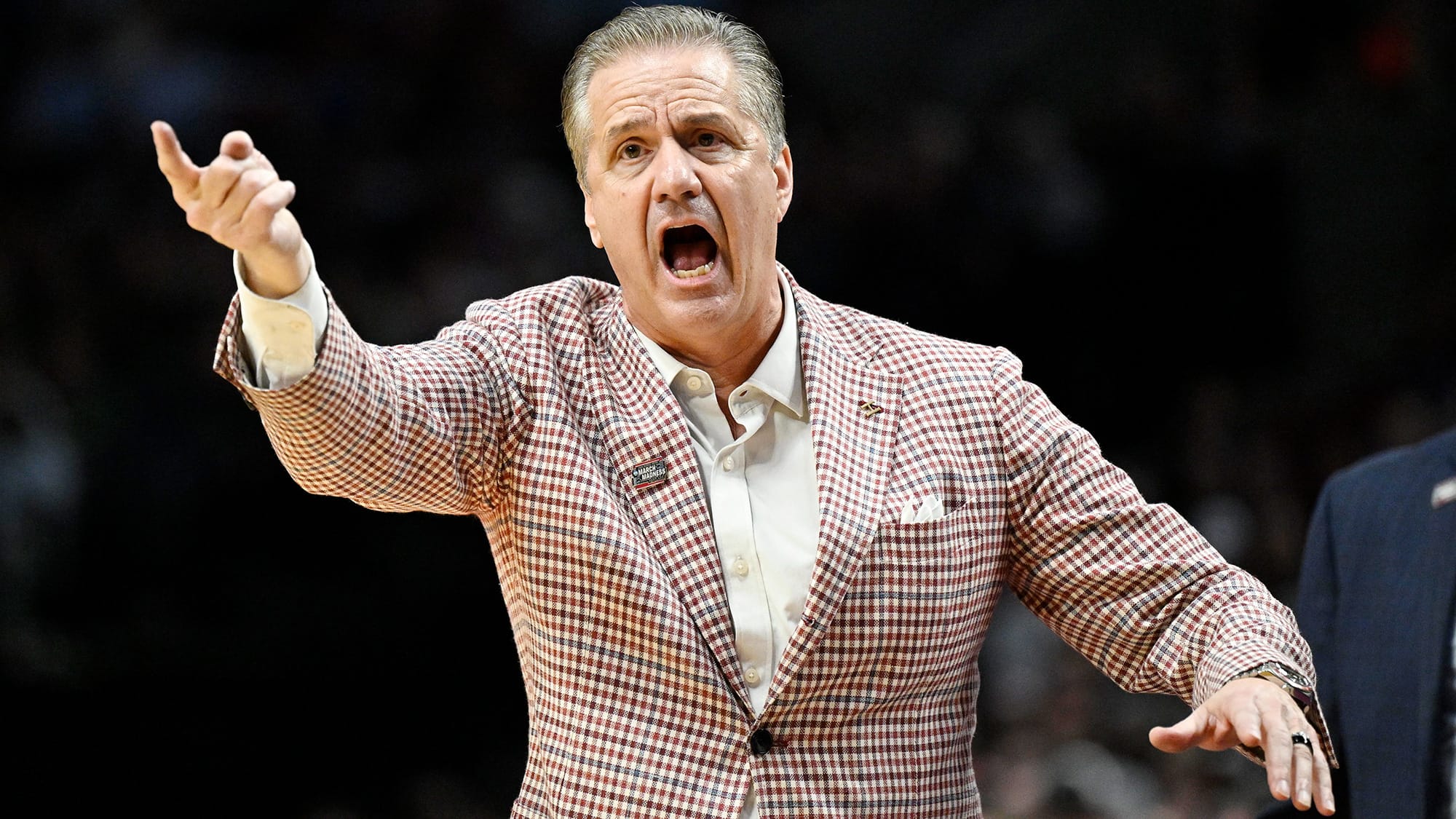
But times, as they tend to, have changed. After years of basketball coaches dressing like they were interviewing in the morning for the chance to coach that night, spotting a tie in an arena is a season-long endeavor. College basketball is the most aggressive – few take workplace attire less seriously than some of each state’s highest-paid employees. Of recent, quarter zips are the norm, with over 80% of the coaches in this year’s NCAA Tournament turning to leisure, whether that be the “Q,” pullovers or even holiday sweaters, as Queens University coach Grant Leonard did last week. This is the way of most post-COVID-19, when the world determined that sweatpants were just as capable of supporting quality performance as business attire.
The last NCAA Tournament that primarily featured suits was in 2019, when 54 of the 64 coaches wore one in the first round. Seven wore only a shirt and tie. Two more wore vests. One — yes, one — wore a polo. Possibly Eric Musselman’s bid to join the fashion police. By 2021, though, 37 were in quarter zips, and only four were in suits. With each year, those numbers have gradually become more aggressive, peaking with 46 quarter zips in 2024, and 43 this March.
“It’s just a lot nicer,” Vanderbilt coach Mark Byington said. “You can move easier in it, and you sweat a lot during these games, so it’s better for that.”
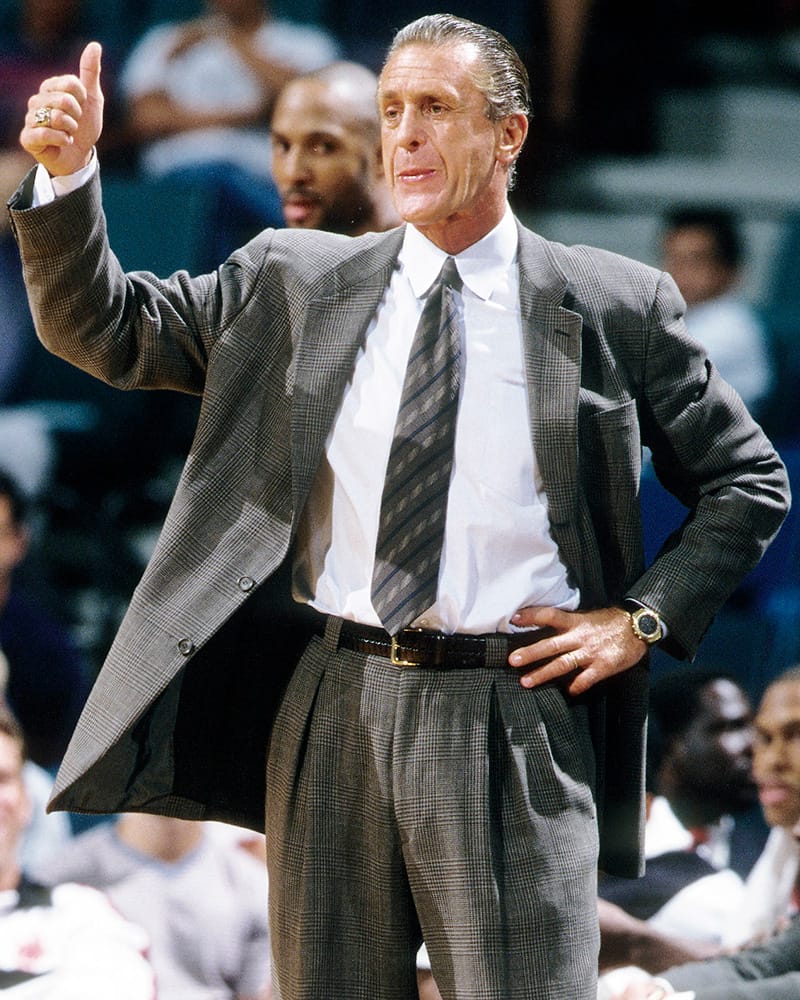
A few sticklers remain, like Oats, who provide breathing time capsules of what the sport once was. Among them, age isn't a factor. It isn't old men wearing their beloved suits. The average suit wearer is only five years older than their counterpart. None is more vocal than former NBA coach Pat Riley, who said in February that attendees want “to see somebody on the sidelines who looks like a leader, dresses like a leader, acts like a leader.” When he patrolled arenas in the ‘80s, ‘90s and early 2000s, his Armani suits symbolized that principle in the sport’s most dynamic form.
Yet he’s in the minority.
Five years ago, college basketball coaches went casual for the 2021 NCAA Tournament, back in the days of masks and, for a spike of bittersweet nostalgia, social distancing. Wearing a suit for the sake of the crowd doesn’t mean much when, well, there isn’t a crowd. Suddenly comfortable for the first time, old habits grew old for most. “I never want to see a suit again,” Florida associate head coach Carlin Hartman said. For a smaller band, finer dressing remains a symbol of their stature. “It’s who we are,” Calipari said.
A right choice?
Same verdict as the responses Mallette got from his makeshift poll.
“It’s complicated,” said Dr. Simon Ferber, a clinical psychologist who helped author a 2015 study examining how attire affects workers. “For dramatic guys like basketball coaches, there are a lot of arguments.
“And they might all be valid.”

Ramesh Kripalani isn’t one to insult you. He’ll just insinuate.
So when Oats walked through the lavender-smelling front door of Kripalani’s in Birmingham, Alabama, the 40-year-old tailor scanned him for a good 30 seconds. “It was awkward,” Kripalani admitted. “But the cheap suits he brought, those just weren’t going to work.”
Apparently, Buffalo, New York, where Oats ventured from in 2019, didn’t have quality jackets. The entire city, Kripalani determined. And for Oats to sway a steel-eyed Alabama fanbase, he would need to look the part. In Tuscaloosa, a reference to a legend can’t hurt. Ehm. So Kripilani took him “for a ride,” the coach said, and they spent hours together fitting his closet.
When he debuted his first plaid jacket in 2020, drawing every Bear Bryant comparison he could, the Crimson Tide audience latched. After some finagling with polos during the pandemic, he returned to jackets by the end of the year. Alabama won its first SEC Championship in nearly two decades. The outfit was never leaving.
“I like it, but I couldn’t go away from it if I wanted to,” Oats said. “I think it represents me, and it represents my role. All the guys that came before us wore jackets, so it’s almost a type of tradition.”
One is Calipari, who at 67 was coaching nearly two decades before Oats (51). When he first leaped into the business as an assistant at Kansas, he would’ve been underdressed in khakis. At each subsequent stop, his style flowed with the times, but it always reigned as a staple in the sport. In Memphis in the late 2000s, his fits had become a cultural touchpoint. He began operating as the fashion police, detailing how an all-white suit rival Rick Pitino wore made him “gag.”
Then came the pandemic, and, becoming an “old man” – his words – he decided it was time to “dress like it,” though the majority of suit-wearers are actually under 50. Maybe he was the original king of the quarter zip, but the fashion trailblazer never left him, and many others followed … for the time being. In 2022, he hired his son, Brad Calipari, and the suits returned at his request.
“I’m 25 at the time, I want these guys to respect me and know I’m their coach,” Brad Calipari semi-screamed on the court at the SEC Tournament, surrounded by his current players joking after their victory. “They’re all good guys, but they see a 6-foot-nothing coach’s son, me, and they’re going to play around.”
Couple eyebrows raised by his interview support partners, but they get it. For many coaches still in the dress-up business, it’s a matter of fulfilling a role, albeit a stereotypical one. Dressing in the old-school shape of a leader can make those surrounding them feel like they’re fit to call the shots. In the most broad-stroke level, people listen to someone who looks “official,” Ferber said. From a more abstract perspective, they’re “generals,” Kripilani likened. When heading into battle, Napoleon wasn’t in his sleeping trousers.
This deal isn't a science, either, with formal folks definitely thinking more highly of themselves. Even that can be dangerous. No one wants a coach whose ego’s through the roof – though those populate like rabbits, rarely because of the attire. But a coach who thinks they’ve got a lot of it down, realistic or not? Can’t hurt.
Patrick Kenger runs PIVOT, one of the largest male styling and image consulting firms in the United States. He works with anyone, whether a Grammy winner or a CEO, to determine the attire that elicits their best ... everything. Everyone’s different, he said, yet he leans toward more formal attire for leaders, even in a modern world where workplaces want more slacks and fewer tailor contacts.
“Knowing you look good is an automatic confidence boost,” he said. “Formal attire is the kind of ‘armor’ that helps us feel like we've automatically got something right out of the gate.”
A late toss-in: “It can help you better focus on the matters at hand.” Ferber agreed. According to his study, which examined whether someone who wears a suit thinks more like a leader (to sum up five pages of small text: yep, they do), the way the mind works can allow outside variables, such as clothes, to shape processing. If someone believes they’re a leader, they might be more inclined to think about the bigger picture. They could even be more attentive to what’s happening in front of them, picturing their next steps, like Kenger suggested.
“I knew I was smarter than some of these guys,” Calipari joked. “Makes me a little sad [that] it’s because of what I’m wearing.
“But if we’re winning, why would I stop?”

Florida didn’t just win the SEC regular season title. It did some conference renovation — first, a leveling.
Gators 111, Calipari’s boys 77
While Florida has since bowed out in the second round of the NCAA Tournament to Iowa — coached by Ben McCollum, one of just 10 men in the Dance wearing a tie — the late February meeting between Arkansas and Florida was as polarizing as they come. The one similarity between Florida coach Todd Golden and Calipari is the pleasure they take in serenading refs. Otherwise, the programs rest on opposite ideological pillars, whether it be roster makeup, in-game tactics or leadership style.
Oh, and clothing.
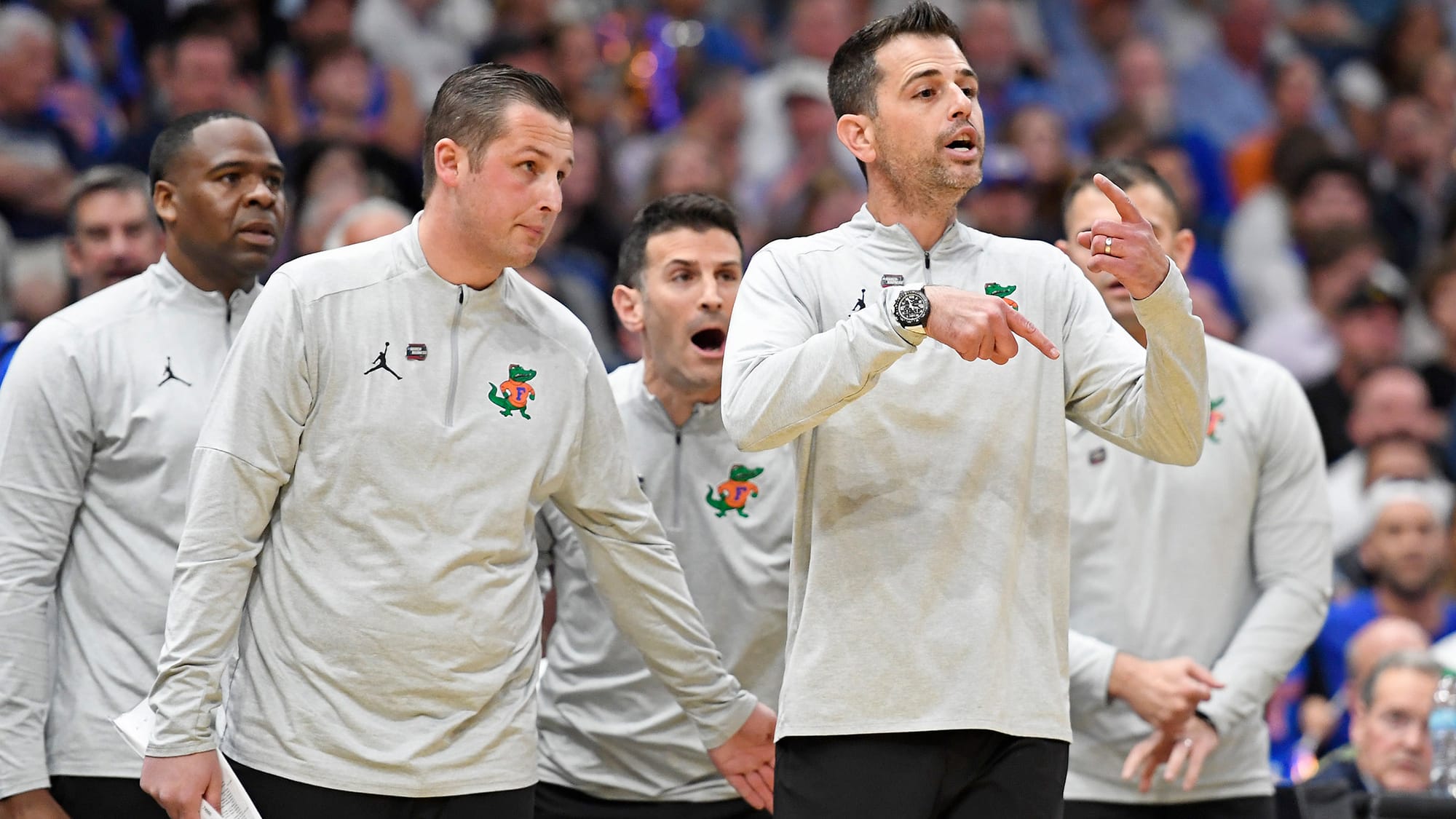
Since 2021, before Gainesville was even a thought, no member of the current Florida staff has worn anything but a quarter zip and joggers. “Man, it’s nice,” Hartman said. “It’s just so comfortable.” Which is why so many have gone that direction. Simply, coaches would rather be comfy.
Albeit, some of this is to Calipari’s point of following what works. When Ole Miss got off to an 11-17 start, capped by a 10-game losing streak, coach Chris Beard switched from quarter zip to suit, and by the time his team was playing in the SEC semifinals, he wasn’t willing to rule anything out.
“Honestly, it might be the suit,” he said over Chappell Roan’s “Pink Pony Club,” which was blasting from his changing room — pulling out all the stops. “But, like, let’s be real, none of this makes a difference.”
The quarter zippers have their own superstitions. Golden won’t wear blue against Kentucky, which the Gators went 3-0 against this season. Duh. Multiple coaches said they are consistently involved in choosing what color they wear each game. Golden’s to the point of being “handsy,” Florida director of basketball operations Jordan Jacobson said.
“He’ll send things back to me with just small changes,” he said. “He wants to feel in charge. … But he cares.”
Others don’t.
“I’d wear what my dog sits in front of me,” Tennessee coach Rick Barnes said.
What unites the casual coaches is the sheer authority with which they don’t care what you throw at them about what “authority figures” should wear. College sports are changing, and the traditional program hierarchy is evolving into a new family tree in which players charter greater pull. Yes, coaches lead them. A world of coaches cosplaying as mafia dons is extinct, though. Wearing a suit for the sake of “remaining an authority figure is insane,” one coach said.
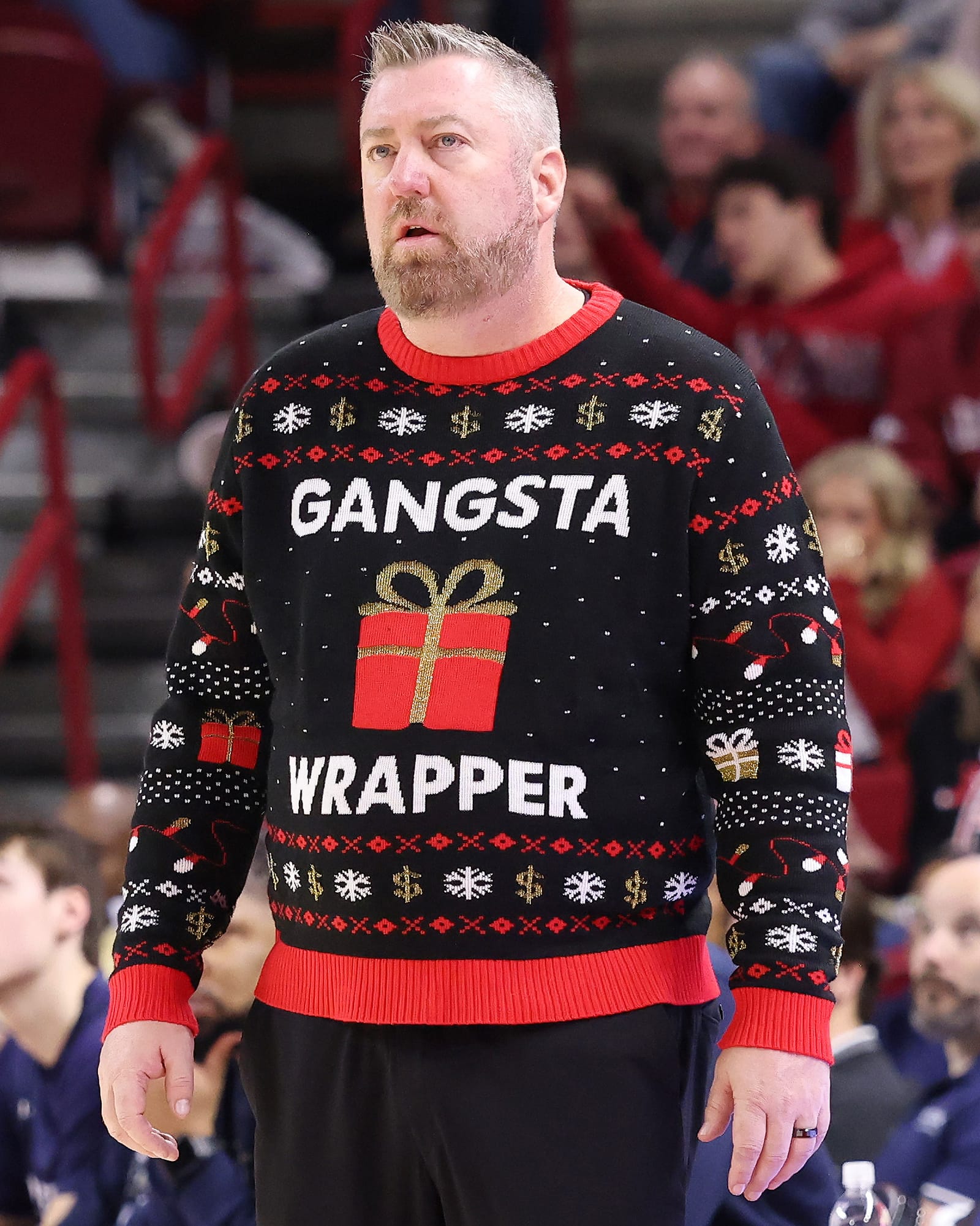
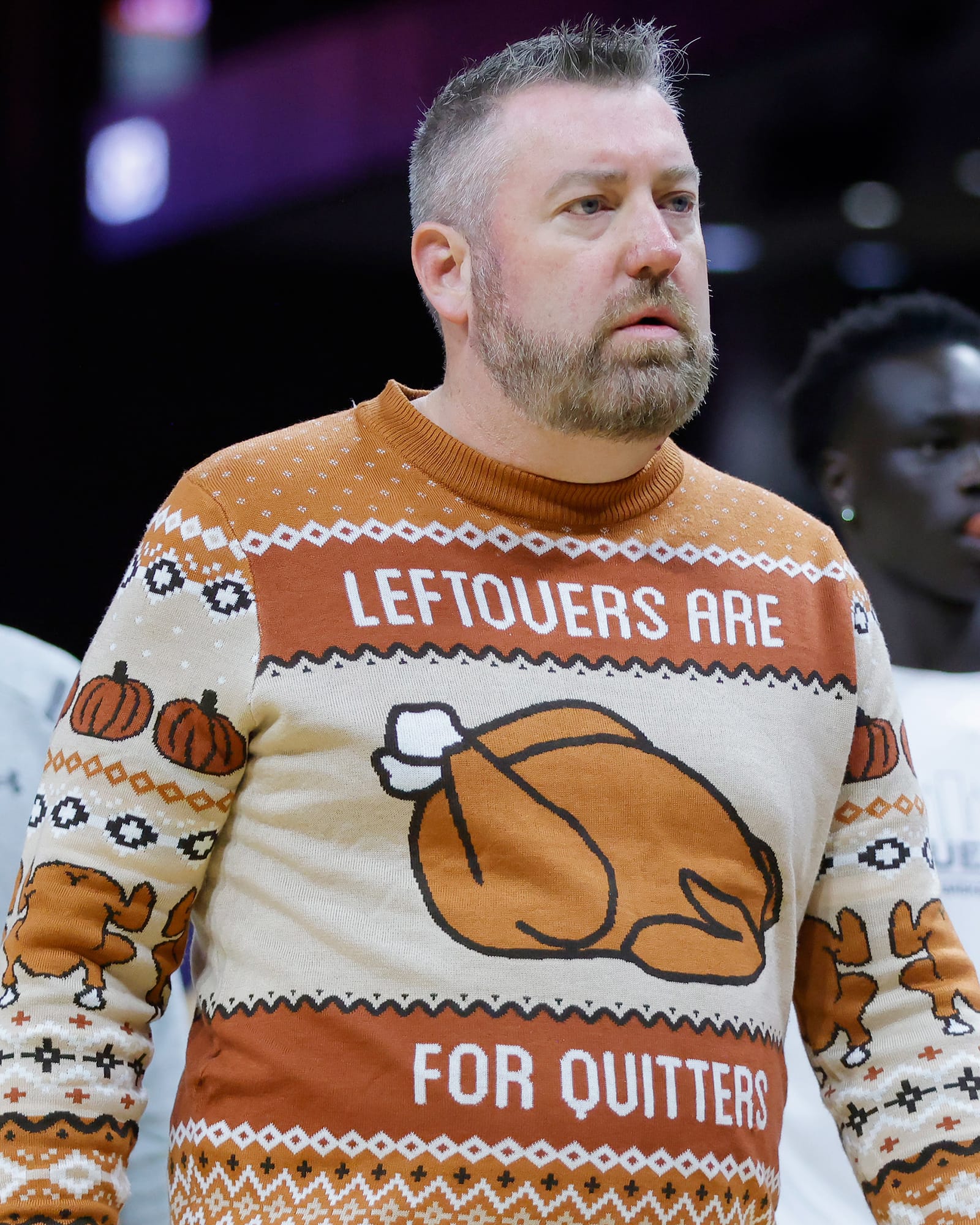
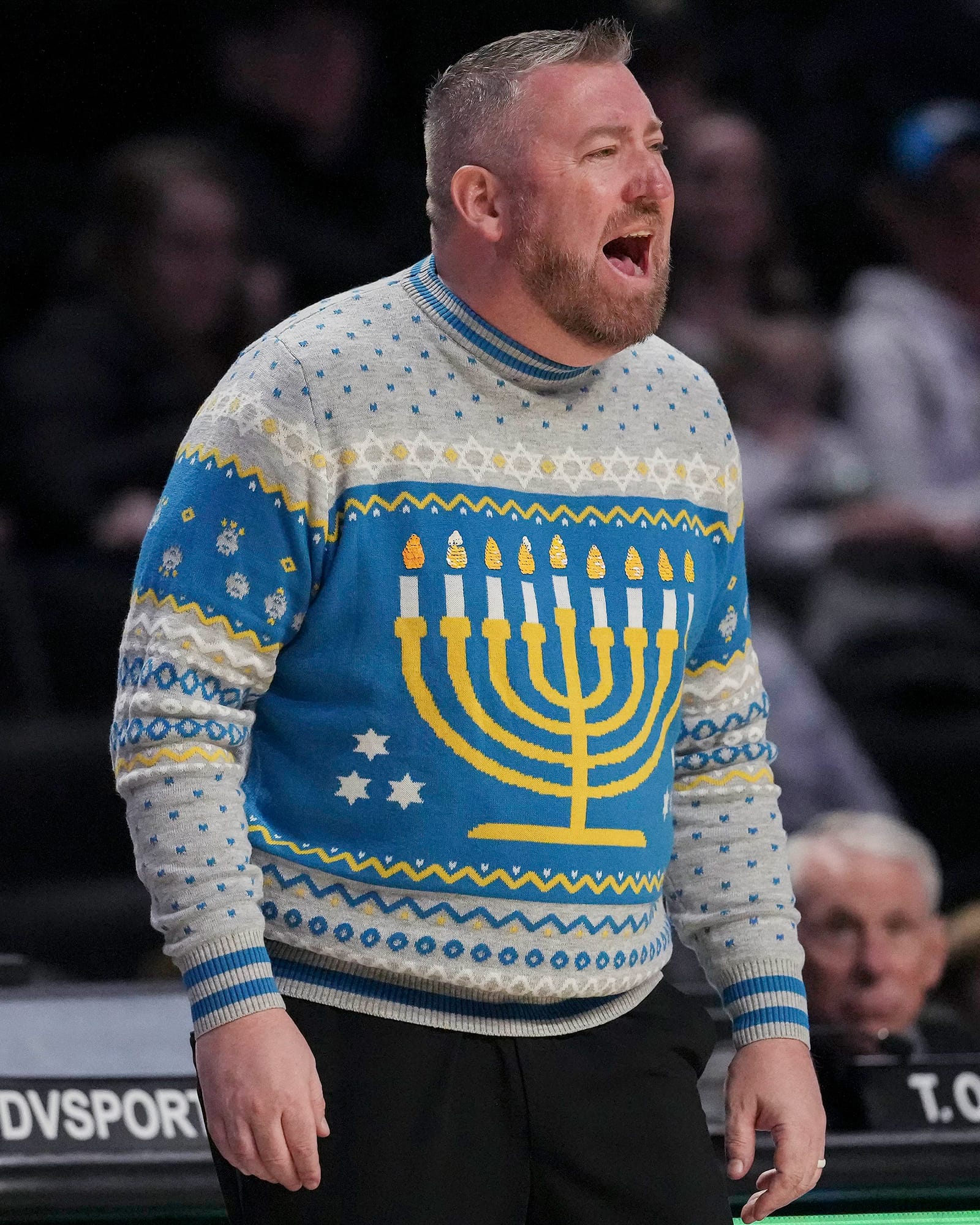
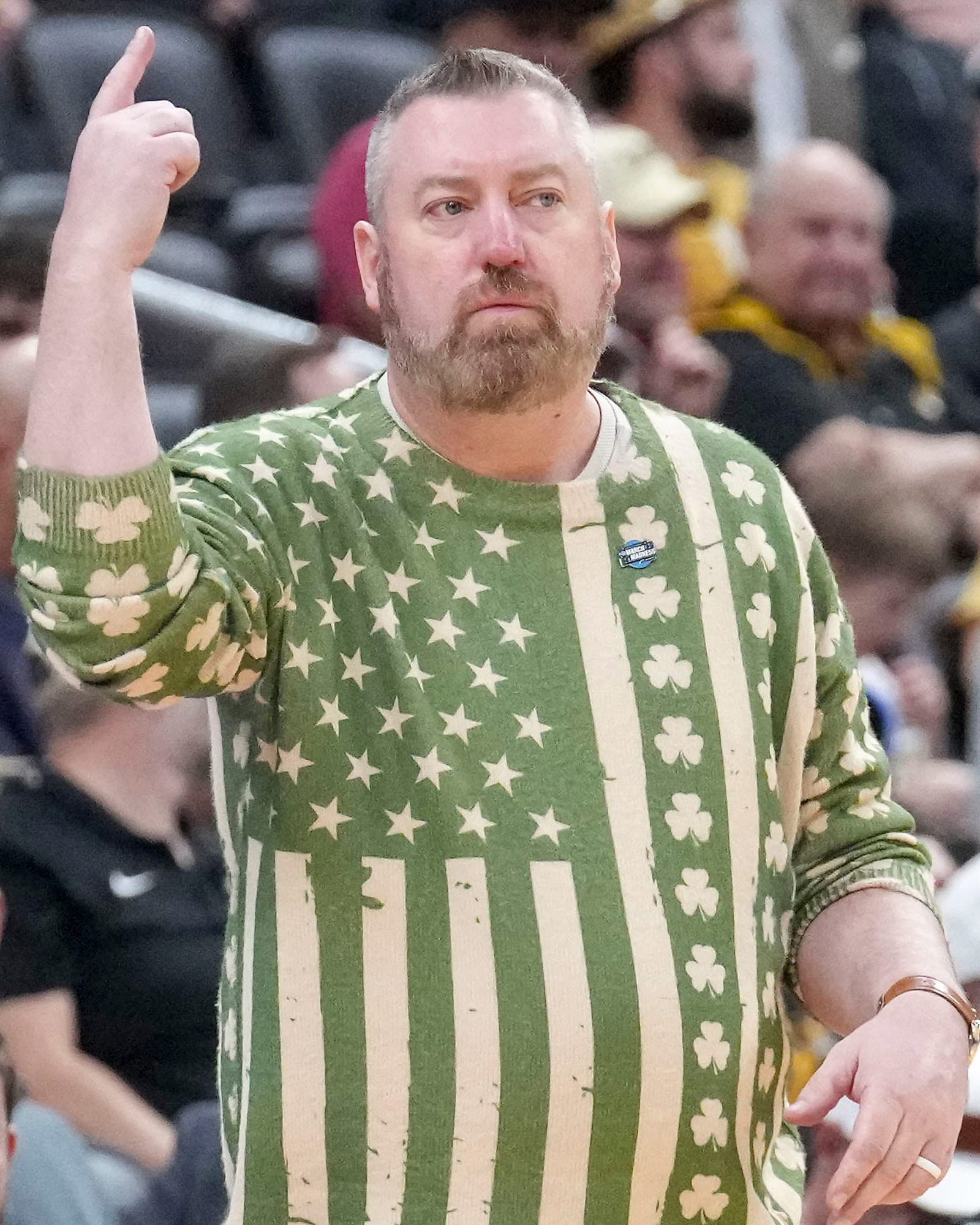
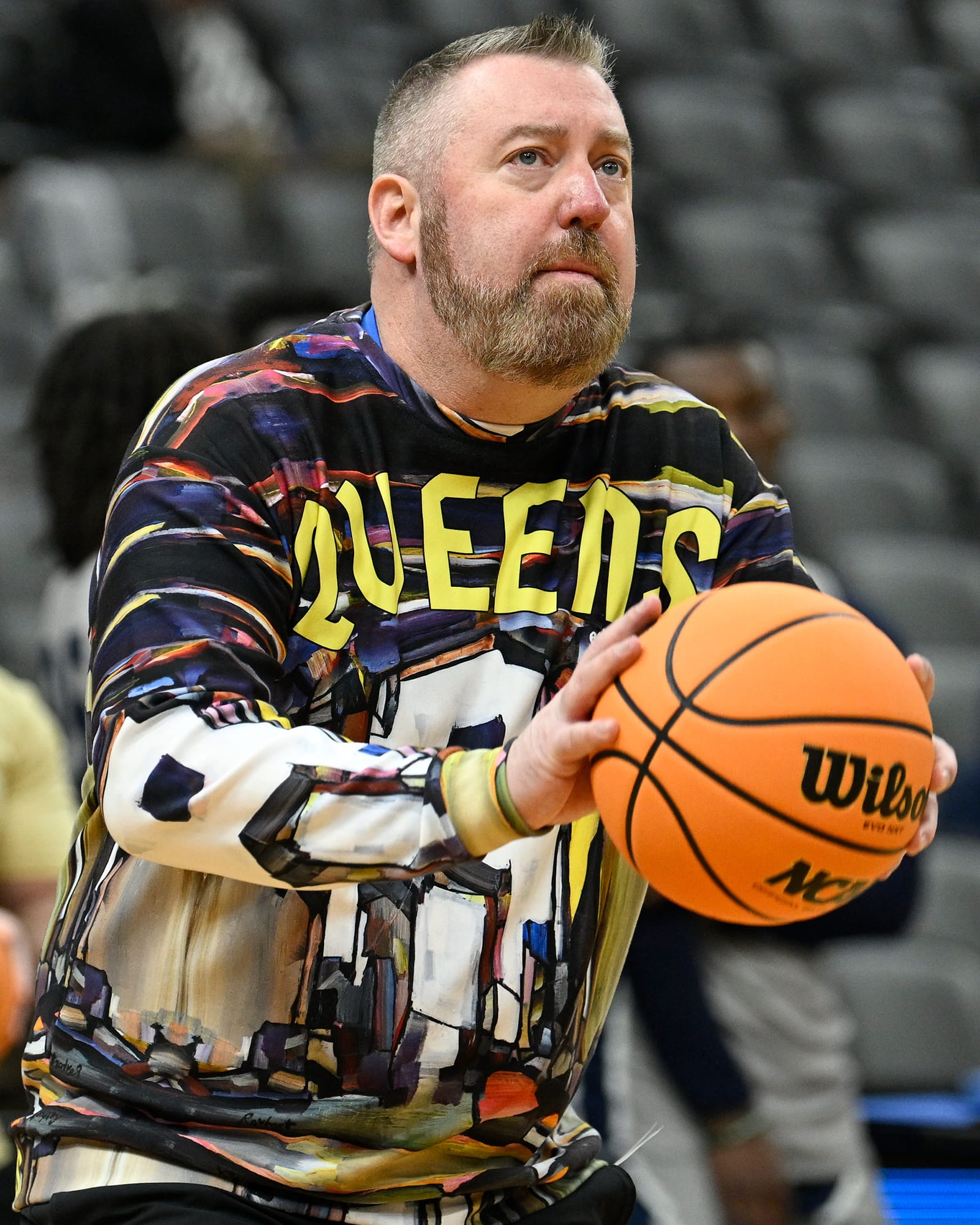
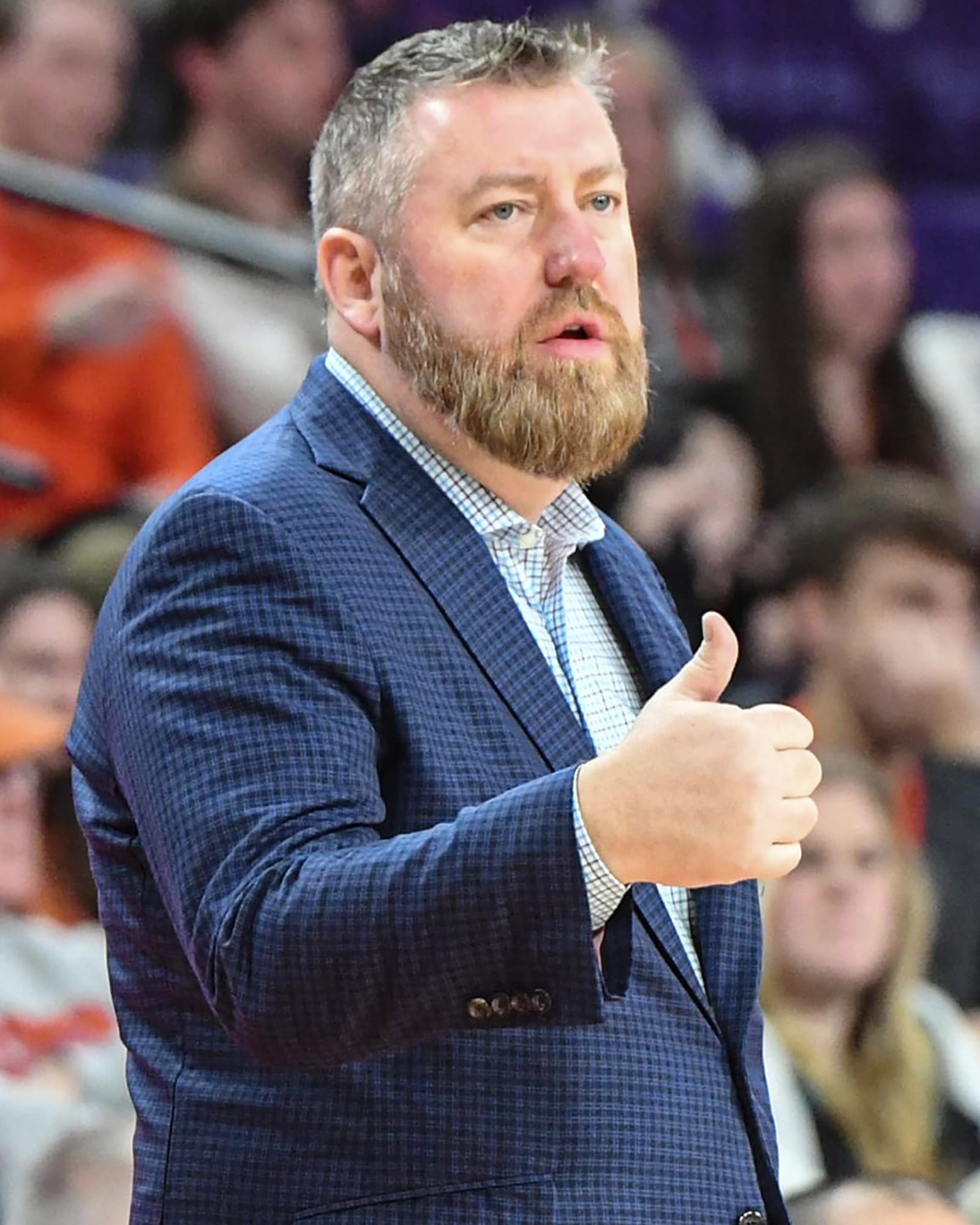
No coach takes their attire less serious than Queens University's Grant Leonard, who wears themed sweaters depending on occasion. | Photos via Imagn Images
Instead, many believe there’s value in meeting their players where they are. The more they dress akin to the athlete, the easier it’ll be for them to interact and build trust, which has never been more crucial than convincing millionaires to buy into a greater purpose. “I want them to feel like we’re all the same,” Byington said. “We’ve got one goal, and I’m not a boss. I want to work with them.”
Admittedly, Ferber believes his original study is a touch outdated with the past decade’s occurrences, especially in college athletics: “These kids need to trust you, and if you don’t have that, you have nothing,” he said. “I can see the argument for going casual.”
However, the methodology of credit generation remains debatable. Mallette’s quest to avoid infidelity? All because he said he “would die” for his suit-wearing coach. “You don’t cheat on someone like that, you know?” he added.
Mallette was still trying to determine his outfit of choice. And in the grander image of society, attire has never been more fit to the wearer than a societal standard. When one doesn’t pursue what makes them comfortable, it can steal their focus. The goal, Kenger said, is to find something that fits the formality of the occasion but still makes you feel like you.
“I definitely have,” Byington said, just ahead of the SEC Championship. “And I think it’s working OK.”

The actual numbers behind this pretend science say that it is, well, pretend. In fact, none of this matters.
Since 2019, NCAA Tournament games that pitted a suit coach and a quarter zip coach are split dead even. A cool 75% of the national champions in the period were coached by suits, but that’s skewed by UConn's Dan Hurley. In the eyes of the wearers, there’s no reason to think their choice hurts, whatever it may be.
“Winning is winning,” Mallette said. “You don’t win because of the suit. You win because of the team.”
But his ruling when departing Tampa?
“I’ll be a suit guy,” he said, proof that even with the college basketball’s influx of youth, the tailored coach may never disappear. It just depends on the wearer, and there will always be guys who “wanna stay fly.” Taste — the avenue en route to flyness — just differs.
And, for whatever it's worth, tournament coaches wearing only T-shirts have never lost. Former Oklahoma State head coach Mike Boynton – whose Cowboys beat Liberty in the first round in 2021 while he was in a simple black T – knows what's up.
“That’s crazy,” Calipari said with a laugh. “Those guys can kick rocks.”
Which is probably easier without the loafers.