Capture the Flag
Earlier this year, Nebraska announced it would sponsor a varsity women's flag football team, becoming the first Power Four school to do so. Most others, like Florida, have clubs teams itching to make the jump. They believe their time is now.
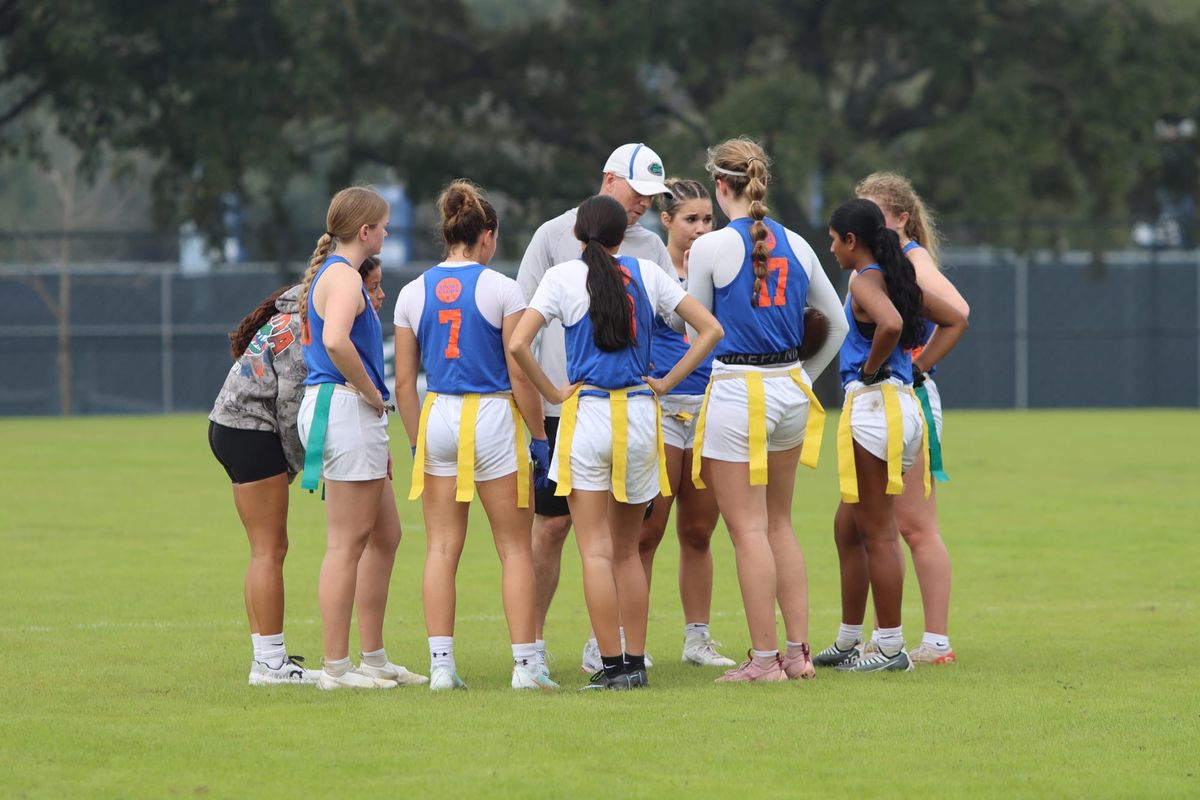
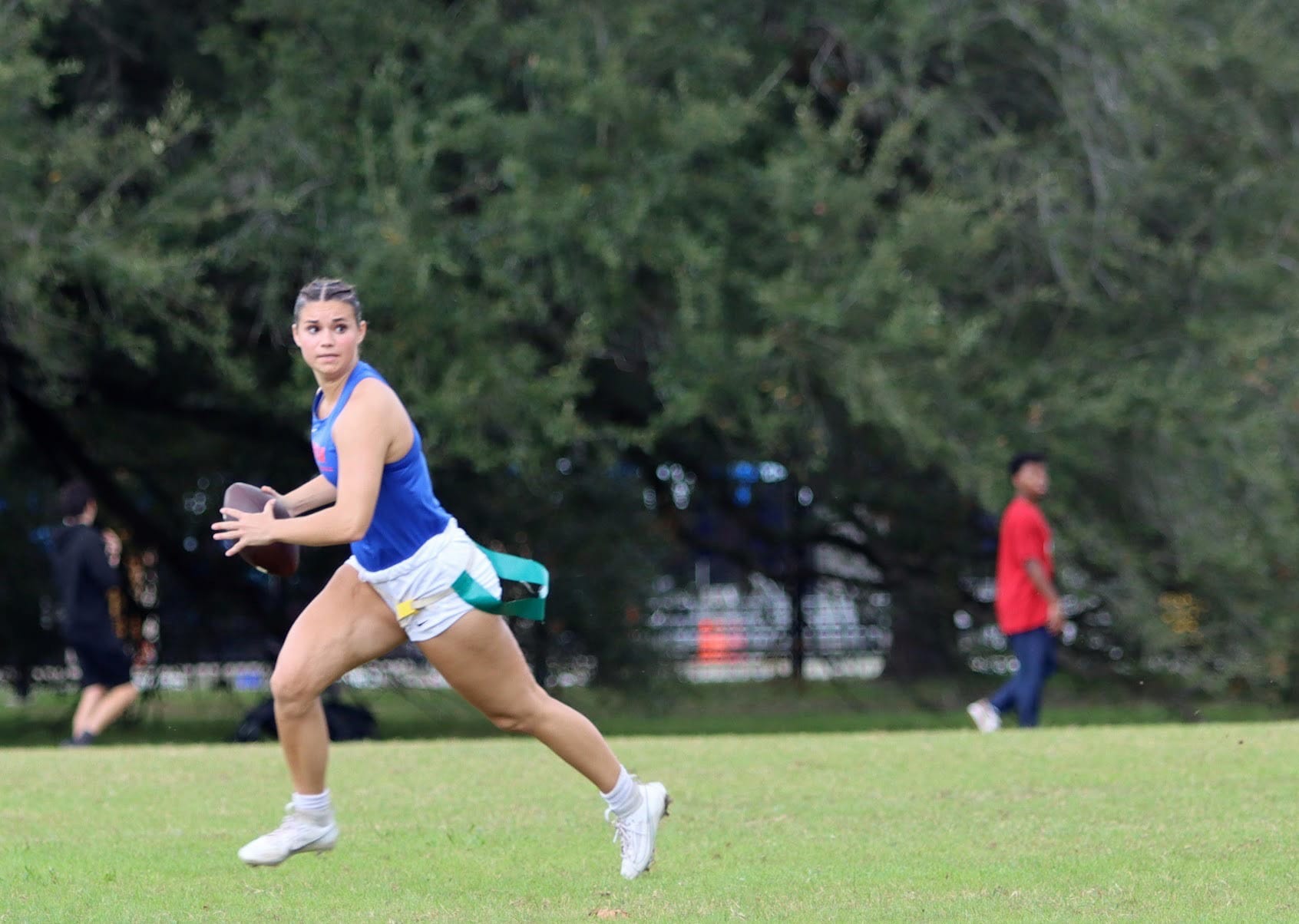
Mieke Rowe has been a flag football player since middle school, but she’s been a University of Florida fan forever. Her mom attended the school, driving her desire to take her talents to campus.
Now, Rowe’s the quarterback and club president of one of UF’s most decorated teams.
The success-driven flag football team “was such a big addition” once she arrived in Gainesville, and the junior health education and behavioral major has advocated for flag to become a varsity-level sport at UF.
The logistics of the team differ greatly from those of a varsity collegiate sport, but Rowe and the rest of the club officers work closely to build the success of the team in various aspects. Whether it’s configuring practices or scheduling tournaments, Rowe makes do with the opportunity on a player-run team.
The University of Nebraska announced Jan. 16 that the sport will be recognized at the highest level. It’s the first Power Four Conference school to add flag football as a varsity women’s sport. While competition doesn’t kick off until the spring of 2028, the sport’s movement is momentous.
This weekend, eight collegiate programs will also be flying (or driving) out west to compete in the first-ever National Collegiate Flag Football Classic in Tempe, Arizona.
Roughly 138 high schools in Arizona have a flag football team and more continue to be added as the 2026-27 school year is on the horizon. There were 913 schools nationally in the 2022-23 school year that sponsored a flag football team, according to the National Federation of State High School Associations.
While it is heavily important for the sport to be recognized at a national level, whether through the National Football League’s initiatives or in the Olympics, the movement must start from the ground up.
“The access and the ability to take the sport and reach the highest international level that you possibly can is super exciting,” said Josh Saunders, the coach of UF’s flag football team. “The people at USA Football have been pushing for this for a long time, way before flag football became cool, on the national level anyway. So it was awesome to see that hard work come to fruition and now all the teams across USA Football are all just pushing to try to achieve that gold medal.”
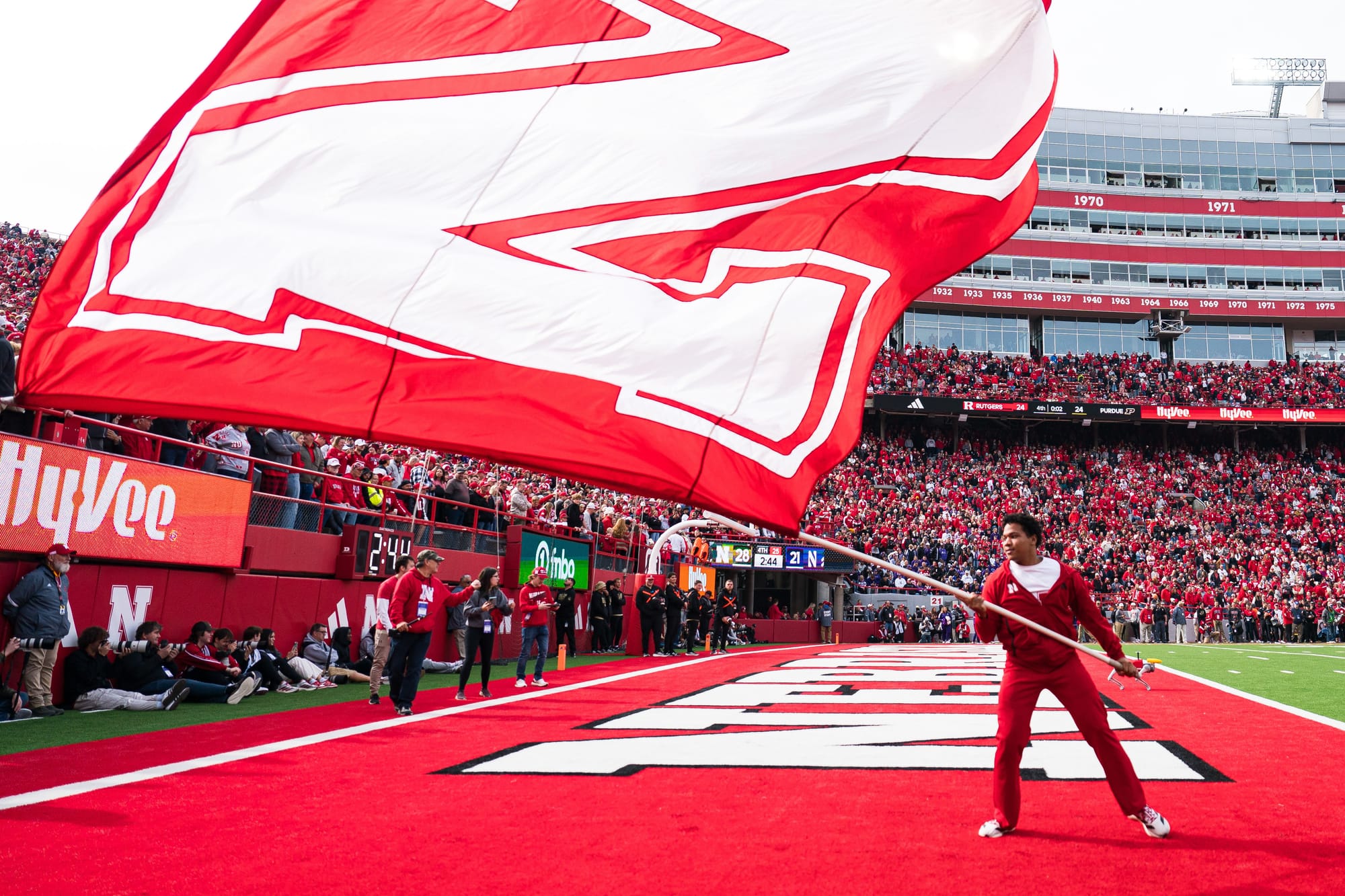
“This is a banner day for Nebraska Athletics and for women’s sports,” Nebraska Director of Athletics Troy Dannen said in the school’s press release. “In a time of uncertainty and change in college athletics, creating new participation opportunities continues Nebraska’s rich history of elevating women’s athletics.”
However, Florida and other Division I programs have not followed suit. While not named a varsity sport — yet — flag football has been a cornerstone of Florida’s athletics, all the while maintaining the “club” title. Despite the lack of traction and its lesser-known stature, Gators flag football won the national championship seven times in the last decade.
“The amount of time we put into just the club team itself, we should be getting recognized at that level,” Rowe said. “The athletic department should at least think about adding it, especially because we don’t need that much money to put in for their program. We have flags, we have footballs, we just need a place to practice. So there’s not much to add, which is a little frustrating.”
The Gators club team officially started in 2015-16 via a Robinson High School alumnus. Amanda Chromiak wanted to start a team in her freshman year at UF, but had a lack of success at the time.
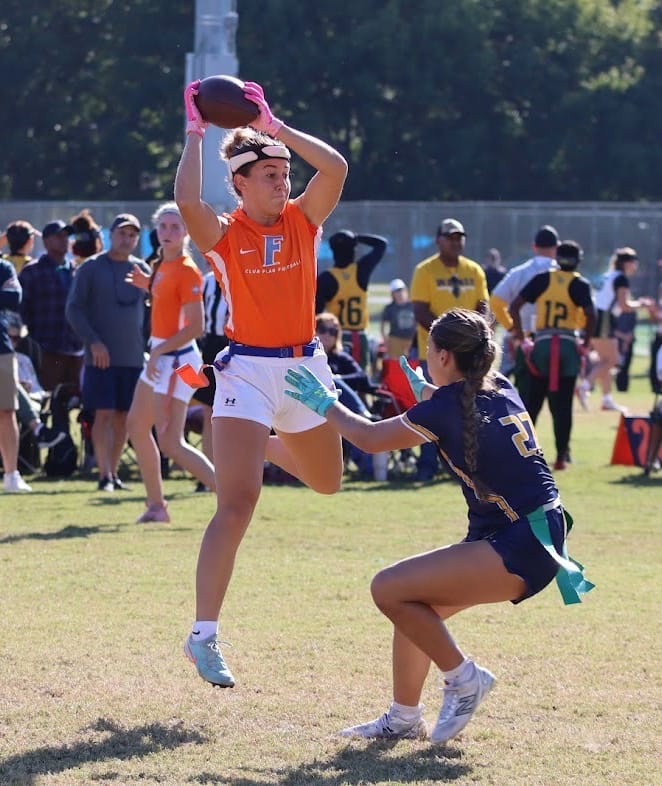
“It, truthfully, was just something that I wanted people to have fun, want to come back to the team and even just see people who had maybe never played flag football a lot have the opportunity to play,” Chromiak said. “The first season was just a random collection of people that we were making our way on our own.”
The roster had a handful of girls but no coach and was barely organized from the jump. The main aspect that stood out from the early roster was that a large percentage sported the Knights’ history. In 2017, five students graduated from Robinson High School in Tampa and took their talents to Gainesville, making six former Knights on the Gators’ roster.
Chromiak called her former Robinson coach that year, Saunders, to coach in 2018. Among the roughly 10 players on Florida’s roster under Saunders, five to six were from Chromiak’s old stomping grounds.
“Once I started getting some previous Robinson High School graduates, that’s when things really took off and had some legitimacy,” Chromiak said. “Because at first I was just like, well, let’s just get enough people out there to have seven on the field to be able to play. And then after that first year, it actually became a thing.”
While he quickly became a seven-time national title-winning coach, Saunders had already generated similar success elsewhere, albeit at a slightly lower level.
Saunders began teaching at Robinson High School in 2002 — “173 years ago,” he joked. When he is not teaching calculus or pre-calculus to students, he can be found on the Knights’ football field.
Robinson, similarly to Florida, has seen immense success at a high level. The Knights have earned 10 Division 1A State Championships since 2014, winning all but the 2015 title. Flag football was welcomed to Hillsborough County in 2006 and Saunders picked up the reins almost immediately. He was the Knights’ assistant coach for one season before leading the charge as head coach in the team’s second year.
While Robinson saw minimal triumphs when the sport first hit the county, Saunders said the wins started to stack up when the time was right.
“Everyone wants immediate success all the time. The first six years that we did stuff at Robinson, from 2006 to 2011, we didn’t win a district championship, we were a .500 team. We were just okay,” he said. “I was coaching basketball, coaching tackle football and flag all at the school. I started giving all of those other things up and just focusing on this flag football thing and we just started working on our process.”
That “process” Saunders talked about is part of what makes Florida flag football so special.

The National Intramural and Recreational Sports Association (NIRSA) season spans from Fall to the national championship in January. So while the Florida men’s basketball team draws thousands of students to the O’Connell Center, the Gators' flag football roster has its sights fixed on bringing another title back to Gainesville each year.
Florida has won every NIRSA national championship since Saunders arrived, except for 2022, when it lost to UCF in the finals.
When he isn’t coaching the Knights or the Gators, he is coaching with USA Football. Saunders is entering his second season as the U.S. Junior Flag Football National Team 17U head coach. Saunders also referees for Division II, Division III and NAIA women’s basketball in his not-so-spare time.
With the surplus of responsibilities and jobs on his plate, he’s “hardly” at any of Florida’s flag football games. The Robinson season is in full swing around the same time as the Gators and works with the U.S. Nationals team beginning in February. Yet since Florida flag football is a club sport, Saunders doesn’t have to worry about his team slowing down without him. Collegiate club teams are primarily player-driven, paving the way for UF students to lead the charge.
While Saunders will be with the elite athletes of the Junior National team, the Gators will be competing for yet another title — this time across the country and with even greater stakes.
Complimentary flights, media days, player-only lounges and custom merchandise.
These perks, plus a handful of others, make up the experience at the Fiesta Bowl. No, not the 2026 Fiesta Bowl, which hosted a College Football Playoff semifinal between Miami and Ole Miss. Instead, it’s what makes up the history-inducing tournament.

The Fiesta Sports Foundation invited various teams from around the country to be enriched in the all-emersive flag football competition. Florida and UCF complete the Sunshine State duo, while Georgia, Charlotte and Alabama State join them on the East Coast. Grand Canyon and Arizona State will make the quicker trip and remain in-state, while USC represents the West Coast.
“We know that there are some national tournaments out there and competitions out there, but we, being the Fiesta Sports Foundation, are entrenched in FBS football and D-I,” said Scott Leightman, the vice president of communications and industry relations. “So we wanted to bring the light at this level, even before it becomes fully sanctioned at the NCAA level. We want to be the innovators, which is part of our history, we’re known as the ‘bowl of firsts,’ so this is another ‘first’ to bring the first national competition together for D-I schools.”
The tournament has been nearly two years in the making, but was slotted to the spring of 2026 to ensure “everything was done right.” The Fiesta Sports Foundation had already been involved in promoting flag football through girls' youth camps and the 2024 Fiesta Bowl Flag Football Showdown. Now, it made history by creating the first flag tournament surrounding DI schools.
Bret Scroggins, the Fiesta Sports Foundation director of football engagement, was promoted to his position in August 2025, roughly a year into the tournament’s birth. “Within days to weeks of starting, it was apparent that we should get involved on the flag football side,” he said.
After organizing a youth flag football clinic, Scroggins spoke with Sierra Smith, a student at ASU who organized the Sun Devils club team. He said that he began doing research and learning more about what Florida and other programs have already established immediately after the conversation.
“If you talk to a lot of high school athletes in general, a lot of them are switching from softball, basketball, volleyball and starting to play flag football,” Scroggins said. “We’ve seen the values for the last three-plus years of being involved in this space. As Erik [Moses], our CEO, says, ‘Football should be our people.’ This is just another group of people that it’s a new sport for them. It’s brand new and it’s taking them by storm.”
Flag football will also be represented on the world stage at the 2028 Olympic Games in Los Angeles. Nebraska’s inaugural season will align with the Olympics, which seemed to be a key point in the Huskers’ plans. They outlined that the sport will take place during the spring season and a coach and roster search has begun.
Other D-I schools have taken strides in the flag football space, with about 40 NCAA schools with teams. But Nebraska, being a marquee program within the Big Ten, adds the “big-name” factor to the mix.
“Power Four schools being on board would change what that vibe looks like for flag football players around the country because it gives you that opportunity to have that big-school experience,” Saunders said. “When you go to lay your head on the pillow at night, and you’re 12 years old, you say ‘I want to be a University of Florida student,’ and you get to be a flag football player at a really high level at a great institution, I think that would change quite a bit.”
UF hasn't seemingly made advancements in promoting flag football to a varsity sport, despite the club team’s continuous success. "We are always evaluating our intercollegiate sports offerings within the Florida Athletic program," a UAA spokesperson said, though no action seems imminent.
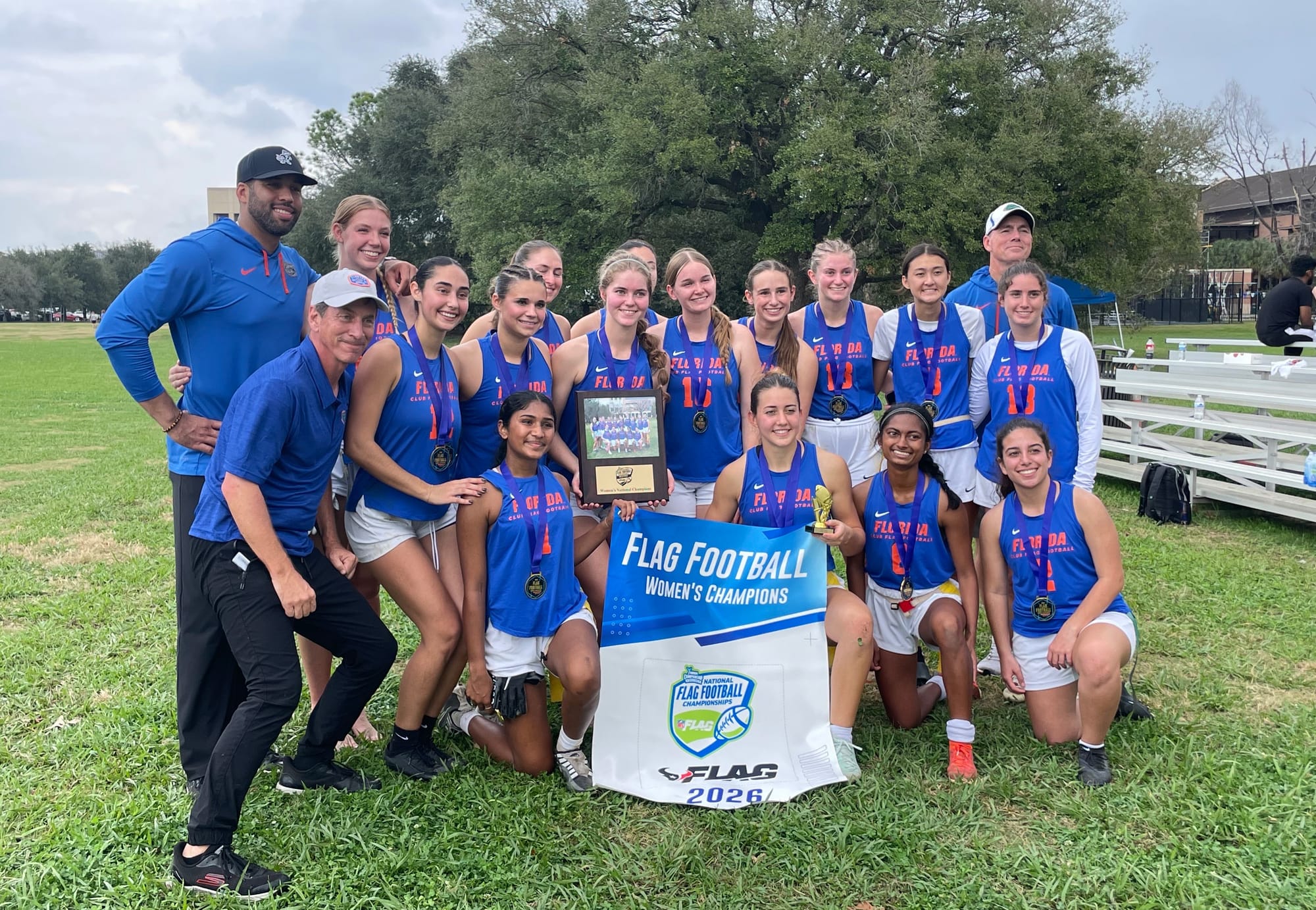
“I get asked four times a week since Nebraska has come out with it, ‘What’s Florida going to do?’ And I tell them, ‘I’m pretty sure Florida doesn’t know who I am,’” Saunders joked. “Scott Stricklin does not know who I am and I am 100% certain about that.”
While Saunders may not be the first person Stricklin has in mind when pondering Florida’s athletic landscape, the longtime coach has certainly changed Florida’s club sports landscape for the better.
Nebraska made it clear that flag football students will receive “student-athlete support services” and will have 15 scholarships available for the 2026-27 year, with that number increasing in increments of five for the next two years.
“If the University of Florida did it, they’d have an opportunity to be the best program in the country, hands down,” Saunders said. “If any team in Florida decides that this is going to be a thing for them — the talent that is in the state, the ability to tap in-state tuition and then supplement that some with a potential scholarship opportunity … [they] would have a huge advantage over a lot of people.”

Like Florida, most of the teams competing in the Flag Football Classic have squared off against familiar foes. The Gators have seen UCF and Georgia multiple times every year – a product of proximity and availability.
The tournament strives to bring teams together from across the country. The six different states represented will provide new territory for the programs and will help pave the way for future tournaments.
The teams will face off at Arizona State’s Dorsey Field for 12 pool-play games. The site will include a player village that’ll serve food and allow for rejuvenation breaks for the players who aren’t on the field. April 19 features the single elimination tournament and the championship game at ASU’s Sun Devil Soccer Stadium. If Florida emerges victorious, it’ll add another victory to its already impressive history.
“Florida was one that stuck out for us as a team with all of those NIRSA championships in a row,” Leightman said. “The name ‘Florida Gators’ definitely catches eyeballs. It was a nice two-for-one there with the Gators, a quality team that will also draw to say, ‘Hey, this is a really national caliber tournament.’”
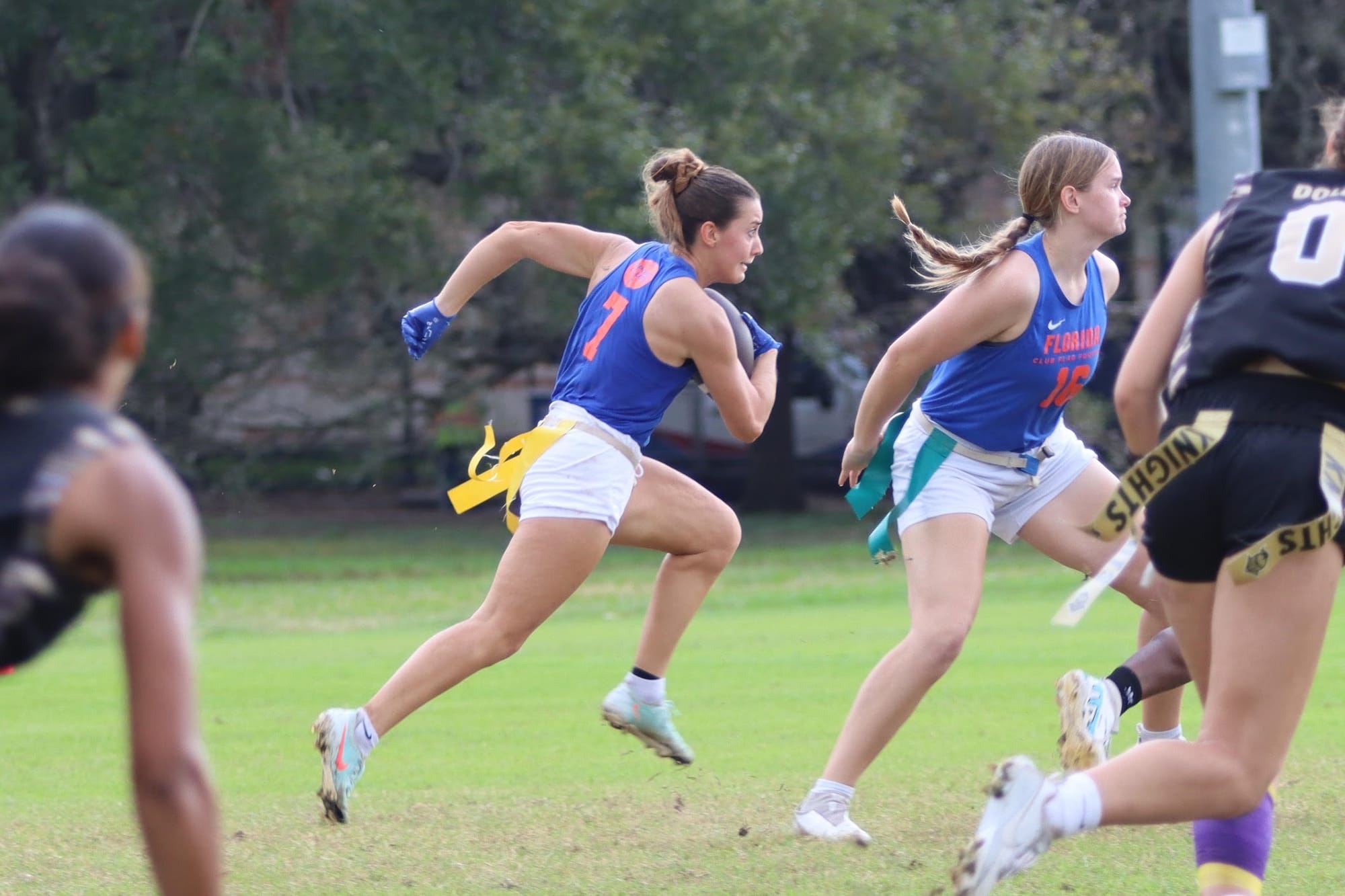
It’s easy to say that the Flag Football Classic will draw eyes and generate traction, but how that will be translated to the future is a massive part of the sport’s growth. The tournament, coupled with the 2028 Olympic Games, NFL FLAG initiatives and high school sanctions, will all meld to expanding flag football. “The appetite for national-level women’s college flag football is there,” Leightman said.
The championship game will be broadcasted live on ESPNU and the entirety of the Classic will be streamed on the Fiesta Bowl website for fans and families who are unable to make the trip to Arizona. With over 60% of the competing programs residing nearly 2,000 miles away, it’s difficult to bring in the largest supporters. For those who want to attend the tournament, tickets are free to claim.
Scroggins said the Fiesta Sports Foundation team has large plans for next year’s tournament and that schools have already made the call to tell him they’re interested.
Regardless of which crew emerges victorious on April 19, the Flag Football Classic is working toward a larger goal: expanding and shining the brightest light on the sport.
For the students competing, the Fiesta Sports Foundation has taken care of everything from food to specialized recovery ice tubs to time-sensitive flights. The latter had to be accounted for because the athletes are still, in fact, students. The Classic is a major national tournament, but class comes first.
“One of the players on Florida is flying out late because she has a test on Friday,” Scroggins said. “So we’re not talking about varsity-level athletes. They’re students first. We made sure it was over a weekend, making sure that the players are missing the least amount of classes possible because we don’t want any player to be included or excluded based on dates.”
Upon shuffling into an arranged shuttle from the airport to the team hotel, players will be treated to a player lounge stocked with video and arcade games, photo stations and snacks. The eight competing programs will undergo a media day – everything 20-something year-old athletes dream about. In January, Miami’s Carson Beck and Rueben Bain Jr., plus the rest of the Hurricanes’ band, received the same type of treatment the Gators club flag football team will have.
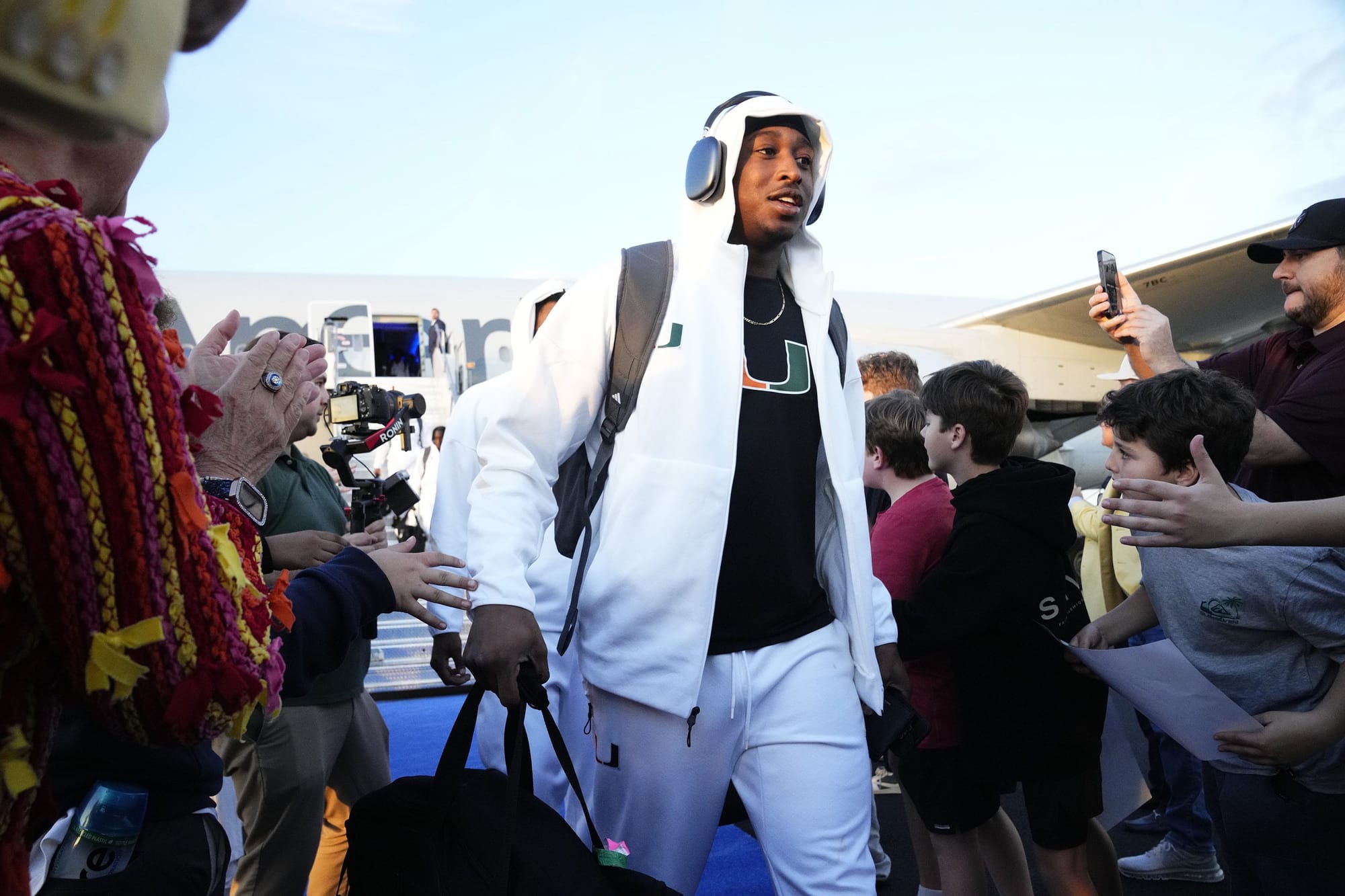
“We want the best teams out here participating and it goes back to our bowl games,” Scroggins said. “If the Florida Gators are coming out, we want to make sure that they get this bowl-level experience. So any team that’s participating, we want to make sure it’s the same experience across the board of excellent hospitality and having an overall great experience out here.”
The first day of the weekend trip will conclude with a team dinner, similar to that of the Fiesta Bowl. But instead of separating the competing teams, they’ll be dining together with one another.
“We felt really strongly that we need to bring these teams together and really showcase the magnitude of this sport and these teams coming together pretty much for the first time,” Scroggins said. “It's just a nice dinner to kick off the weekend by thanking them for all their hard work and organizing these club teams and varsity teams, and putting the teams together and allowing us to have a tournament like this.”
The tournament and the possible sanctioning of flag football will pave the way for Rowe and future players to embark on the sport’s growth.
“It’s crazy to think because at the age I started, there weren’t many opportunities. It was just in schools, and there weren’t even many schools, but now these girls are able to play club flag on top of schools, and now they have the opportunity to go to the Olympics. It’s so incredible to see how much the sport itself has grown.”