Florida, Hockey State
Getting to the NHL is no easy task, but for players from Florida, it was a path only recently carved. Through a network of retired professional hockey players-turned-coaches, Florida pipelines are catching up to traditional markets.
A youth hockey team from Florida trotted into a tournament in Toronto wearing highlighter orange jerseys that repped Zoom Tan. A tanning salon.
If being a team from Florida wasn’t enough of an anomaly, the near reflective jerseys certainly didn’t help. “It looked like we walked out of a jungle,” said Seamus Casey, a current defensive prospect for the New Jersey Devils.
People thought the kids looked ridiculous. Not to mention that the parents were a little insane. Who in their right mind brings a group of 8-year-olds from Florida, the “Sunshine State,” into the hockey capital of the world for a high-level competition? Even the players’ own parents and coaches, Casey said, expected them to get “steamrolled.”
But to everyone’s surprise, they didn’t.
The team didn’t just keep it competitive – it won the whole tournament.
The moment was eye-opening. The parents and coaches in attendance realized Florida players could, in fact, keep up with those in traditional markets, and in some cases, even beat them.
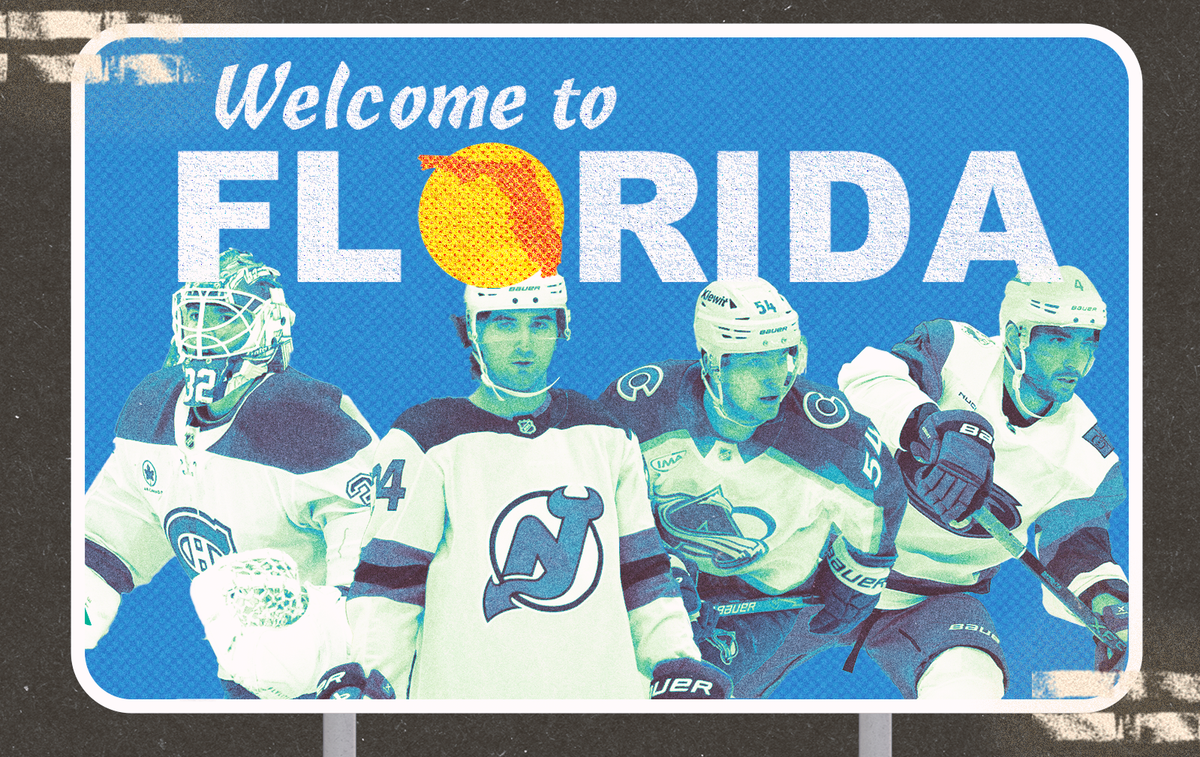
Two other future NHLers played alongside Casey in that tournament: Gavin Brindley, a Colorado Avalanche forward, and Jacob Fowler, a Montreal Canadiens goalie. The trio is just the latest wave within the 21 NHL players to ever be born in Florida. Of the 21, 11 are active, having played a regular-season game during the 2025-26 season. Seven were raised in the state.
Yet NHL-caliber players coming from Florida pipelines have not always been the norm.
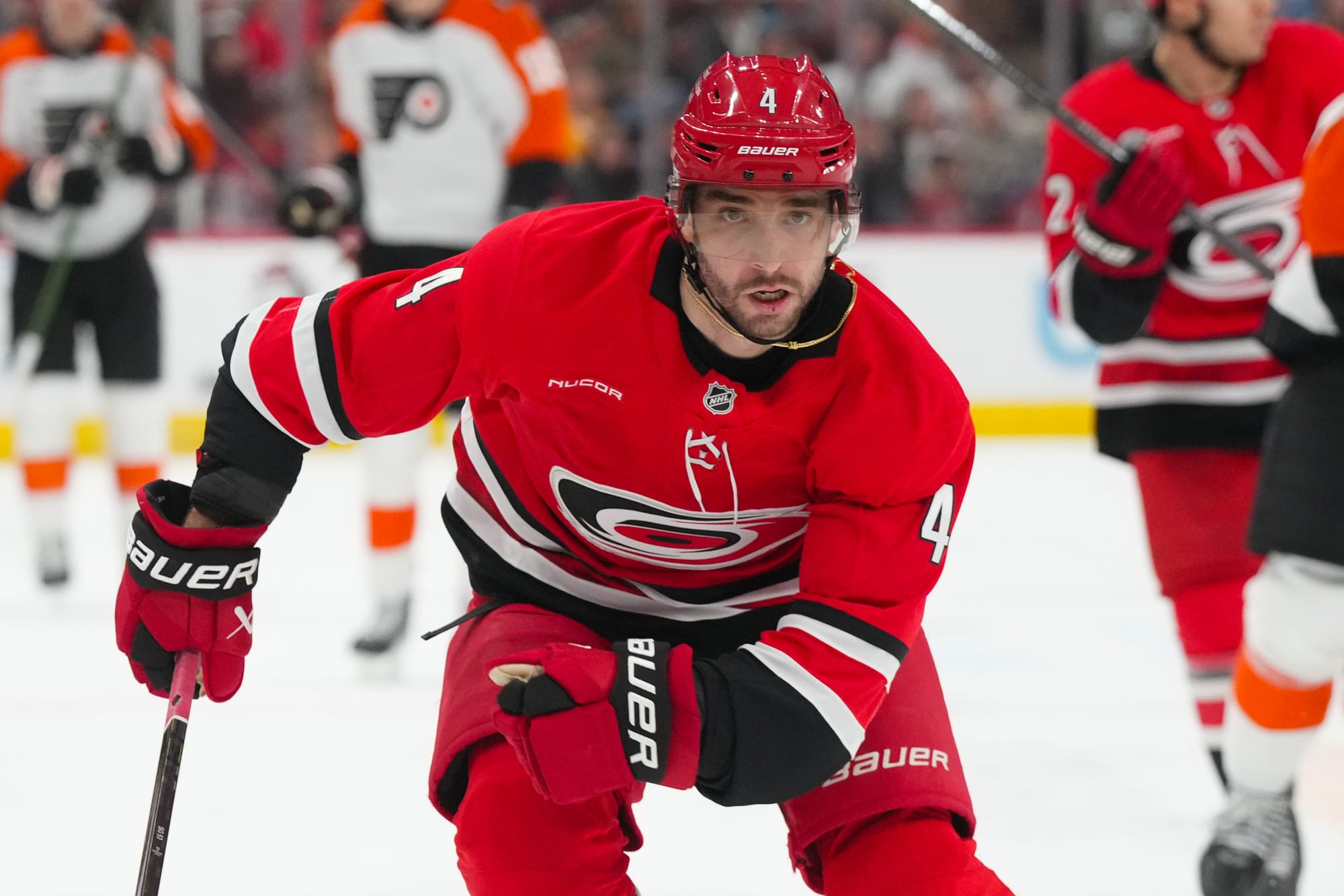
In 2014, Shayne Gostisbehere made history by becoming the first NHL player born and raised in South Florida when he debuted for the Philadelphia Flyers on Oct. 25. Two years later, Jakob Chychrun became the highest drafted Florida-born-and-raised player when selected 16th overall by the Arizona Coyotes in 2016. Four months ago, Jacob Fowler made his NHL debut for the Montreal Canadiens, becoming the first Florida-born goalie to appear in a game.
The increase may come from what players are seeing on the ice.
In 2022, the Panthers snapped their near 26-year-playoff series win drought, the longest in NHL history, with a series win against the Washington Capitals. While the team fell to the Tampa Bay Lightning in the second, who went on to win the Cup, the Panthers made three consecutive Finals runs the following year, winning the latter two.
Both the Panthers and Lightning have combined for six consecutive Stanley Cup appearances over the last six years, during which each team notched back-to-back Cup wins, fueling a boom in hockey interest.
As the teams have found success, more Floridians are exposed to sport. Over the past decade, USA Hockey reported a 73% uptick in youth hockey participation across Florida.
Before then, Florida youth travel teams were composed of players strung together from across the state and occasionally turned heads when they dominated, as Casey and Co. did.
Ryan Brindley, Gavin’s dad, coached Gavin, Casey and Fowler on the Florida Alliance, a Tier I hockey team. The older Brindley, a retired pro player from Thunder Bay, Ontario, remembers that the team was No. 1 in the country and didn’t lose a game for a few years, which influenced the players who followed. “It inspired a lot of age groups behind them to have a lot of success,” Brindley said.
His team wasn’t the only Florida quad to find success against traditional-market opponents. Jeff Chychrun, a retired NHL player and Jakob’s dad, coached his son’s youth team, the Florida Junior Panthers, which he said remained competitive with northern counterparts despite lacking depth. He often told his players that an indoor hockey rink is 200 feet by 85 feet. He wanted his team to understand the game is played inside a defined arena. Same rink. Same dimensions. Same experience for everyone. It’s a reminder to be confident in the face of disrespect.
“‘Why don't you go back and go to the beach and relax under your palm trees?’”
A Toronto youth team chirped such at his Florida group while facing off in a tournament in Boston. When his son and other players complained, Jeff’s response was simple: “They don’t like it because you’re beating them.”
When Jeff retired with 262 NHL games and a Stanley Cup under his belt, he moved to Florida, a pattern many former NHL and other pro players follow. While he acknowledged Florida is a less traditional hockey market, he said the quality of coaches in the state has allowed players to excel.
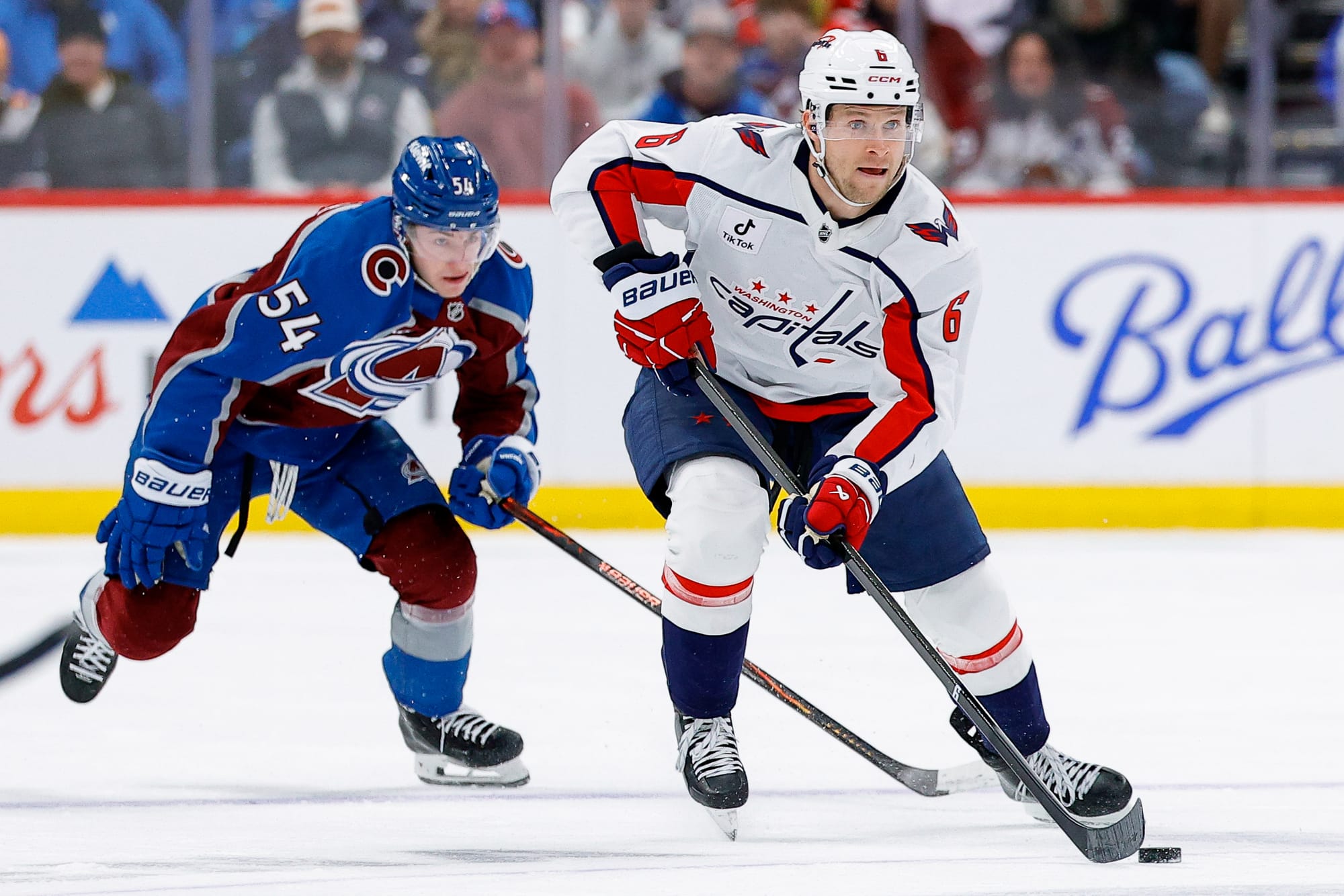
He coached the Florida Junior Panthers team that featured his son and Brandon Duhaime, who both play on the Washington Capitals together, as well as Andrew Peeke, a defenseman for the Boston Bruins.
“I had eight skaters on that team, and three of them are in the National Hockey League today,” Jeff said. “ That speaks volumes.”

Ryan ended his pro career as captain of the Florida Everblades, an ECHL team based in Estero, Florida, where Gavin grew up. The accessibility of the Everblades’ players was a big part of Gavin's journey, even learning how to skate with them. Gavin said being in the locker room with the Everblades players and running around with a stick are some of the keen memories he holds on to from his childhood.
“Being around pro hockey players and being at the rink all the time instills the love in the game even more,” Gavin said. That love is the backbone for any of the players’ journeys. It justified hopping on a plane almost every weekend or moving away from home.
Brodeur, originally from Quebec, grew up in a hockey family and introduced Gostisbehere to the sport and culture. However, the family never had to push the sport onto Shayne.
“If I did tell him, do you want to go get something to eat, or you want to go see this movie?” Brodeur said. “He’d say ‘Nah, I'd like to stay here and play.’”
Similar to Gavin, Fowler’s earliest memories came watching his dad play in a men’s league at Space Coast Ice Plex, where he eventually learned how to skate.
When he was around 8, there was a doctor’s appointment Fowler wanted to skip, but his dad agreed to buy him a set of goalie gear if he went. Needless to say, he was in attendance, and the deal paid off about 13 years later. “I still probably owe him a little bit of money,” Fowler said.
Casey’s dad also grew up playing hockey and took his son to Jermaine Arena, now Hertz Arena, in Estero, where he first started skating.
The plethora of dads, most retired players, involved in the program influenced him to keep going. Having former pro players run the program helped steer players in the right direction and keep children from leaving the sport.
“The dads in the organization kind of really shaped the things from the ground up there,” Casey said.
But while many had quality coaches in South Florida, keeping players there remains difficult. Gostisbehere ultimately moved to Connecticut at 16 to play at South Kent High School, where higher-level hockey was more accessible. Jakob was also forced to move at 15 to compete at a higher level for the Toronto Jr. Canadiens U16 AAA team. Before he left, Jeff said around three times a month, he and Jakob would hop on a flight out of Fort Lauderdale on a Thursday night or Friday morning to Detroit so Jakob could play for the Little Caesars, a Tier I hockey team. After a weekend full of games, they would take an 8 p.m. flight back home, where Jakob caught up on homework, landing around 11 p.m. with school the next day.
Then repeat the next weekend.
“I don't think you can make anybody work that hard both on and off the ice or off the court unless they truly love what they're doing,” Jeff said.
Travel-filled weekends were nothing new for any of the players growing up in Florida, especially Fowler, who lived over three and a half hours away from the rink in Estero where the Florida Triple Alliance practiced. Every Friday, one of his parents, both lawyers, took off work around noon to drive him to practice.
“The older I've got, the more I've realized really how insane the sacrifices they've made for me have been,” Fowler said.
Youth hockey didn’t just bring together the Brindley’s, Casey’s and Fowler’s. Jeff said his family grew close with the Duhamie family. Duhamie's dad, Trevor, coached alongside Jeff, and the boys’ sisters became best friends.
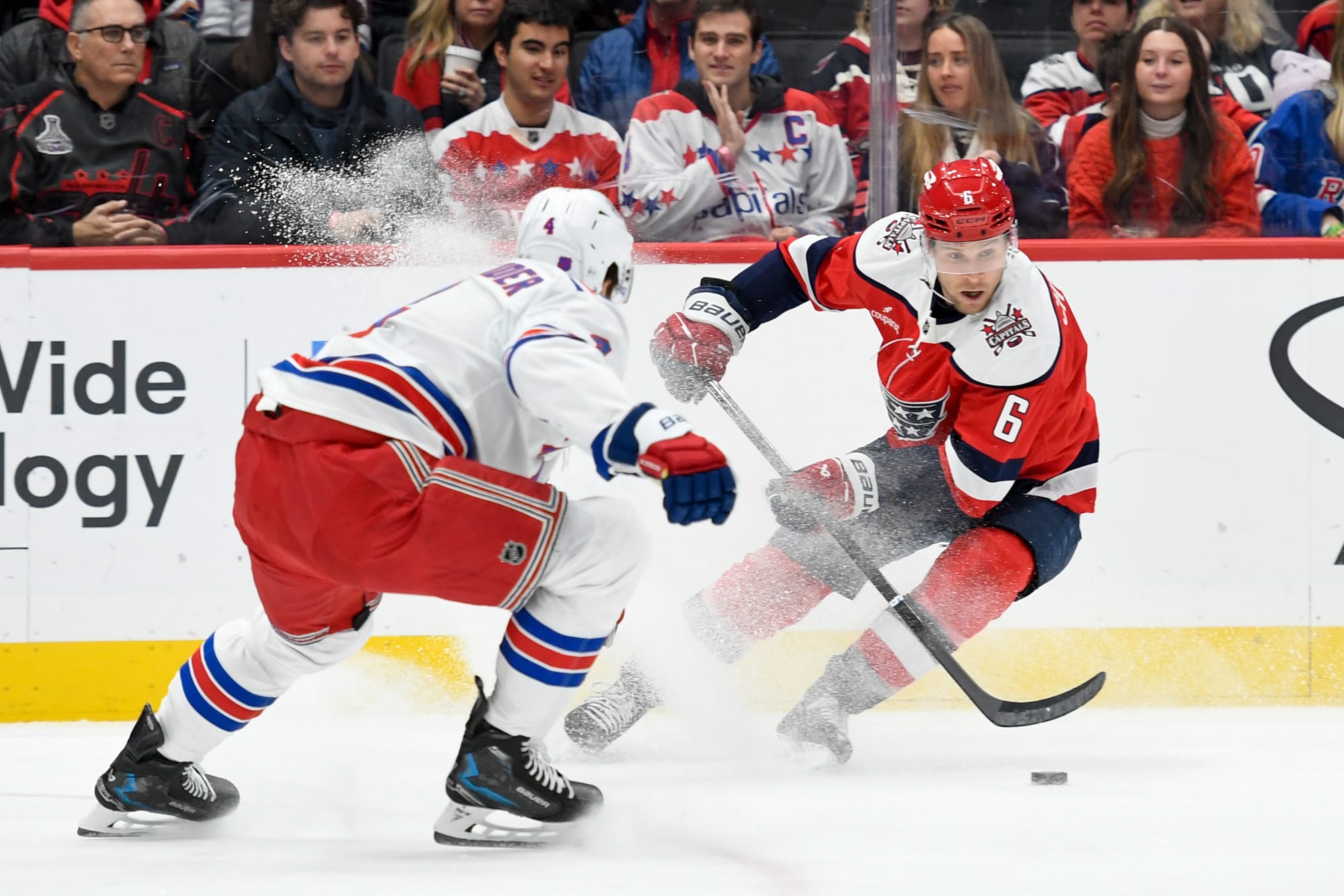
When both Jakob and Brandon signed with Washington in the offseason before the 2024-25 NHL season, Jeff said it was a “homecoming” for both families. Seeing the two out on the ice together, talking strategy at faceoffs, brings Jeff back to when they were little.
“I don’t know who was happier,” Jeff said. “When I see them on the ice today, I remember when they were little, and there were a lot of times they really depended on each other.”
Just like Jakob and Brandon, Casey and Gavin grew up with their dads coaching their youth team together. In turn, since they were 4, Gavin said, they were “tied to the hips.” They lived down the street from each other, and the two quickly became best friends. Any time not spent on the ice was spent playing mini sticks at each other's houses. With both on the same path, they pushed each other to become better. They were competitive like brothers. The pair’s first play date ended with Gavin storming off because Casey scored on him multiple times, and Casey telling his parents: “That didn’t work out.”
“They started freaking out because a 4-year-old took off and they don't know where he is,” Casey said. “They had to run and chase around and find him.”
Casey and Gavin played together every year except when Casey moved to Detroit at 12 for the Compuwire program, a youth hockey development program founded in 1978.
He and his dad agreed it was better for his development to play more games than were available in Florida, one of the pitfalls the state still faces in this realm. Playing in the program also got more eyes on him. The three years with the program, however, were a big culture shift.
Casey said he was shocked by the number of teams available to players in the area. In Florida, he had the same teammates his whole life. But on the Compuwire team, by his third year, only two of his initial teammates remained. “People play musical chairs kind of at the end of every season, running to different teams,” Casey said.
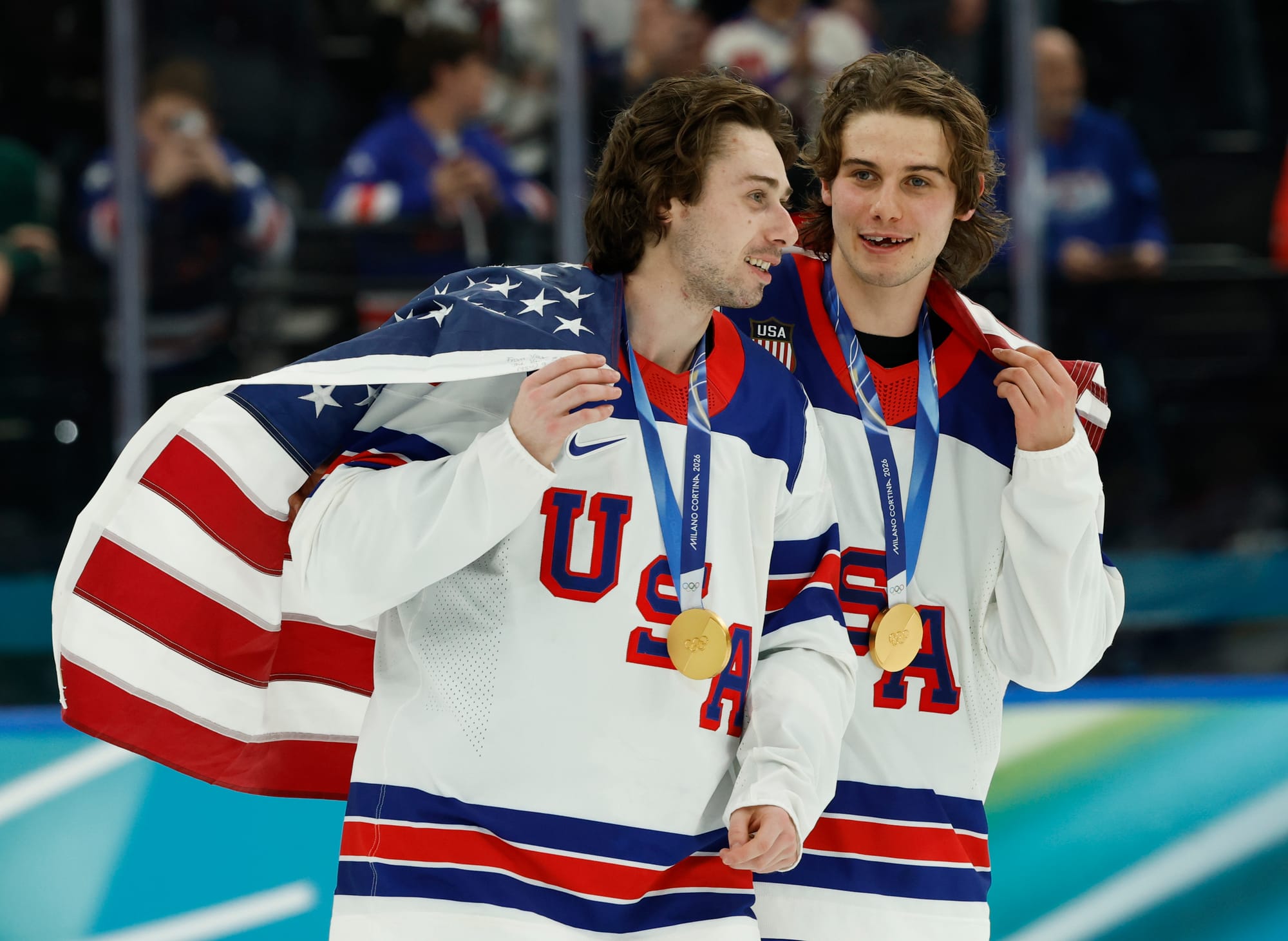
He returned to the Florida Alliance AAA for his final season of youth hockey, but it wasn’t long before he returned to Michigan for college. This time, Gavin came with him, playing alongside another for Michigan from 2022 to 2024.
Gavin made his NHL debut for the Columbus Blue Jackets against the Carolina Hurricanes in 2024. Casey made his NHL debut just six months later for the Devils, but said viewing Gavin’s NHL debut was just as special.
“Watching him play his first game and knowing I was probably going to sign as well was just a lot of emotions,” Casey said, “kind of a little bit of the past flashing before your eyes.”
The competition hit the big ice when they suited up as the Avalanche played the Devils last October. Gavin got his revenge years later for Casey’s play-date malfeasance, defeating the Devils 8-4. Casey wasn’t too happy. “He beat me, so [it] kind of sucked,” Casey said.

Brodeur, Gostisbehere’s grandfather, always reminded him that playing college hockey was a necessary step to reaching the NHL. The defenseman set the goal for the NHL so early that Brodeur often needed to talk about all the in-between steps, because not many scouts made the trip to Florida.
“He would say, ‘Poppy, I can't wait. I want to play in the NHL so bad,” Brodeur said. “I said, ‘Whoa, let's put on the brakes here.’”
Gostishere started at Union College in New York for hockey in the fall of 2011 and was selected by the Flyers in the 2012 NHL Draft. Two years later, Brodeur got to see his grandson’s dream come true when he made his rookie debut against the Red Wings in 2015. “It was just tears,” Brodeur said about the night.
For Jeff, it wasn’t Jakob’s draft night nor debut game that hit him the hardest. Rather, it was Jakob’s return to the same ice where he grew up watching his hometown team play. This time, he was one of the players lacing up his skates. “When I saw him on the ice that a team he grew up watching [played on], that really hit me,” Jeff said.
Jakob, who was with the Arizona Coyotes at the time, played his first game in Sunrise against the Florida Panthers in 2017. Nearly 10 years later, watching Jakob play in his home rink never gets old. Each time he ventures to South Florida, around 60 family and friends pile into Amerant Bank Arena.
Fowler said he never dreamed of being the first goalie from Florida to play in the NHL — he just wanted to make it to the league. But the former came to fruition in Pittsburgh, anyway, when the Canadiens defeated the Penguins, 4-2. Fowler was named the first star of the game with 36 saves. While his debut wasn’t about the result, getting the win in front of his family made the moment even more special. “There's plenty of other goals that I want to reach in my career, but it's nice sometimes when you take a step back and realize some of the accomplishments,” Fowler said.
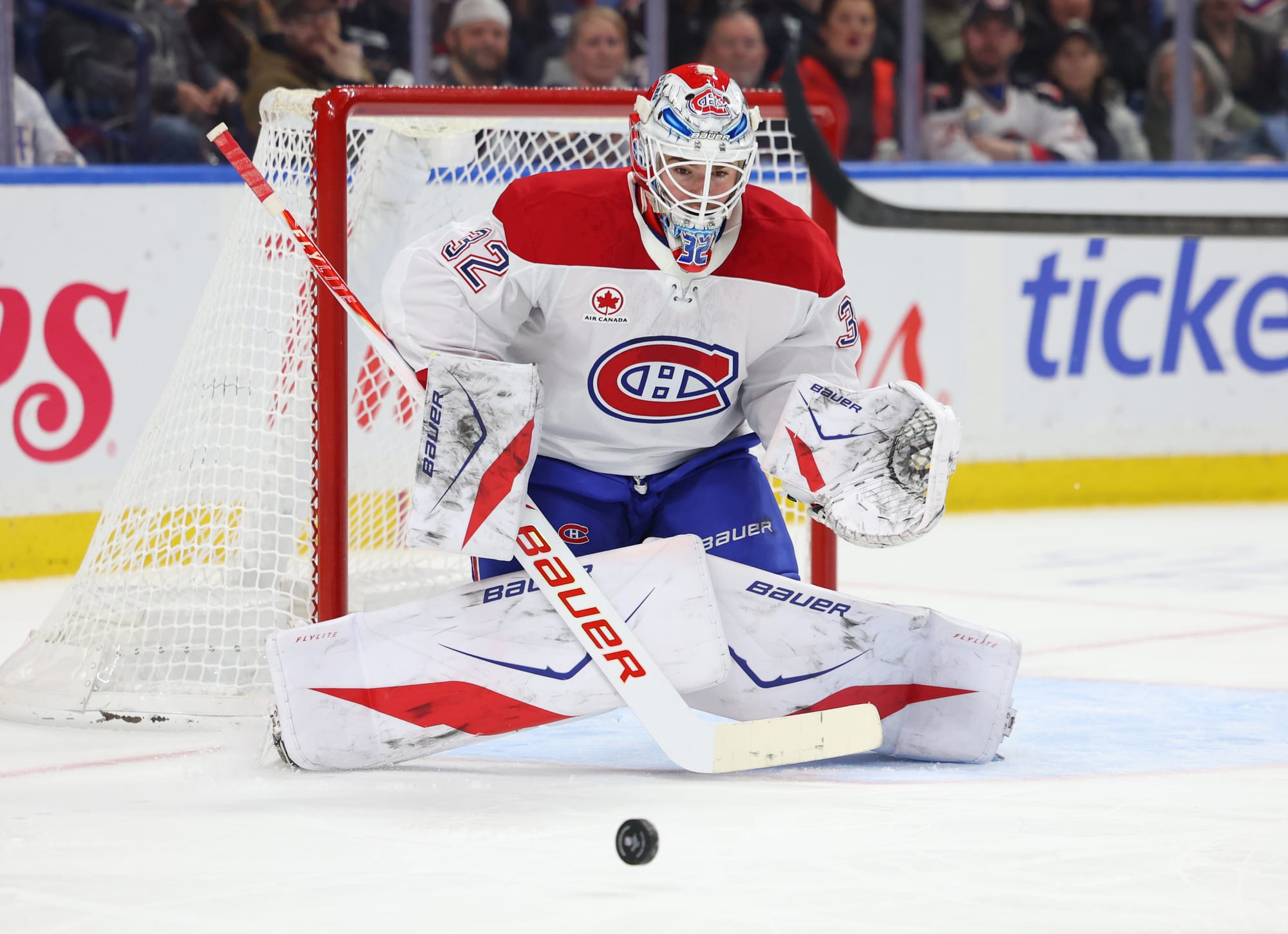
But his impact extends past the ice. He even influenced Gavin’s younger brother, Cole, a 16-year-old goalie drafted by the Youngstown Phantoms, a USHL team, to get into the position.
“Seeing kids that go on and play in the NHL or play high-level hockey, it really motivates and inspires the youth,” Ryan said.
Younger skaters don’t just get to see NHL players from the same state as them or even compete in their old rink, but they also get advice from them. Gavin, Casey and Fowler all give back to the youth hockey community with regularity.
In their eyes, they should be role models for their local community because they know how valuable that can be, especially for the Florida players trying to make it. The influx of talent from the Sunshine State is a contributing factor to the success of the sport today.

Even with the influx of talent, Ryan said there’s still room for improvement in Florida programs if they hope to keep the top kids – who are the hardest to train and develop – in the state longer.
While Gavin and Casey grew up with a local rink, that’s not the case for many in Florida. The state houses only 17 ice rinks, according to Statewide Amateur Hockey of Florida. Those figures pale in comparison to hockey hotbeds like Minnesota, which has more than 17 rinks in the Minneapolis area alone.
The lack of rinks limits the number of youth players and teams, making it harder to find the higher level of competition that Ryan said is imperative for the elite players to push themselves.
So two of the biggest limiting factors for Florida players are travel and expense. Parents can’t just drive their kids to tournaments on the weekends. They have to hop on planes.
Northern states specifically recruiting talent from Florida drives top-level players to leave the state. While the Panthers and Lightning organizations have done work to develop youth hockey programs, Ryan, having coached in Florida for more than 20 years, said higher-level players need more support
“They're the ones that are getting on planes and traveling,” Ryan said. “If you take care of those kids and everybody can see they're able to stay in the state of Florida, everything else will take care of itself.”
Limited ice time and cost are not new problems. The Gostisbehere family got creative with ways to sharpen his skills. His older sister, Felicia, was a figure skater, so Gostisbehere worked on his skating with one of the figure skaters. For several years after turning 7, Gostisbehere stepped on the ice in full hockey equipment minus the stick to work on his edges, making him stand out as a skater.
“That worked out really good for him because when he got himself into the NHL,” Brodeur said. “That was one of his strong suits.”
For Fowler, the limited ice time forced him to play other sports throughout middle and high school: baseball, lacrosse and soccer. No one truly understood the level of hockey he was playing. It was hard for him to explain to coaches that he was on a competitive hockey team from Florida that paid to fly all around the country – and outside the country – just to play some games.
Now, more people are starting to understand the sacrifice those families were making. When Gavin comes back to Estero, the rinks are jam-packed. Ryan noticed the uptick in interest as well, even with the higher-level players. He still coaches for the Florida Alliance and runs the Southeast Elite Hockey Program, which runs a hockey academy out of Hertz Arena. He said each year the academy takes around 35 players who train every day at the rink and do their academics there.
“When we first started, there weren't as many kids, so it continues to grow,” Ryan said. “We're at capacity.”

The sustained success of both the Panthers and Lightning supported the continued surge of interest in the sport. Other pro teams like the Florida Everblades, Jacksonville Icemen and Orlando Solar Bears added to the sport’s growth.
After retiring in 2005, Peter Worrell was offered an opportunity to help coach the Florida Junior Panthers and started coaching at North Broward Preparatory School in 2006. While coaching, he worked with players ranging in skill, including a few that progressed to the NHL. Even the players who didn’t reach the pros were equally as important in shifting the narrative around Florida hockey, he said.
“They had to pave the way for these younger kids, so it's a lot easier for them,” said Worrell, a retired Panthers player and a current brand ambassador.
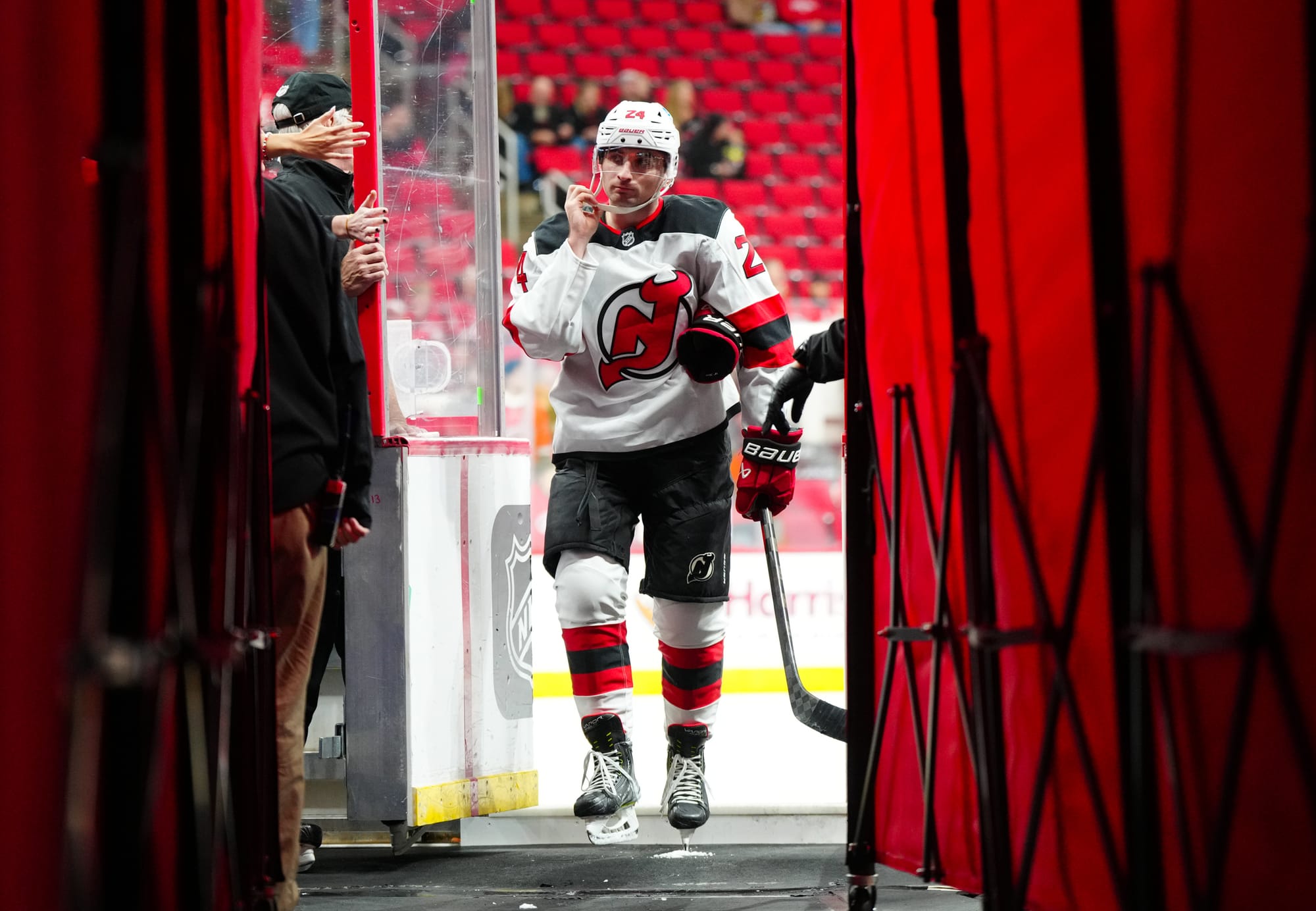
Before the state was producing talent like Gostisbehere or Fowler, youth players faced a great deal of adversity. A lot of skepticism coupled with a lack of confidence in the players, especially when games got tough.
“People thought that they wouldn't be able to handle it,” Worrell said. “If it was too cold outside, oh, this Florida kid's not going to be able to play here. He's going to want to cry and go home.”
But as players started to prove that they were just as good as everyone else, he said, they started to shift the culture. As more talent appeared from the state, it justified more scouts making the trip. “If you're from Florida, it's not a scarlet letter on your chest anymore,” Worrell said.
As players from Florida continue to carve pathways for youth players down the pipes, Ryan’s team traded the highlighter orange jerseys that repped Zoom Tan in for golden palm trees encrusted in the logo, repping that Florida is a hockey powerhouse and it is here to stay.
“More and more people are realizing like, hey, the team has palm trees on their jerseys, and they're from Florida,” Ryan said, “[but] we might not want to take them lightly anymore.”