For Mia
PGA Tour veteran Camilo Villegas remembers his daughter’s smile, the way she followed him around, her joy. Now the family is doing everything they can to honor her memory – and supporting parents who are going through similar ordeals.
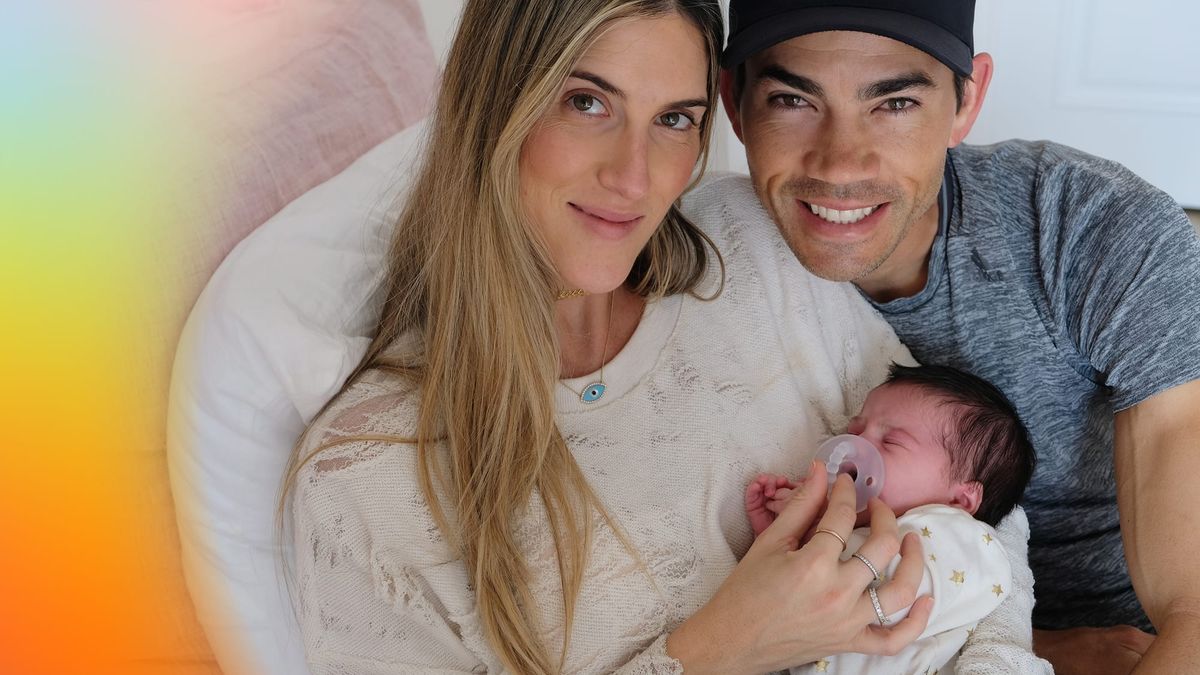
Three-year-old Mateo Villegas wandered around his home repeating a date. Everywhere he went, he mumbled, September 26, September 26, September 26. His father, Camilo – a former UF golfer and PGA Tour veteran stopped when he heard his son walk into his wife’s office.
Camilo’s daughter, Mia, who died of pediatric cancer in 2020 at 22 months old, was born on Sept. 26. Mateo didn’t know his older sister beyond the stories Camilo and his wife, Maria Ochoa Mora, told him.
Yet, somehow, Mateo knew that in three days, it would be Mia’s birthday.
“Those things show that there are connections and that there is power – that we are still here,” Camilo said in disbelief.
The Villegases lost their daughter, Mia, nearly six years ago, but still keep her legacy alive in both their household and in charity work in the United States and Colombia. Their foundation, aptly named “Mia’s Miracles,” provides hospitals with pediatric equipment and renovations to support other families who are undergoing similar situations.
So far, the foundation has raised more than $2 million, but the Villegases are far from finished, guided by what they see as Mia’s mission: to spread joy even in the most hopeless of situations.
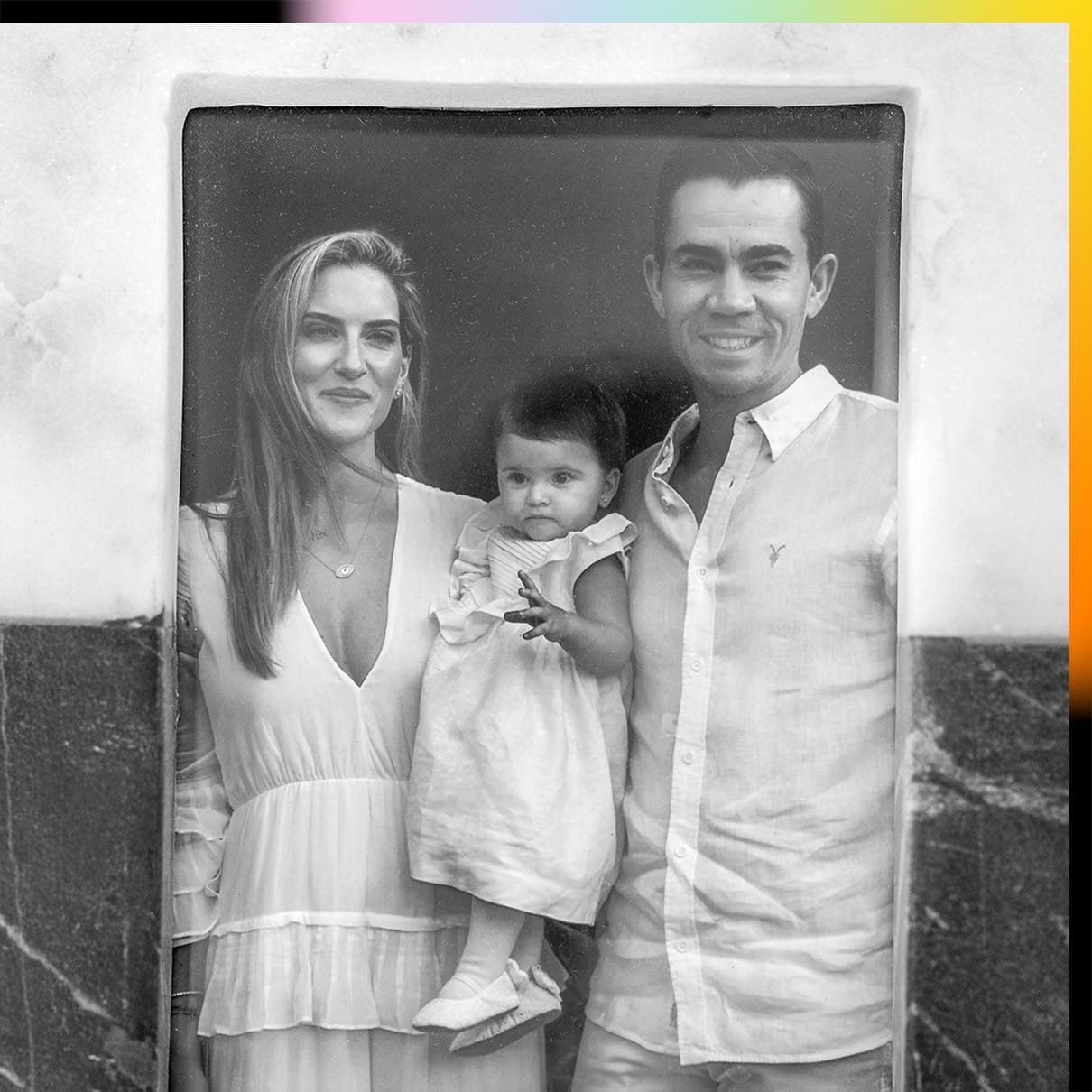

Born in Medellín, Colombia, Villegas played in the National Junior Championships at 8. By 16, he tallied a national record, winning the Amateur’s Grand Slam — the National Junior Championship in both stroke and match play as well as the National Amateur Championship and the Colombian Open.
The ceiling of Colombian golf drew closer from occasional whispers to recruiting conversations. All roads in Latin American sports lead back to the United States, where money and collegiate backing draw a map to professional leagues. His 1,600-mile journey was inevitable since he took the first swing on the green.
So, Villegas toed the delicate tightrope of most immigrants: never forgetting his home country while forging a path forward in a different one.
He committed to Florida in 2000, but Gainesville isn’t Medellín — far from it. Clouds shroud the mountain peaks in Villegas’ home city, the second-largest in Colombia, and the elevation climbs to more than 9,000 feet. Traffic jams the streets of barrios, steep and narrow neighborhoods carved into the winding hillside. Open a window, and the cacophony of car horns, the faint smell of vendors selling food and the neighbor gossip in Spanish permeates.
“The people from Medellín are really hard workers,” Maria said. “Medellín is a city where you see things happening.”
While an oasis in farmland and rural towns, Gainesville was much quieter than Medellín. Spanish moss dangles from trees, slightly swinging in the breeze as cars pass on the multi-laned pavement. While the University provides some communal spaces, the streets reflect the specific American brand of individualism. Rows of one-story houses line cul-de-sacs, and each person worries about their own problems, their own family, their own dream.
Despite the cultural differences, his coaches remembered greeting Camilo and his wide grin when he joined the Florida men’s golf team in 2001.
“I remember the sinister little giggle that he would have whenever he was doing something to somebody,” former UF men’s golf coach Buddy Alexander said. “It was just always funny and fun.”
Villegas spoke English — having attended a bilingual school before college — but he struggled at times to learn the nuances of the language, Alexander said.
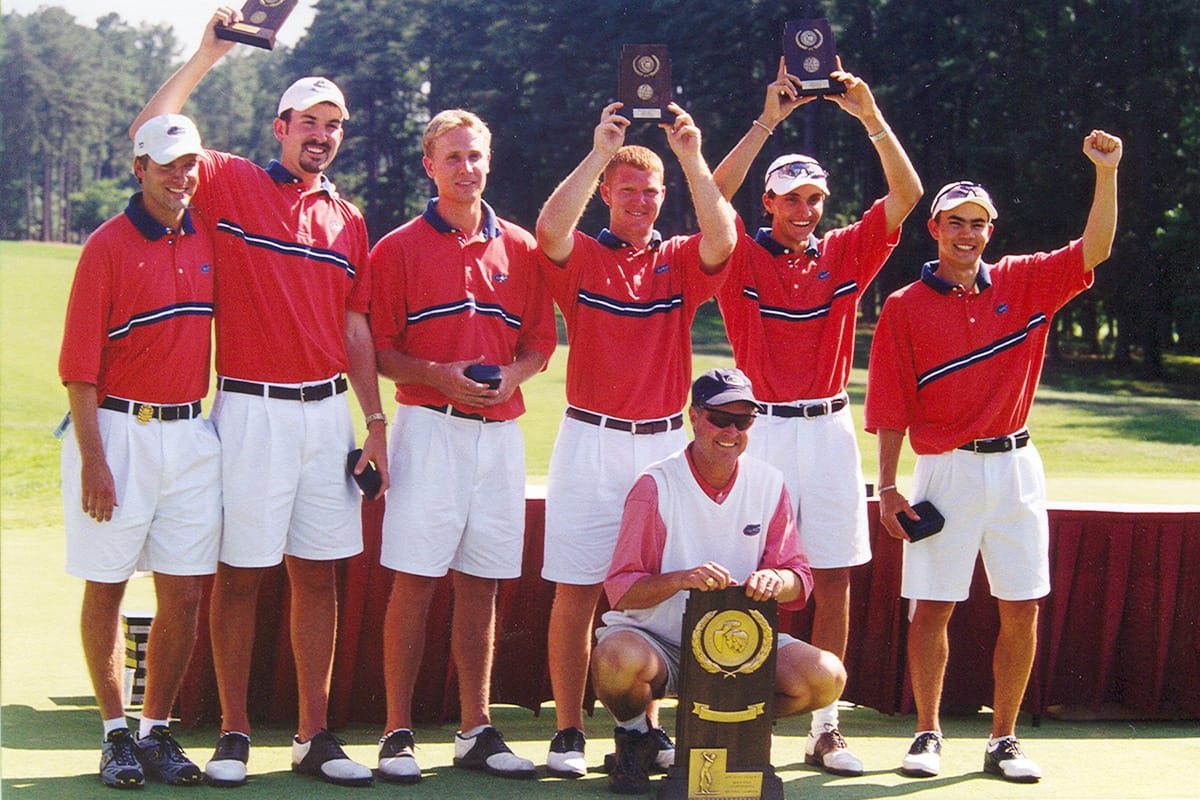
Only one universal language was spoken in the golf team under Alexander’s direction, though: winning. That year, Florida outlasted 30 teams to win the NCAA championship. Camilo earned the SEC Freshman of the Year award and All-American honors.
Despite his occasional struggles, Camilo epitomized the American dream that few immigrants can achieve in one generation. He later won the 2004 SEC Player of the Year award as a senior, graduating with a degree in business administration.
“It was life-changing,” Camilo said. “I'm always thankful for the University of Florida, not only for the memories and education it gave me, but just for making me better to take that next step in life.”

Camilo turned professional after leaving UF and earned his PGA Tour card before the 2006 season, making his first Masters appearance a year later. From there, he became a consistent member of the tour, reaching a career-high No. 18 in the Official World Golf Ranking in 2008.
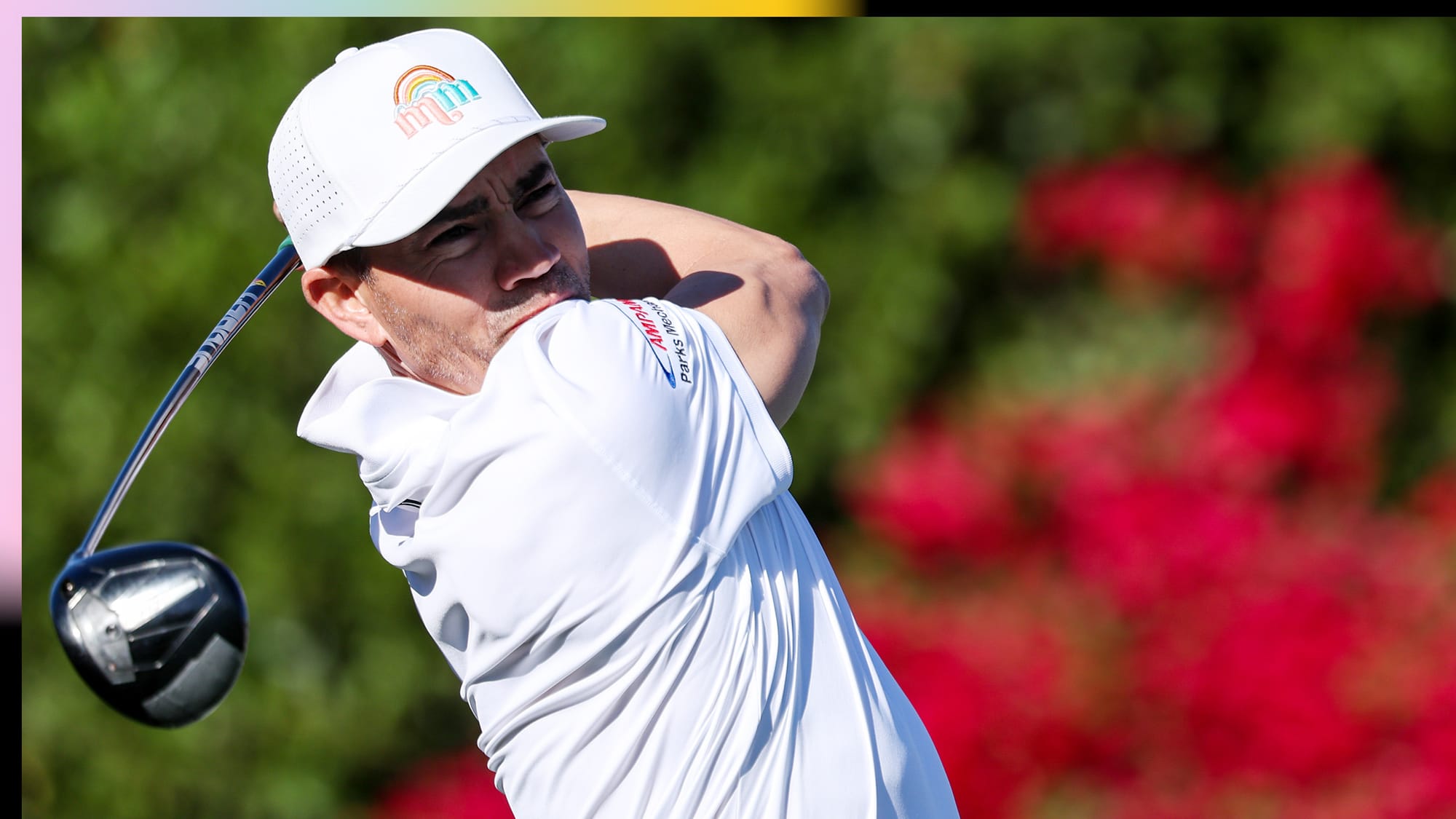
For a while, life was easy. He wore J. Lindeberg clothing and had a top 10 finish in the PGA Championship (T-4) and U.S. Open (T-9) – both in 2008. He finished in the top 15 in the Masters and The Open Championship a year later. He reunited with Maria, a law school student in Colombia whom he had known since he was 12, and the two married in 2014. Having a family felt like the next step.
Mia was born Sept. 26, 2018. From the moment she opened her eyes, she brought joy to the Villegas household with a smile that mirrored Camilo’s. She followed her dad everywhere, grabbing his clubs and squatting beside him while he worked out. She rarely cried.
One day, though, 18-month-old Mia couldn’t stop.
Camilo, who was competing in The Honda Classic in nearby Palm Beach at the time, and Maria assumed it was a teething issue or one of the many flu-type illnesses young children get from mommy-and-me play sessions.
But Mia’s condition only worsened. She couldn’t sleep through the night. She couldn’t play with Camilo. She cried, holding her head in her little hands, touching her forehead or her cheek.
It’s probably just a teething issue, their pediatrician told them. Maria wanted a second opinion. It didn’t make sense. She called a doctor in Colombia in early March, who offhandedly suggested that they take her to a neurologist – just to make sure.
Jack and Barbara Nicklaus, close friends of the Villegas family, arranged for a neurology team at the Nicklaus Children's Hospital in Miami to see Mia. Camilo, Maria and Mia arrived in the late afternoon, and Mia underwent her first MRI the next day.
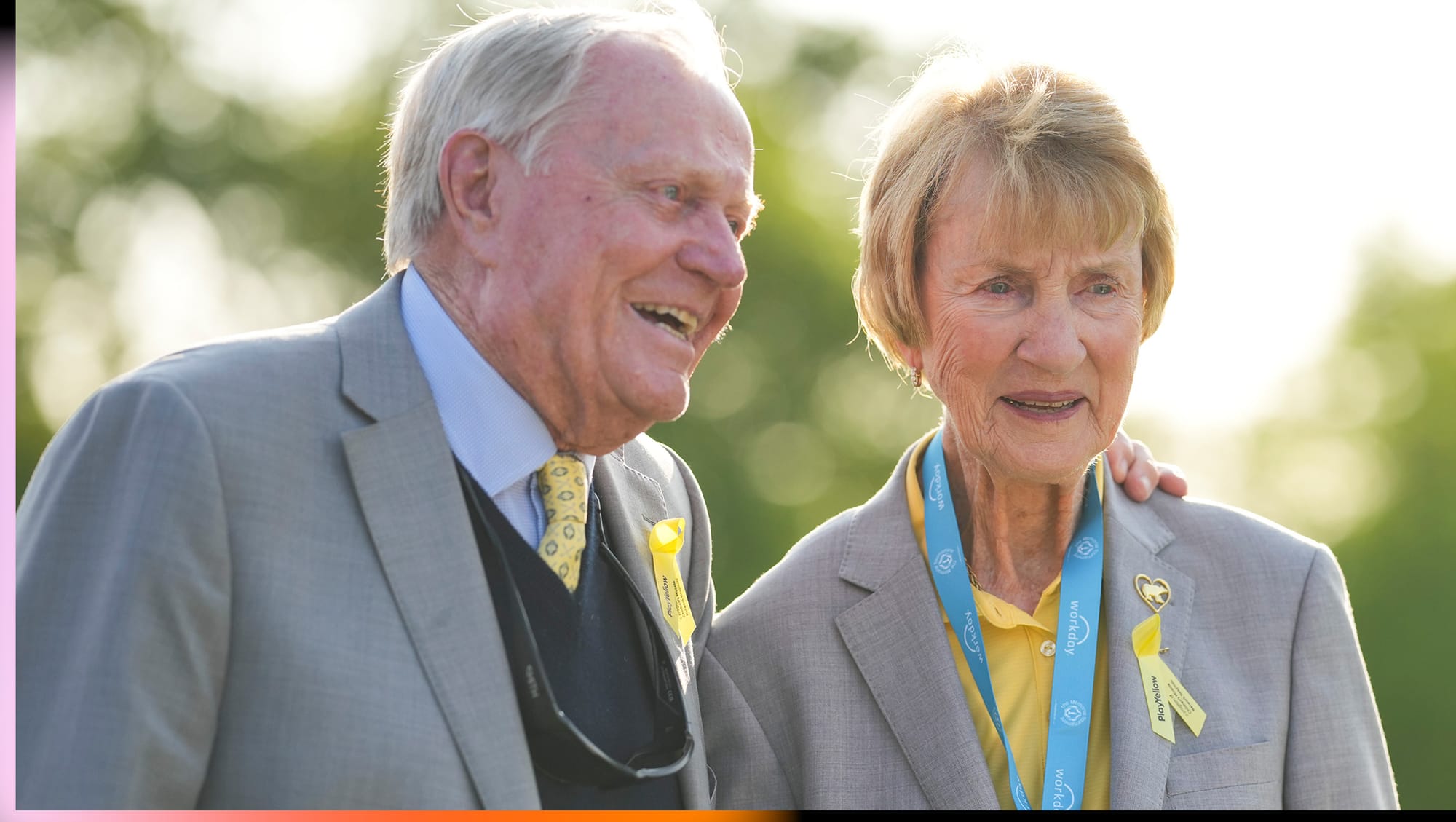
“They’re real people, and they’re nice to everybody,” Barbara said. “They don’t expect anything, and they’re a giving couple.”
Mia’s health felt personal to the Nicklauses. Their only daughter, Nan, was 11 months old when she struggled to breathe after swallowing a blue crayon in 1966. When the object broke into pieces, parts traveled into her lungs and became a breeding ground for bacteria, leading to pneumonia. While Nan made a full recovery, the Nicklauses lost their 17-month-old grandson Jake in a hot tub accident in 2005.
Both families shared the feeling of the long nights, staring up at the ceiling, counting tiles while hoping — praying — that their daughter recovered.
“When our daughter got diagnosed, that second, everything changed,” Camilo said.

There’s a way doctors walk into a room when they tell someone they have cancer. A solemn stare, a low tone of voice, simple sentences. It’s hedged bets placed in conversations about teamwork and resiliency: we will try our best, we will do all we can, we have a lot of options we can talk about.
The doctors told Camilo and Maria that their daughter had a mass in her brain with metastases in her cerebellum and spine. In other words, the cancer had spread from her head to her spine and into her bones. Mia’s surgery on Tuesday removed the main mass, but for 10 days, the family stayed in the hospital waiting to treat the other areas.
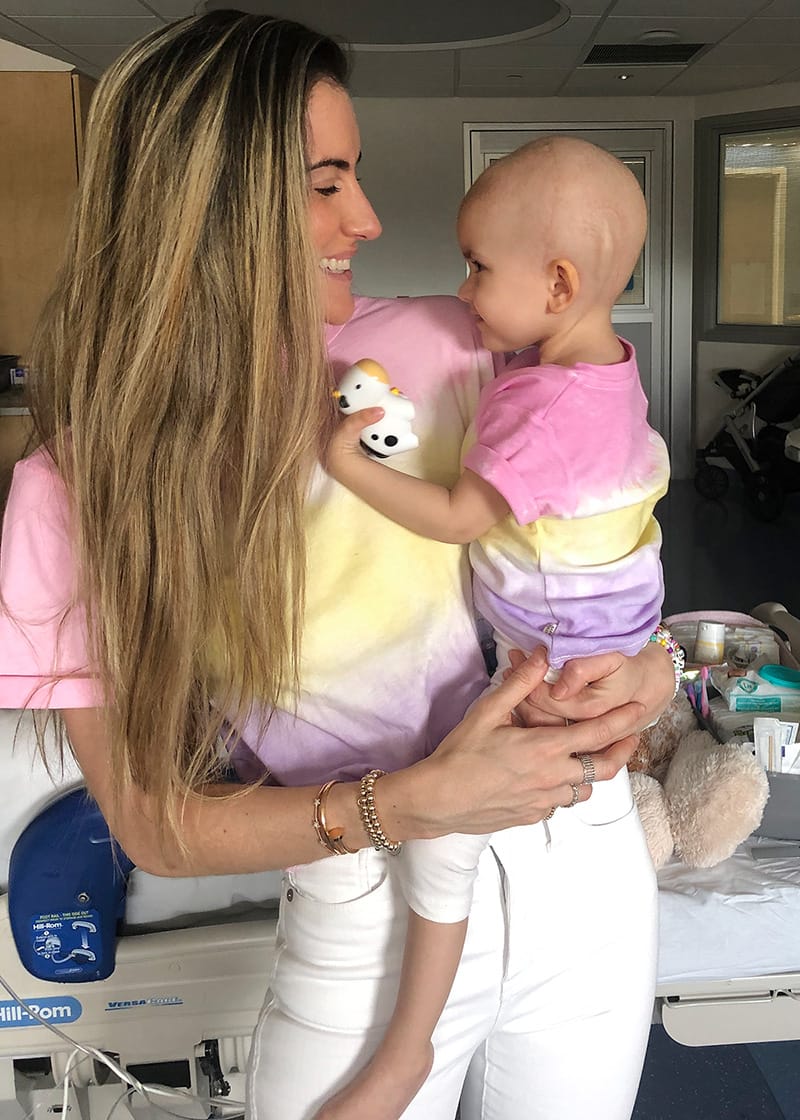
They were allowed to go home for three days as the stitching healed, away from the beeping of her heart rate on the monitors and the clinical, bleach smell of the hospital room. The three returned to the hospital for another MRI, and were greeted with the same solemn looks, the same low tone of voice.
The golf-ball-sized tumor was growing back after just two weeks of being removed. The cancer was aggressive. They couldn’t go home. Then came the five brain surgeries and a monthlong stay in the ICU. Mia was moved to the oncology floor, where patients had 24-hour care, and the rooms were quieter.
“It was kind of like torture,” Maria said. “It was really, really hard.”
Room 6017 became a mainstay for the family. Maria spent almost every night with her daughter while Camilo traveled back and forth from the hospital and a house in Miami, the family rented two minutes from the Children’s Hospital.
Maria was insistent on color, filling the white walls with rainbows and photos of her family. She brought a diffuser, so the three wouldn’t have to smell the disinfectants. She hung a sign that read, “Welcome to the land of make believe.”
Their one rule was simple: no grief, no sadness in the room.
One day during Mia’s stay, Camilo arrived in black shorts. Maria sent him home to change. On the day of Mia’s initial diagnosis, Maria had been wearing black. Since that day, she changed her wardrobe to all white in the hopes of creating a clean and uplifting environment.
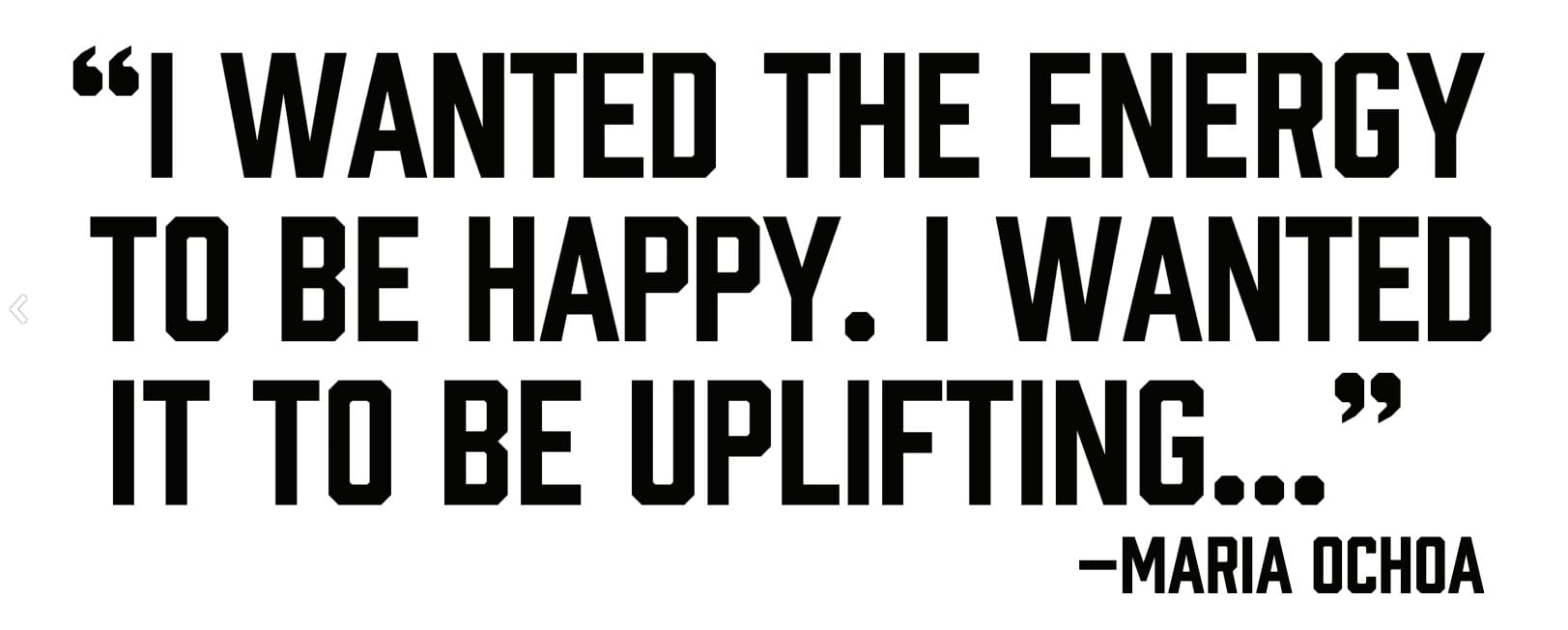
"I wanted the energy to be happy,” Maria said. “I wanted it to be uplifting from the things – from what you wear, the things you say, how you decorate, everything.”
Four months passed. After a round of mild treatment and two stronger ones, an MRI taken July 20 showed little progress. Camilo traveled five hours up the Florida’s east coast to play in the Korn Ferry Challenge in Ponte Vedra Beach. As fellow PGA Tour members learned what was happening to Mia, golfers started to don rainbow ribbons in support. Wives of PGA Tour players sent flowers and cards.
Six days later, Mia died surrounded by the colors she loved the most: all of them.

In the days, weeks and months after Mia’s death, the family struggled to process their grief. Their daughter was gone. Their friends tried to help, but what do you say to someone whose child is gone? “I’m sorry” didn’t feel appropriate. No words – in either Spanish or English – fit.
“I mean, what do you …” Alexander trailed off. “It's not an easy thing to talk about and try to be as positive as encouraging as you can, and stay in touch and let him know that you're there for him.”
Little by little, Camilo and Maria pieced together their life. The couple started restructuring Camilo’s small but existing foundation during Mia’s battle with pediatric cancer, quickly renaming it “Mia’s Miracles” to continue her legacy. The two selected the rainbow as a logo in pastels that mirrored the ones in Room 6017.
“A rainbow happens after a storm, and it's when the sun comes out and when the light comes out,” Maria said.
To give back to the nurses at the Nicklaus Children’s Hospital, the foundation created “Mia’s Serenity” spaces — rooms for medical staff to recover emotionally, which were then expanded to every floor in the hospital. In Colombia, the foundation donated 10 specialized, high-tech incubators to Hospital San Vicente in Medellín to help save newborns, and it helped remodel the outpatient chemotherapy unit to add furniture for parents and “entertainment” for children.
“Our country has so many needs, especially for vulnerable communities, and we want to give back,” Maria said. “It's a beautiful country, but it has a lot of disadvantages, especially in the healthcare system for underprivileged children and families.”
Camilo and Maria found healing in the charity work, but the months after Mia’s death wore on. The stories of the families whom they helped reopened wounds and reminded them of the hours in the oncology unit. At one point, Camilo suggested to Maria that they could refocus the charity in a different direction, something less connected to the acute grief both had experienced.
“No, these people need us, and we're going to stick through it,” Camilo remembered Maria saying.
“And I'm glad we did.”
Camilo eventually returned to the Tour and found peace.
In November 2023, he won the Bermuda Championship, shooting a final-round 65 to best Alex Noren by two strokes for his first Tour victory since 2014. As Camilo stood on the green, he looked at the sky — at Mia, thanking her for inspiring him to keep pushing.
Villegas was appointed as a captain's assistant to Canadian golfer Mike Weir for the 2024 Presidents Cup in Montreal. Weir, himself, is involved in charity work focused on youth mental health, raising at one point in 2007, $6.7 million for Children's Miracle Network hospitals.
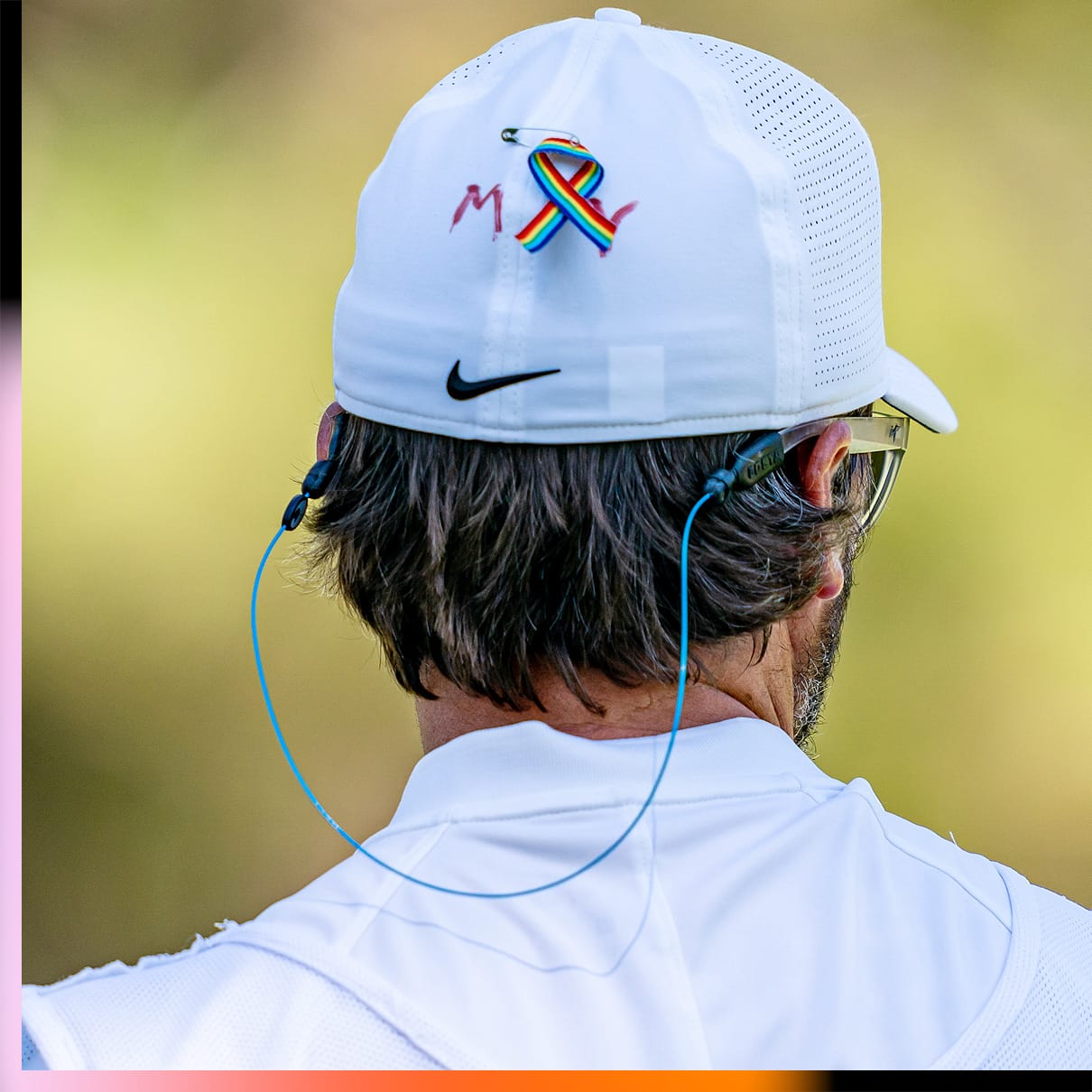
The Villegases described an outpouring of support from countless Tour golfers – from Keegan Bradley to Luke Donald – and from others across the PGA community who stepped in during the family's time of grief. From the moment Mia was diagnosed through the charitable work that followed, the golf world set competition aside and rallied around them.

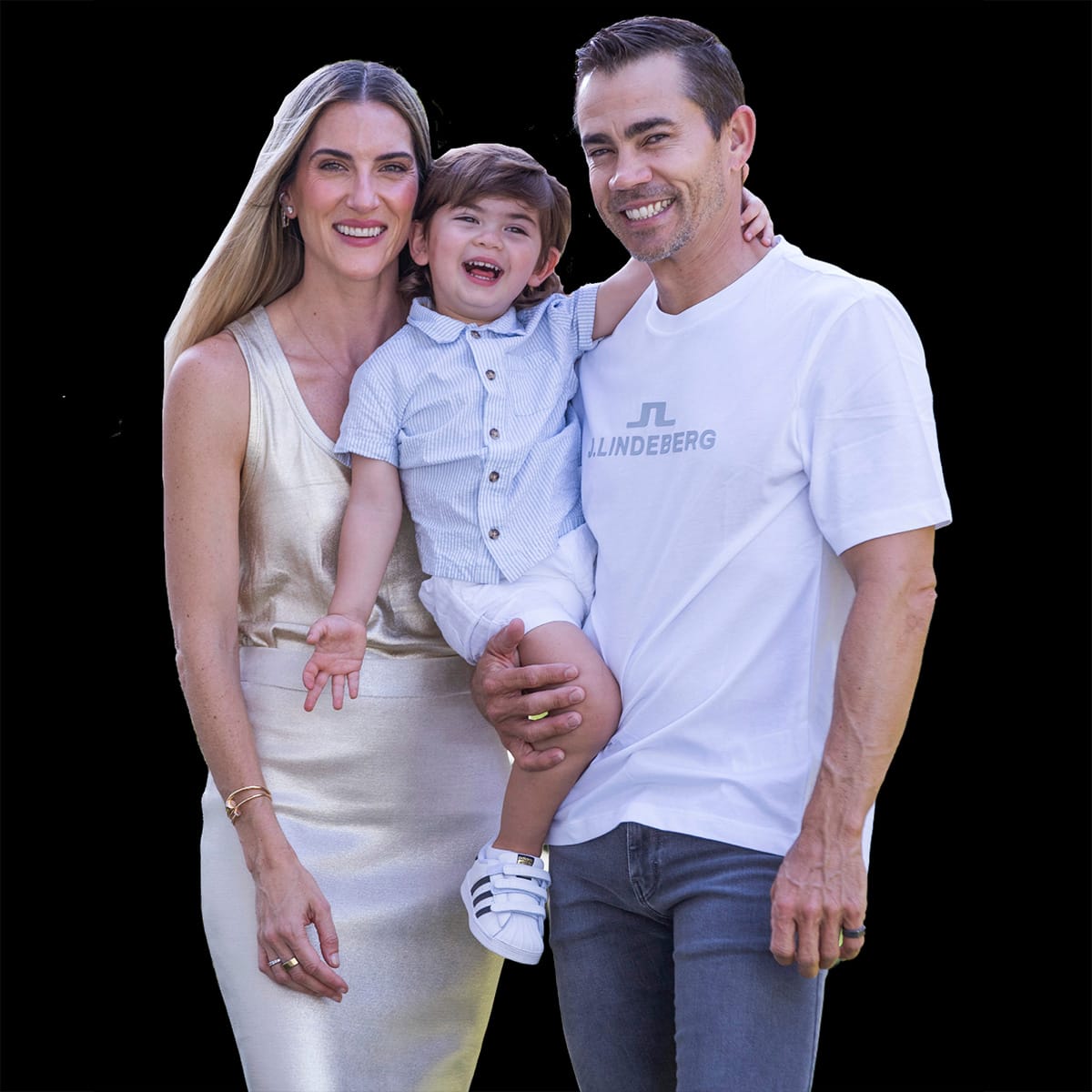
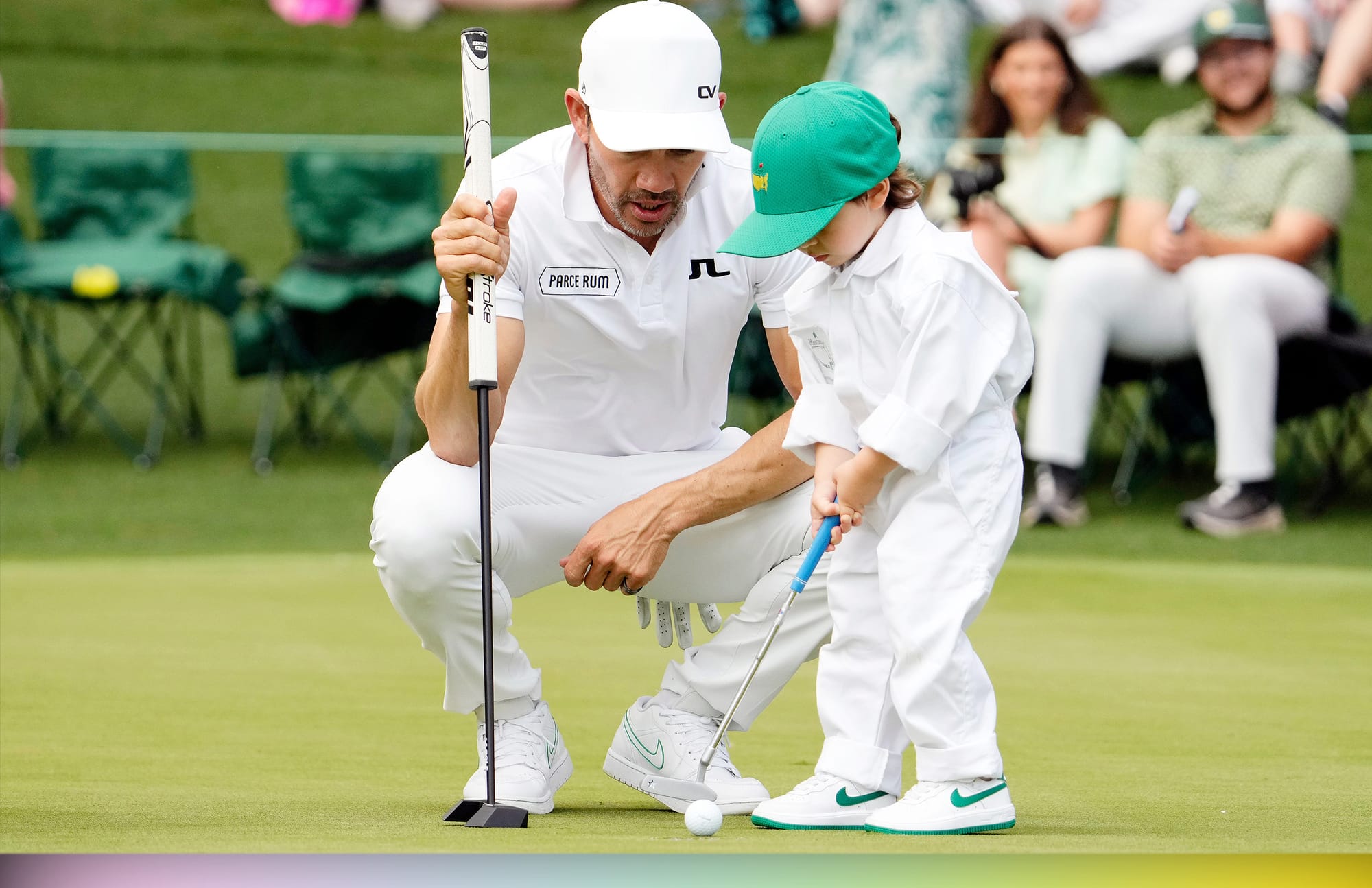
In his house in Jupiter, the family’s life remains busy. The two welcomed a son, Mateo, in 2021, and Camilo still rushes out the door to the green to practice. The hole Mia left still lingers, but the sharp pain lessened with the smiles of each child they have helped.
The couple also remembers her with cositas, the little traces of their daughter that the two keep close to their hearts: the white shirts that pack Maria’s closet, the photos of Camilo holding Mia in her arms, her joy. Problems that once felt insurmountable no longer feel unconquerable when compared to losing a child. And, September 26.
“She’s always in my mind, and I feel like she lives now that she’s our little angel,” Maria said, pausing for a moment to take a breath, her voice warbling. “I feel like she sees life through my eyes, and I like to live life as if she was here with me.”