Nate Campbell's Boxing Refuge
For the former lightweight champion, helping Jacksonville's youth has become his newest pastime. He thinks there's no better route than through his first love.
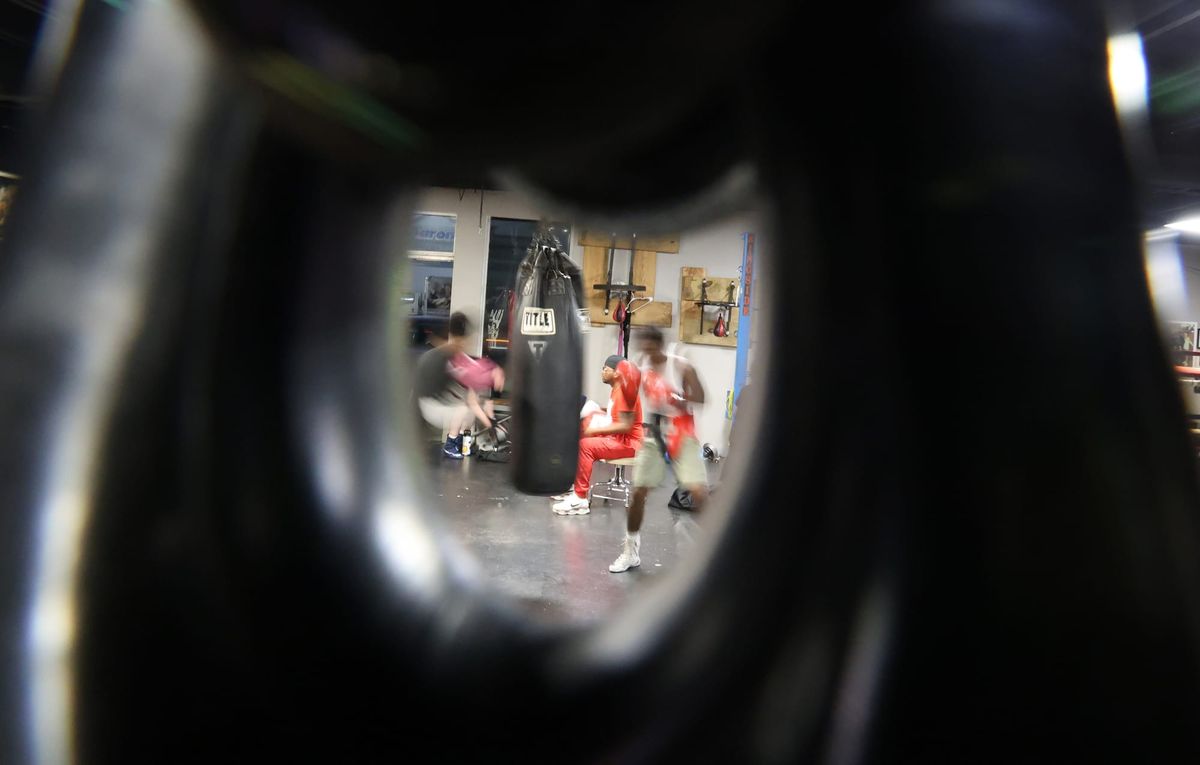
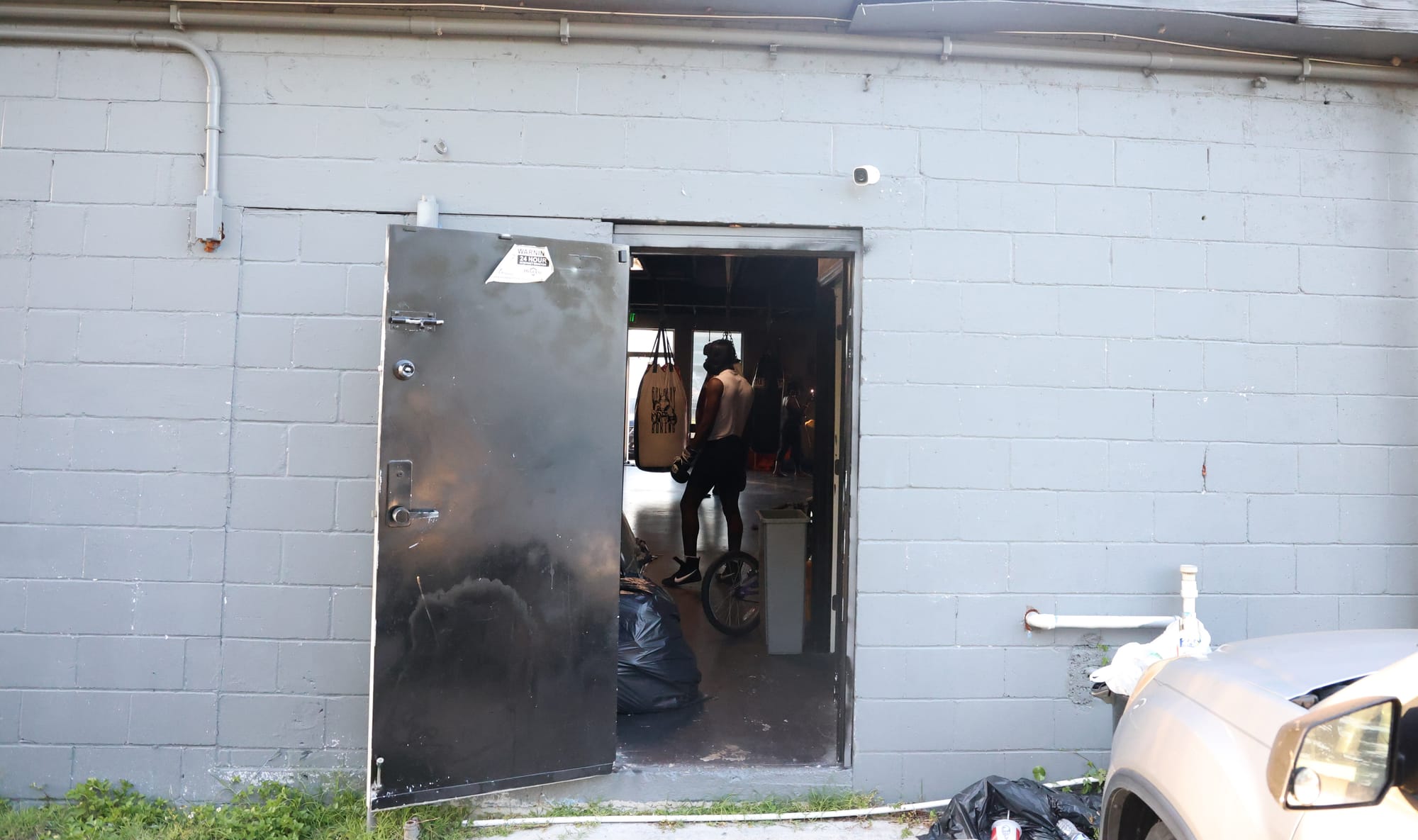
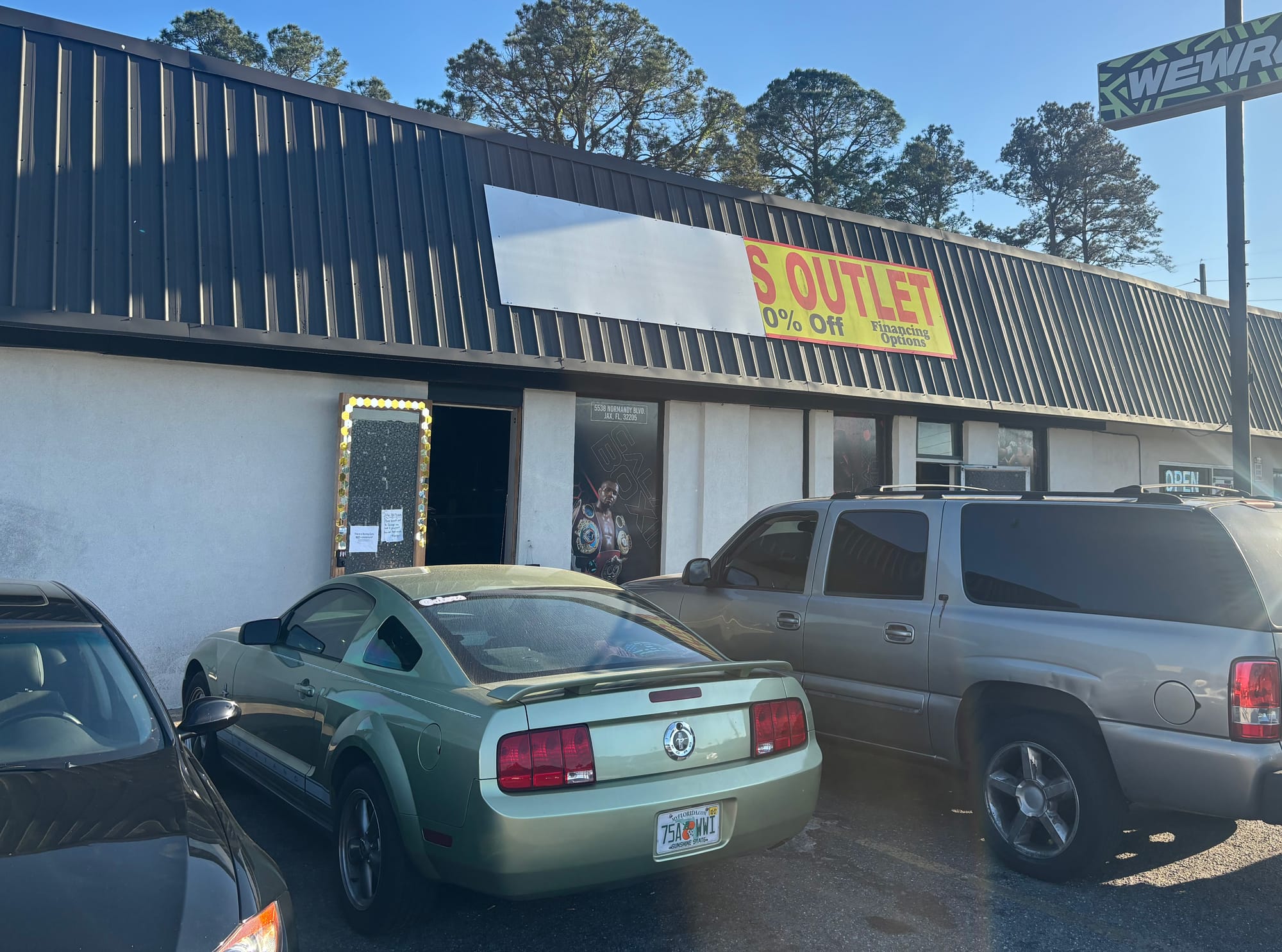
Buried in a strip mall in the west side of Jacksonville with half of a discount sign hanging from the roof, the gym reveals itself when you’re close enough to hear the gloves pounding and read the front window, where graphics of the owner’s name and accolades unveil the credibility of Galaxxy Boxing Refuge.
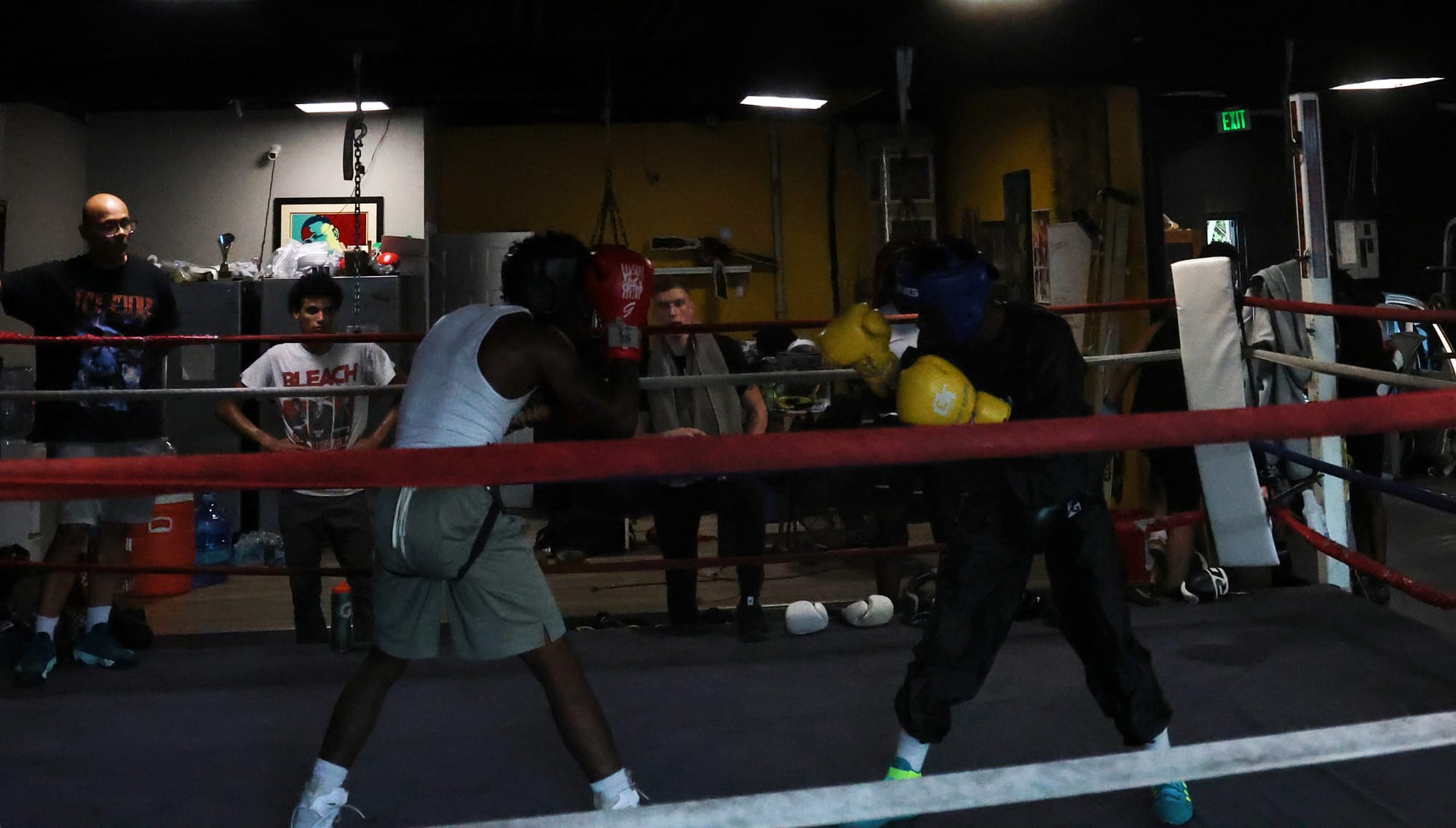
Inside, Nate Campbell walks by his belts and memorabilia strewn across the room where fighters are lacing up, wrapping hands and jumping rope. Campbell unloads his best trash talk while they settle in before the atmosphere makes a sharp turn from lighthearted banter to earnestness. After getting comfortable, it’s time to concentrate.
On Tuesdays and Thursdays, hours of tussles prepare fighters for what a real fight looks like, all while Campbell does his rounds. There’s more m-fers than a Samuel L. Jackson movie, but the ruthless nature of the sport turns the gym into a home.
“We do everything together,” said Carrington Crawford, who’s fought in the gym since it opened. “If somebody needs something, we all got each other.” Crawford and his teammates not only appreciate the relationships that grow through the sport, but also the experience that gleams from their coach.
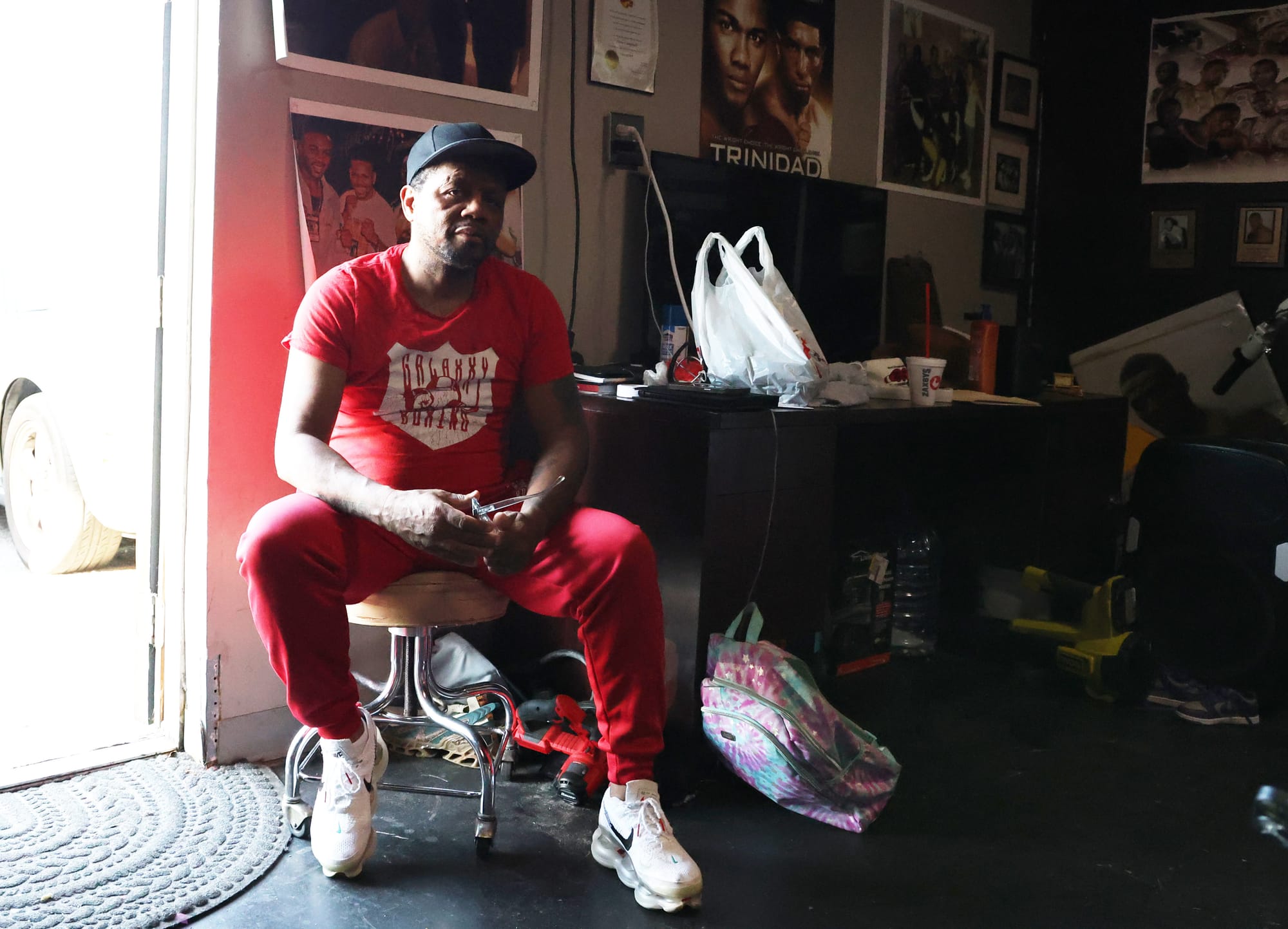
Campbell is a former three-time lightweight world champion. He held the WBA, IBF and WBO lightweight titles from 2008-09. At the time, he was the oldest man to win the lightweight belts at 36. At his peak, Campbell was featured as the co-main event at Madison Square Garden in 2010 and fought under Don King, known for promoting more than 500 world championship fights, including the iconic Muhammad Ali vs. George Foreman “The Rumble in the Jungle” bout.
But at Campbell’s heart, he’ll always be a kid from Duval.
Born and raised in Jacksonville and now 54, Campbell cherishes his hometown and wanted to make use of his 24 years of fighting experience spanning from 28 to 52 years old. In 2023, he decided to redirect his passion from fighting to coaching, starting a gym in his hometown.
The disproportionate number of Black men in the city who end up in jail or on probation made him realize improving the community could start anywhere – even with boxing. “The best thing to do better is to help right here,” he said.
Fighters like Mike Tyson, an impression that Campbell has mastered, have called boxing the loneliest sport in the world, with isolation in and outside the ring. At Campbell’s gym, the environment itself couldn’t provide a better counter claim.
“It’s like my own little family,” said Crawford. “We go to fights together, represent each other, eat together and sleep together.”
But it’s not all sunshine and rainbows, the fighters must be willing to undergo a severe mental and physical transformation to the standard of world champions: Sweatsuits dripping from the air-conditionless heat, sore knuckles withstanding hours of collisions and ringing heads that only remind you to keep your hands up. Campbell believes his experience makes him the ideal candidate for curating that task.
“Most trainers have no idea of the practicality of boxing,” he said. “A guy who’s been watching boxing for 40 years, but I’ve been doing it for 24 years. … Who you want?”
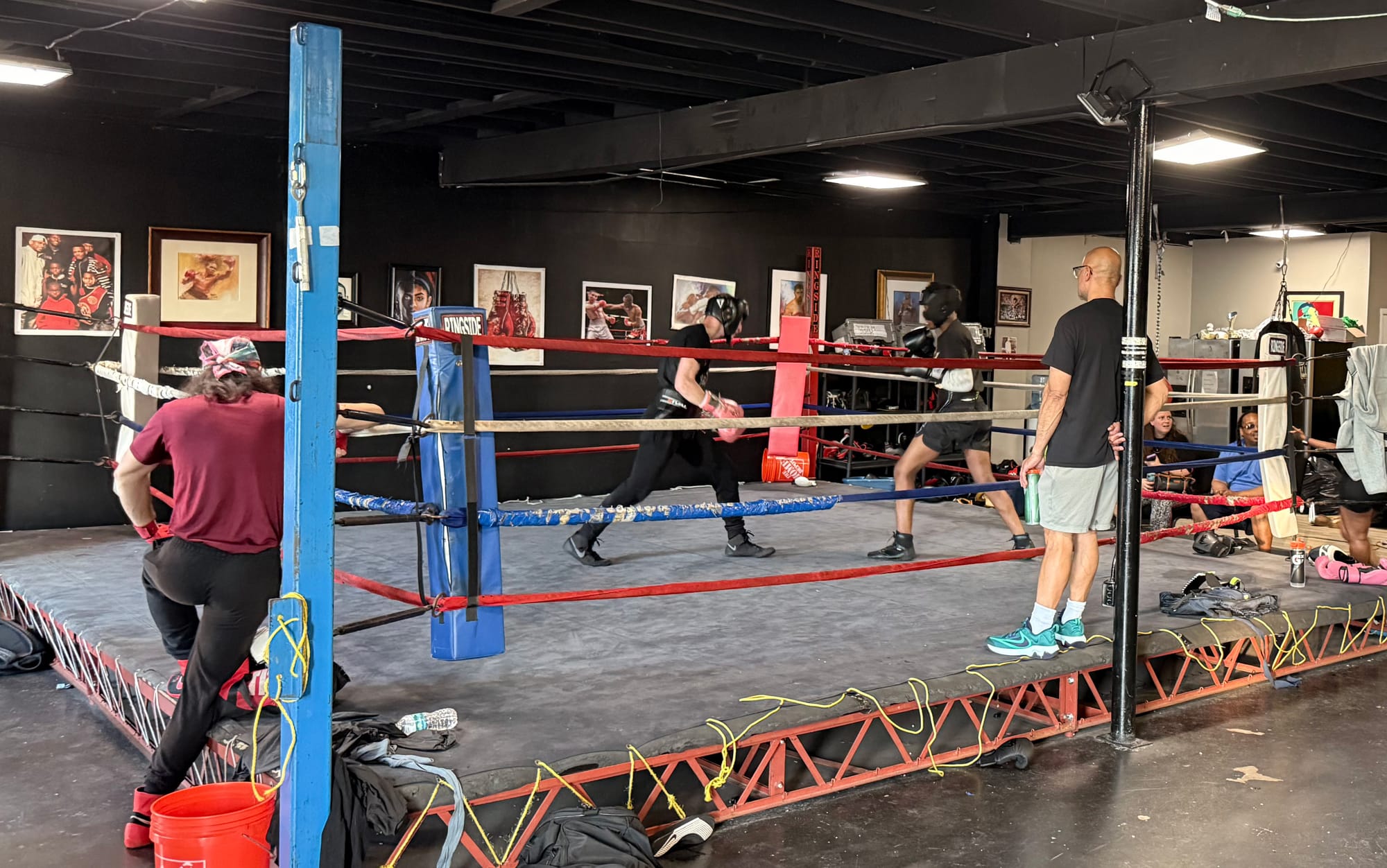
His key to success is simple: Make them fight.
Sparring is typical for late nights in the gym. Campbell lurks around the ring and critiques technique but mainly focuses on aggressiveness. If he sees a hint of softness, he’ll jump in, rip into the fighters and practically throw them at each other to see how they perform in the fire.
“Some guys’ noses get busted and some get knocked out,” he said. There’s no 75% effort when they hear the bell. Campbell wants every sparring round to match the intensity of a championship fight. He’ll cut off full-strength sparring a week before fights, but until then, it’s hours of straight war.
This isn’t an unprompted philosophy – he trained like such ever since getting pummeled in the back of a Jacksonville computer repair shop.
“They were passing me around like a joint when I first started,” he said. “They called that group downtown Beirut 1980. It was rough, it was going down baby.” Obviously, Campbell didn’t get beat up for long, but he credits his early preparedness to those brawls. There’d be no champion if the real fights didn’t come in practice. The same goes for his boxers.
Campbell said parents complain about the violence of his sparring, but he shuts them down quick. “I’m not going to listen, and I never want them to come back,” he said. “This is the pain game.”
But truthfully, crafting the strongest connections possible ranks above sparring among Campbell’s coaching priorities. Having familial relationships between fighters creates accountability – it makes them push each other and gives them something to fight for. In Campbell’s eyes, watching a kid bleed for the same sport another’s similarly sacrificed his health in can develop one of the strongest bonds that sports can offer.
“I don’t know if football or basketball is like that.”
Campbell had the same experience connecting with teammates early in his career, which eventually saved him from the life he tries to pull fighters away from: “dead or in jail.”
He started his professional career 23-0, becoming one of the fastest risers in a stacked lightweight division. On Jan. 3, 2003, the HBO static intro played, and in the leadup to the main event between Vernon Forrest and Ricardo Mayorga, Campbell stepped into the ring with a 28-1 Joel Casamayor, the former WBA super featherweight champion and eventual WBC lightweight champion.
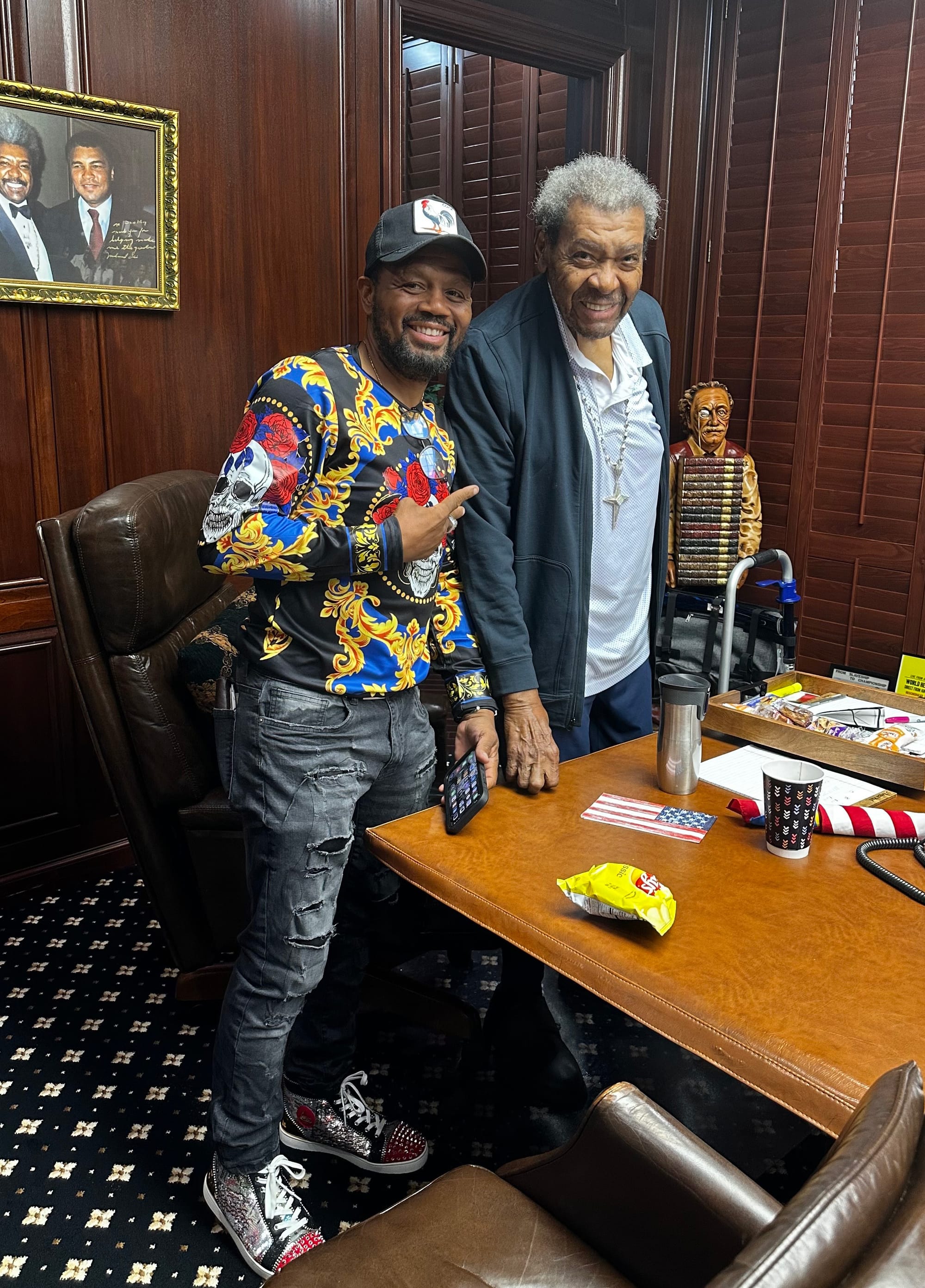

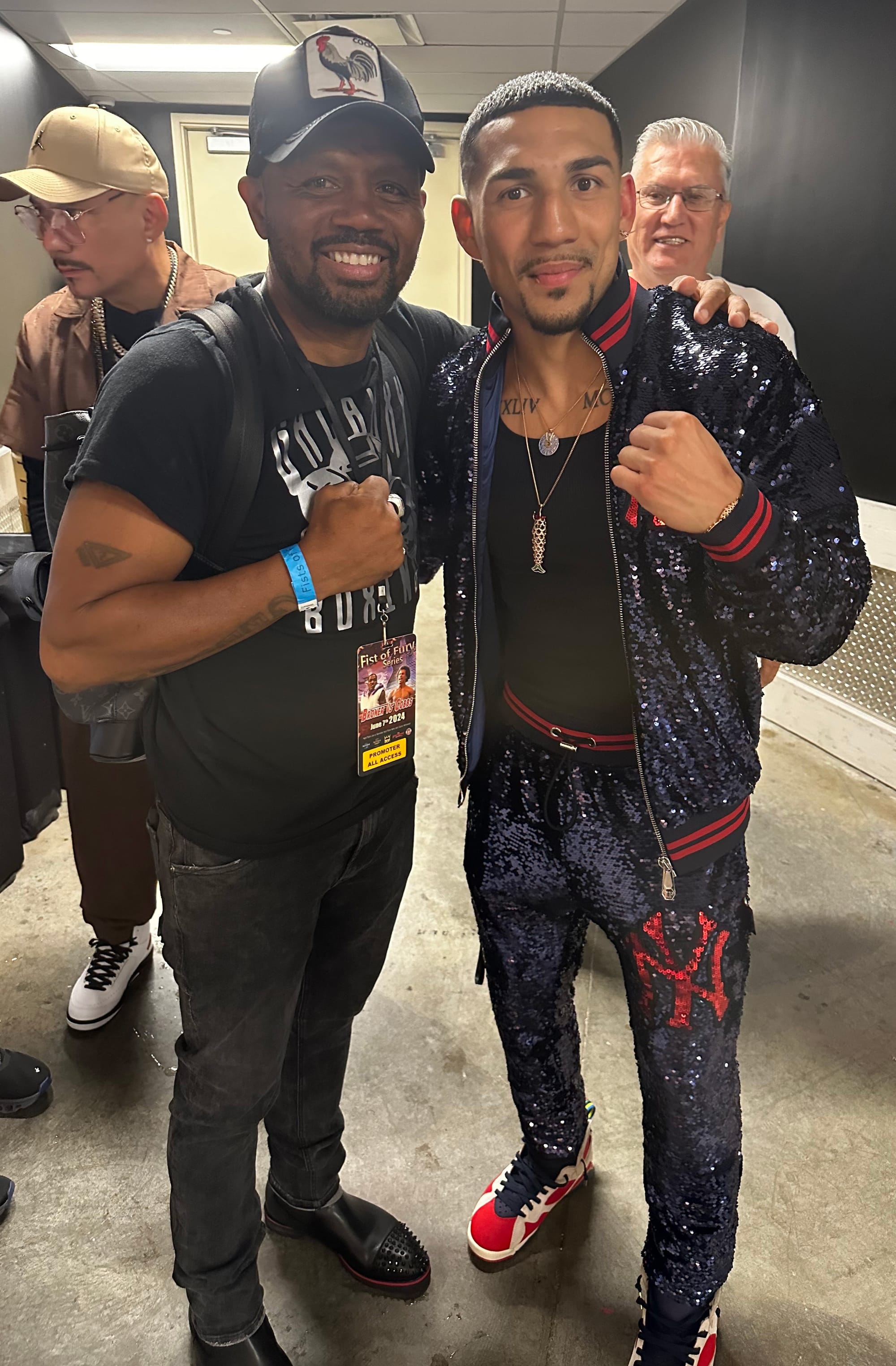
Left to right: Nate Campbell with Don King; Campbell fighting during the 2000s; Campbell posing with boxer Teofimo Lopez. | Courtesy of Jazmyn Campbell
Campbell battled all 10 rounds, bruising Casamayor with constant right hand strikes and flurries of body shots when getting him on the ropes. However, Casamayor’s experience gleamed late with a southpaw stance that opened up left hand straights on Campbell.
At that point, Campbell was practically missing a hand, battling through an injury.
“He couldn’t throw a hook in that fight, so he was using his jab as a range finder and nailing him with right hands,” said Jim Waldrop, Campbell’s manager and eventual cut man, who was inducted into the Florida Boxing Hall of Fame in 2012, flashing 40 years of match making in what Campbell calls the greatest era of Florida boxing.
The two fighters stood in the center of the ring after 10 rounds of a bloody war. The first scorecard read 98-92 Casamayor. Campbell turned in complete confusion. It had to be a mistake. His face flattened at the scores of 97-93 and 96-94, marking a unanimous decision loss. The HBO commentators thought it was much closer than whatever numbers were announced, the crowd expressed disappointment with the decision and Campbell etched a one in the loss column. “I’m going to be real honest with you, he didn’t lose that fight,” said Waldrop.
That shock dramatically changed the next two and a half years of his life.
“That was the most depressed I ever was,” said Campbell. He went 3-3-1 over his next seven fights, looking like half the fighter he was before being defeated.
“I was hurt, I was angry, I was killing my body trying to make weight,” he said. “I felt like I had to prove something to people around me who really didn’t care about me.”
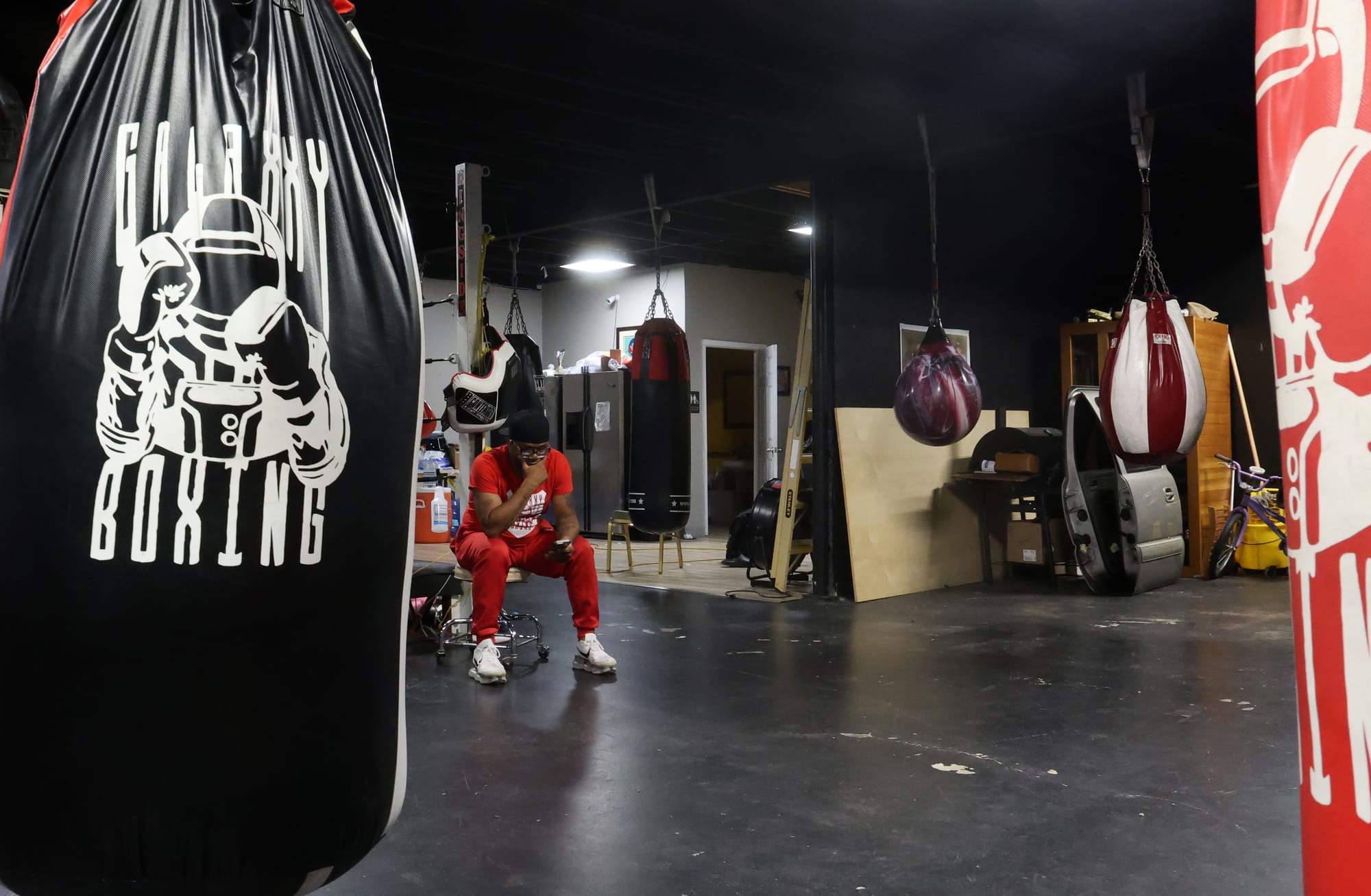
Spiraling, the pent-up anger boiled over and Campbell said after going through a group conflict (with others he wouldn't name), he snapped.
“I was walking down the train tracks,” he said, “and those people were getting in their car.”
Gun in hand, he stared them down from behind through the lens of his scope. “My eyes were cold as steel because I was going to kill them,” he said. “I kept looking a little longer and saw a baby in the car, that’s the only reason I didn’t.”
A woman emerged from her house by the tracks, saw Campbell, and “in the most calm voice,” told him it’s not worth it.
The gun lowered as he reflected on who he had to live for. The rocks under the railroad rattled as he walked away. “It was moments like that where the people around me helped me through,” he said.
A child experiencing the foster system and attending 15 different schools by the time he was 17, Campbell ended up finding some of his closest family members through fighting. John David Jackson, Roy Jones Jr. and Vernon Forrest were just a few who Campbell could lean on for help. Cutting weight, training in hot gyms and riding through the ups and downs of boxing together soldered an unbreakable bond that allowed Campbell to cope.
“It made me understand I was going to be alright. There was nowhere to go but up,” he said.
Campbell went on to beat undefeated Almazbek “Kid Diamond” Raiymkulov in October 2005, which he said marked the end of his depression before starting his run to a world title in 2008.
“I told him walking out to the ring ‘Nate, if you want to change your trajectory and put yourself back in contention, tonight’s the night,’” Waldrop said. Waldrop has witnessed the rise of fighters like Roy Jones Jr. ever since the legend was eight years old, but Waldrop became a father figure to Campbell specifically. He said any time of the day, Campbell will answer his call if he needs help. Boxing was always about the people Campbell got to spend time with. “We were just men loving what we did and loving each other in the process,” Campbell said.
These days, he tries to recreate that love.
His gym recently became a nonprofit, and with fighters having to travel to as many as three fights a month, Campbell will find himself in the likes of Teddy Bridgewater, paying for his athletes’ hotels, physicals and meals, if they need it.
Campbell’s daughter and manager of Galaxxy Boxing Refuge, Jazmyn Campbell, said that while memberships help keep the gym open, not every kid should be held to the same financial standard.
“I always tell people don’t count the butts you see in here because everyone has a story and everyone can’t afford to come, but we never close the doors to anybody,” she said.
That’s where the “refuge” comes alive.
Just recently, a fighter was in a situation where he ended up on the street. He had nowhere to go and instinctively turned to the family he built at Galaxxy Boxing Refuge. Campbell responded instantly, purchasing an air mattress and letting him sleep in the gym for multiple months. Jazmyn washed his clothes every week and let him take showers at her father’s house.
The gym also hosts cookouts with bounce houses, back to school drives, Christmas toy giveaways and fight watch parties for the group, all with the purpose of bringing the community together.
“It’s a great brotherhood,” said Tre Weaver, a fighter training to compete in the Olympic Trials in 2027. “Anytime someone slacks we push each other to keep going harder.”
As Campbell transitions further into his life as a coach, he gets to witness the same relationships sprout that carried him through his life in Jacksonville. Those ones that haven’t died off.
In the corner of the gym, Campbell will sit at his desk loaded with business papers and call old friends like Jones Jr. or Ray Mercer. Reminiscing on late nights in the gym is a hobby that Campbell will never shake, nor does he want to. Even after the gloves come off, there’s no end to the connections he made in his career. “The guy you did it with will always mean so much to you,” Campbell said.
“I was talking to my guys, and I said you’re going to miss this one day,” he said. “One day, this is all going to be over.”
It will. A fighter will at some point not have to cut weight, not have to spend countless hours in the gym and not battle the extreme fluctuations of the sport. But the people? The journey? They never fade.