What Makes Each Tennis Major Unique?
The 'Big Four' Grand Slam tournaments all have their own distinct identities. Here's a guide to what makes them special, all from the eyes of those who've played in each.
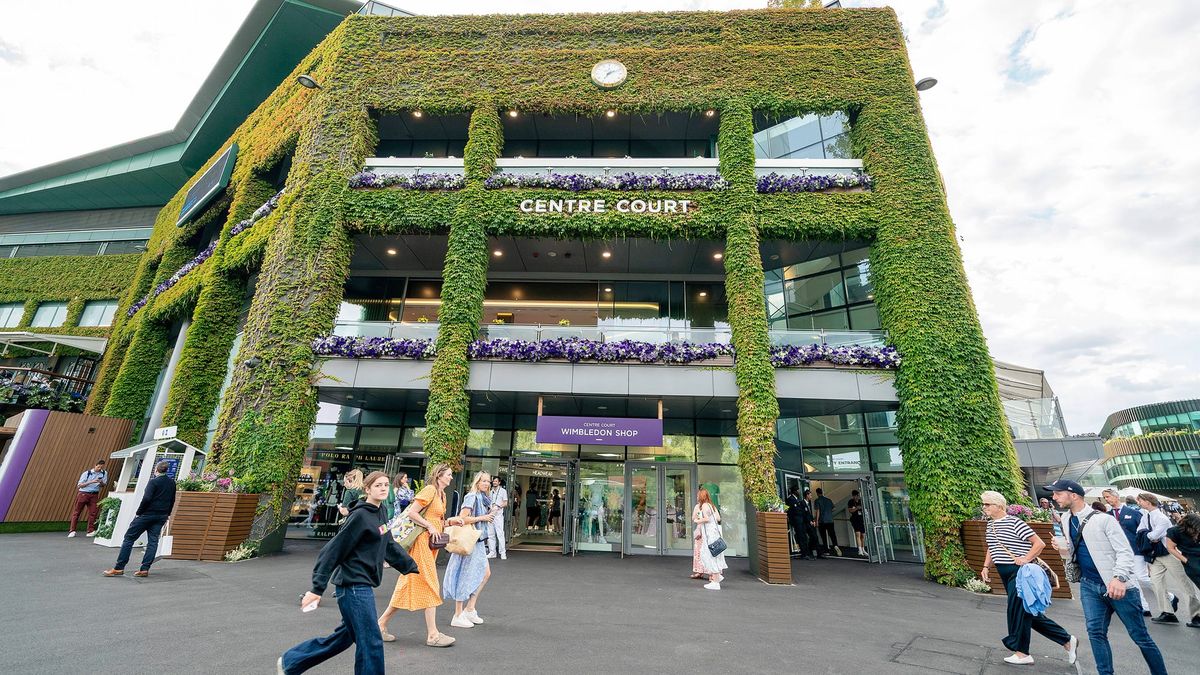
In the summer of 2023, 28-year-old Carol Zhao dropped to her knees on the grass of Wimbledon and buried her face in her hands, overcome with emotion at what she’d just done. After nine long years of heartbreaking losses and toiling away in the shadows, she’d finally done it: qualify for her first Grand Slam main draw spot. By winning her third and final qualifying match, Zhao’s dreams had become her reality.
“It was a feeling I can’t even describe,” Zhao said afterwards. “Just pure joy, gratitude and relief. Everything happens for a reason.” In that moment, Zhao captured the magic of the Grand Slams. More than just tennis tournaments, they’re where years of unseen hard work break onto the global spotlight.
The greatest tennis players in the world have descended to a charming suburb in southwest London for the third Grand Slam of the year: Wimbledon.
Two weeks of thrilling tennis on the magnificent, perfectly manicured grass courts of the All England Lawn Tennis Club – the pinnacle of tennis tradition, history and championship dreams.
If you’re new to tennis, think of the Grand Slams like the Super Bowl or golf’s majors. These are the peak events of the tennis calendar: the biggest stages, largest paychecks and the events every player dreams of winning. There are four of them every year, each two weeks long and with 256 players in the men’s and women’s singles draws (including the qualification rounds). Win one and your career changes forever. Win all four in a single season and you’re in the history books alongside the sport’s legends. Only five players have ever done it in the same calendar year, the last being Steffi Graf in 1988.
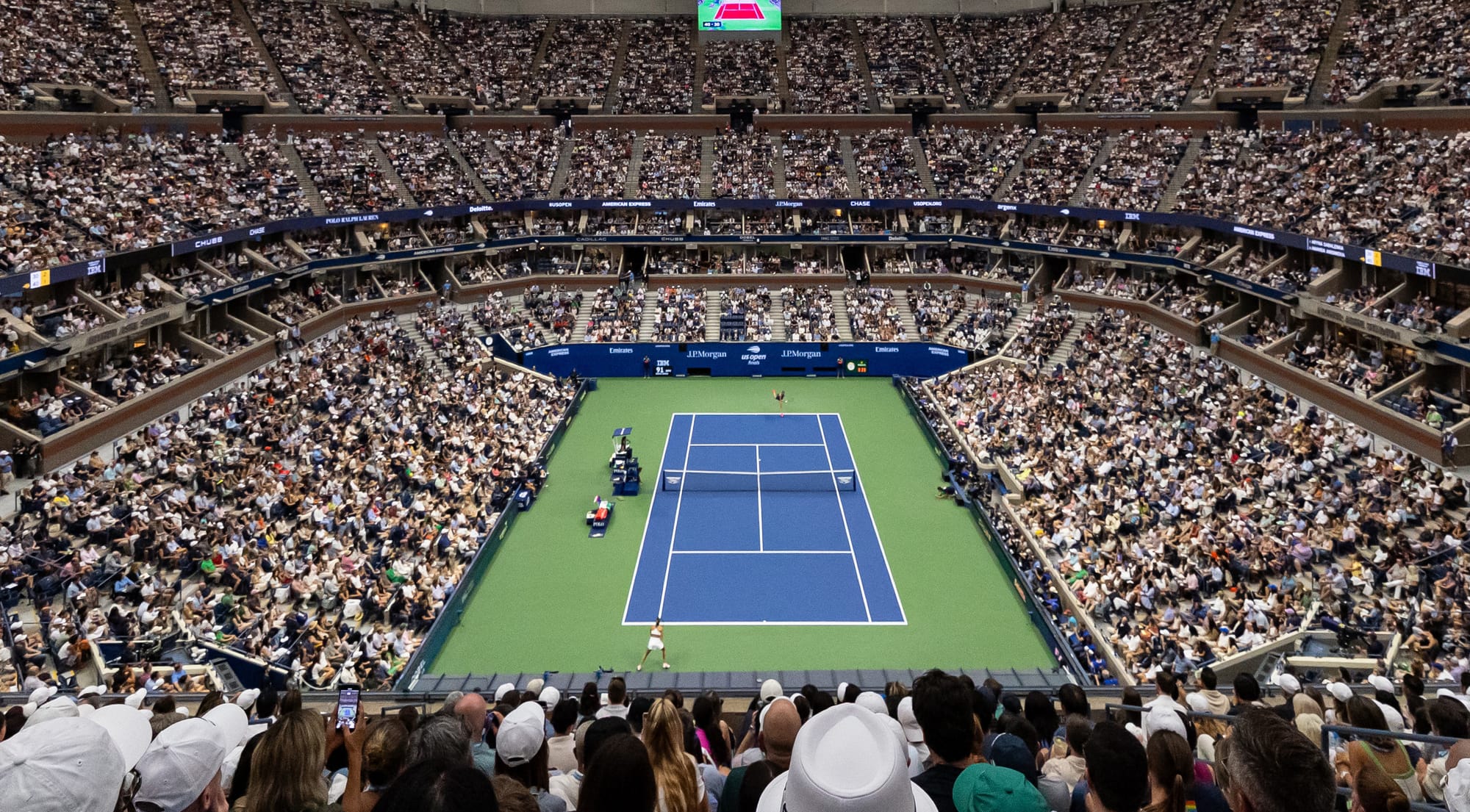
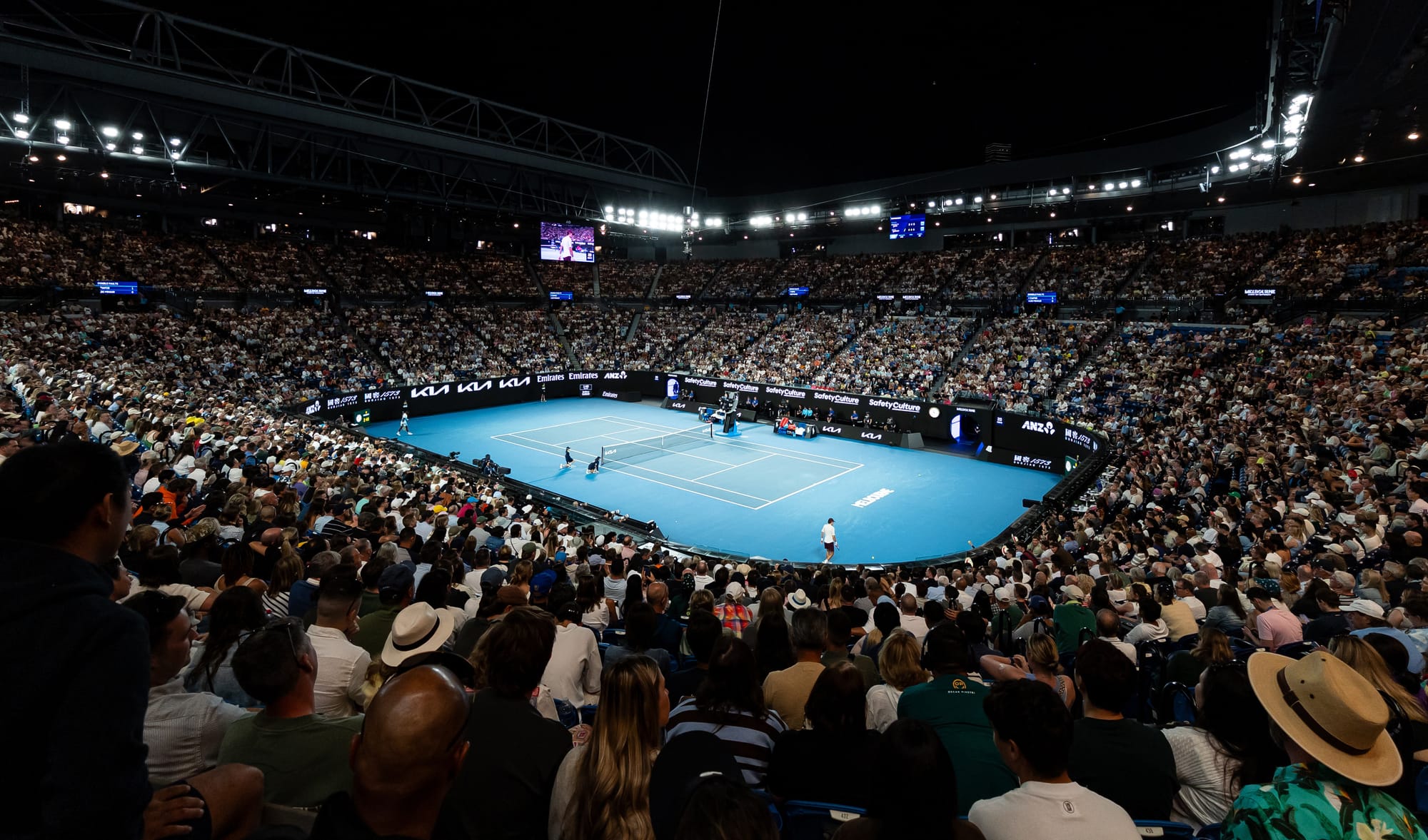
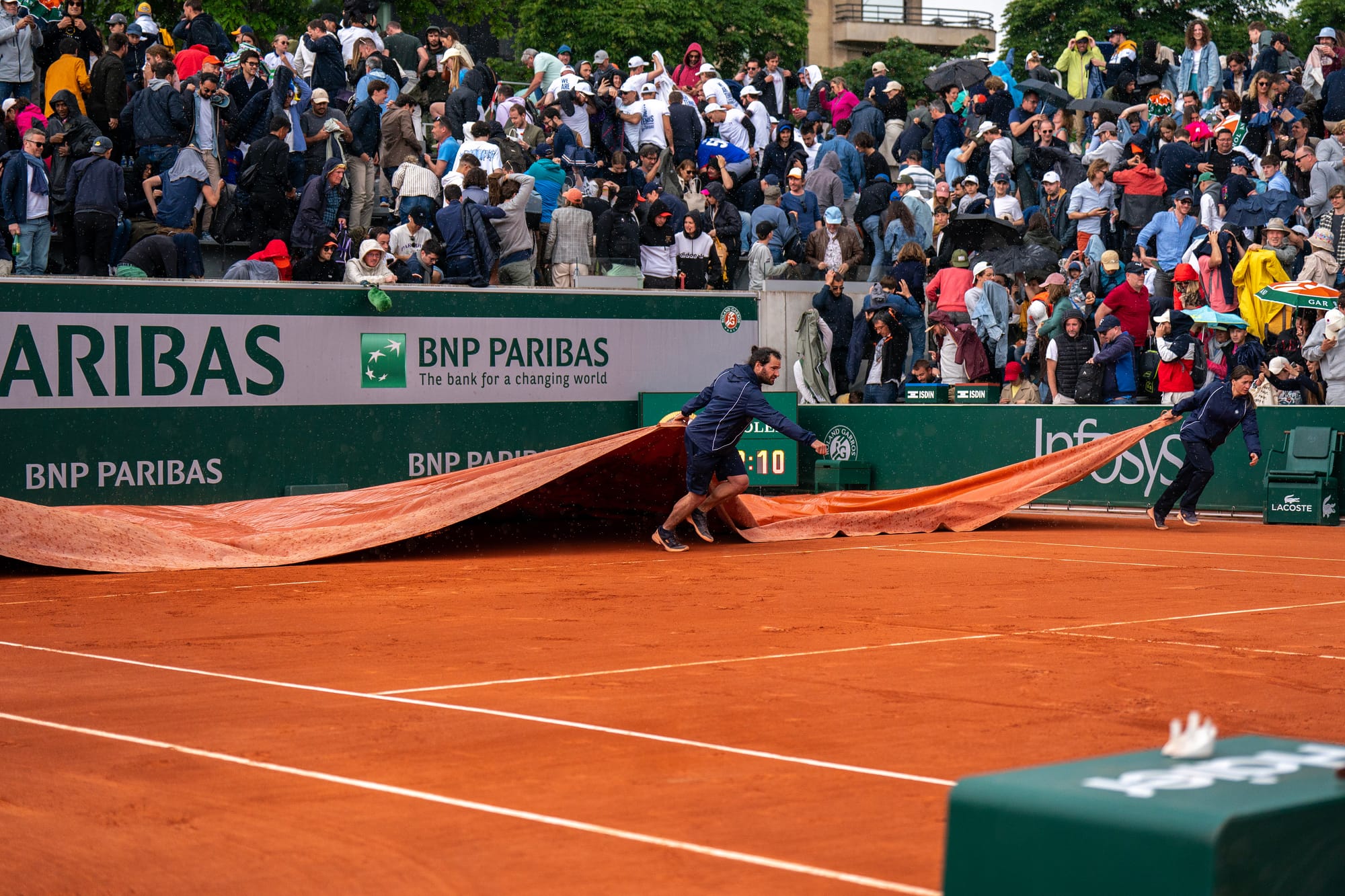
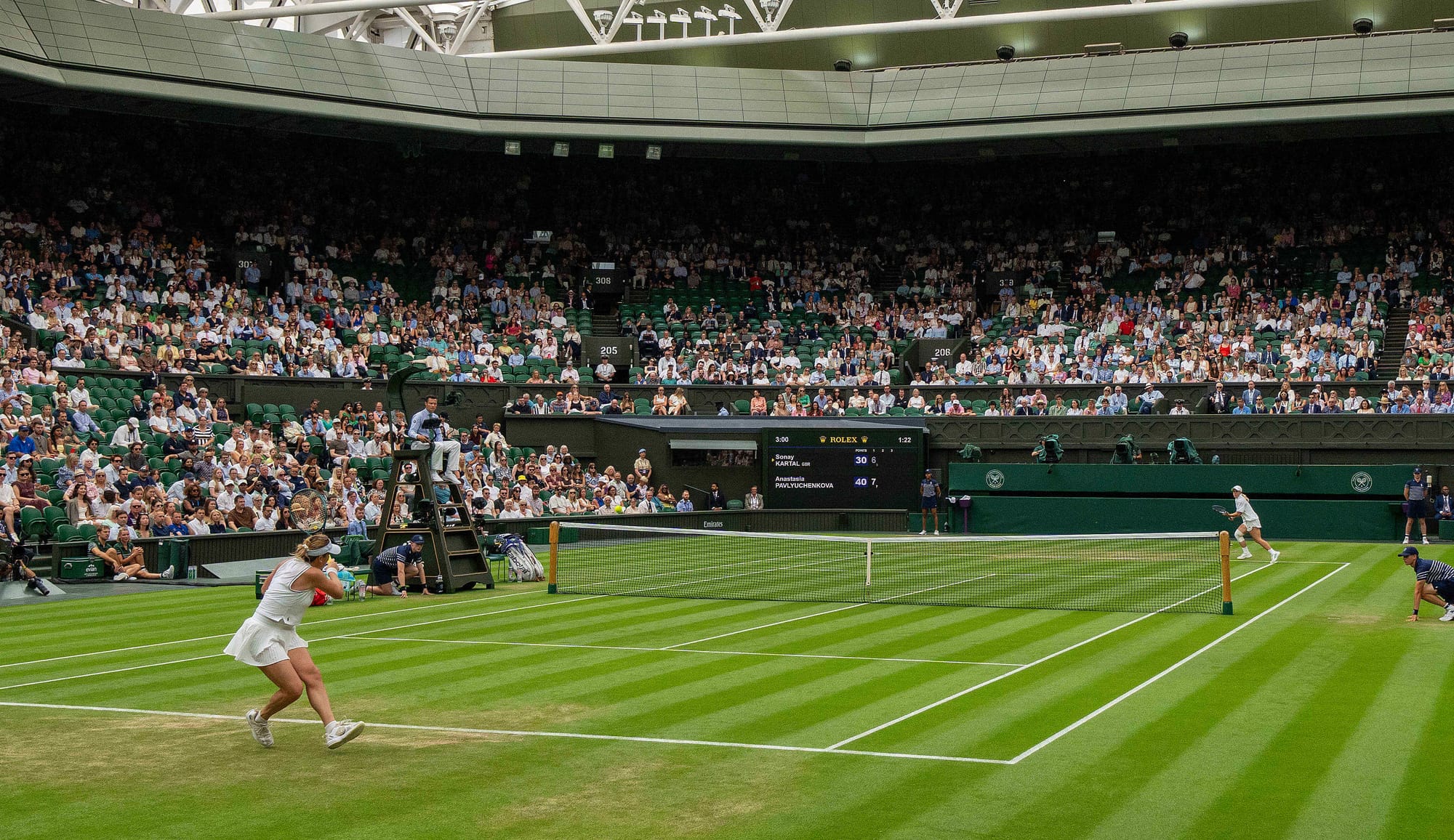
Each court takes a different feel, whether that be Australia's night-life blue or England's primped turf. | Mike Frey (2), Susan Mullane (2)/Imagn Images
The Grand Slams are global events that draw fans from all over the world, each with a unique flavor and personality: Melbourne’s sunny optimism, Paris’ elegant intensity, Wimbledon’s timeless pageantry and New York’s electric chaos.
Played on different surfaces – from the hard courts of Melbourne and New York, to the slow red clay in Paris, to the lighting-fast grass in London – each Slam has its own distinct traditions, atmospheres and challenges. One week, you’re sliding like Rafael Nadal on the red dirt; a few weeks later, you’re trying not to slip on Wimbledon’s perfectly manicured grass. The Grand Slams are a beautiful, unforgiving and brutal test of a player’s skill and adaptability.
Whether you’re a casual fan eager for a tennis initiation, or someone who already follows the tour week in and week out, buckle up. Here’s your guide to the Grand Slams of tennis.
Australian Open: The Happy Slam
In late January, there’s only one place in the world to be if you’re a tennis fan or player: Melbourne.
The tennis season kicks off down under, in the fun-loving atmosphere and blazing sun of Australia. This is the Australian Open, affectionately known as the “Happy Slam.” Roger Federer coined the term back in 2007 during a pre-tournament press conference. “Everyone is kind of happy to see each other after the off-season,” he said. “It’s kind of like the ‘Happy Slam,’ so to speak, because people are happy to play again, happy to see each other.”
While other Slams feel more steeped in tradition or intensity, Melbourne Park radiates laid-back, positive vibes. There’s live music, lively crowds waving flags from every corner of the globe and that one-of-a-kind warm Aussie hospitality. You’ll catch vibrant pink and orange sunsets above Rod Laver Arena and occasional kangaroo sightings. The Australian Open (AO for short) is like one giant summer festival with world-class tennis as the main stage.
“Melbourne feels so livable that it is often hard to leave,” said the Canadian pro, Zhao, a veteran of the WTA Tour.
For the players, the AO is the ultimate re-entry point after the one-month offseason. The courts reward clean, aggressive-style tennis, giving advantage to big servers and strong baseliners. The conditions, however, test everything else.
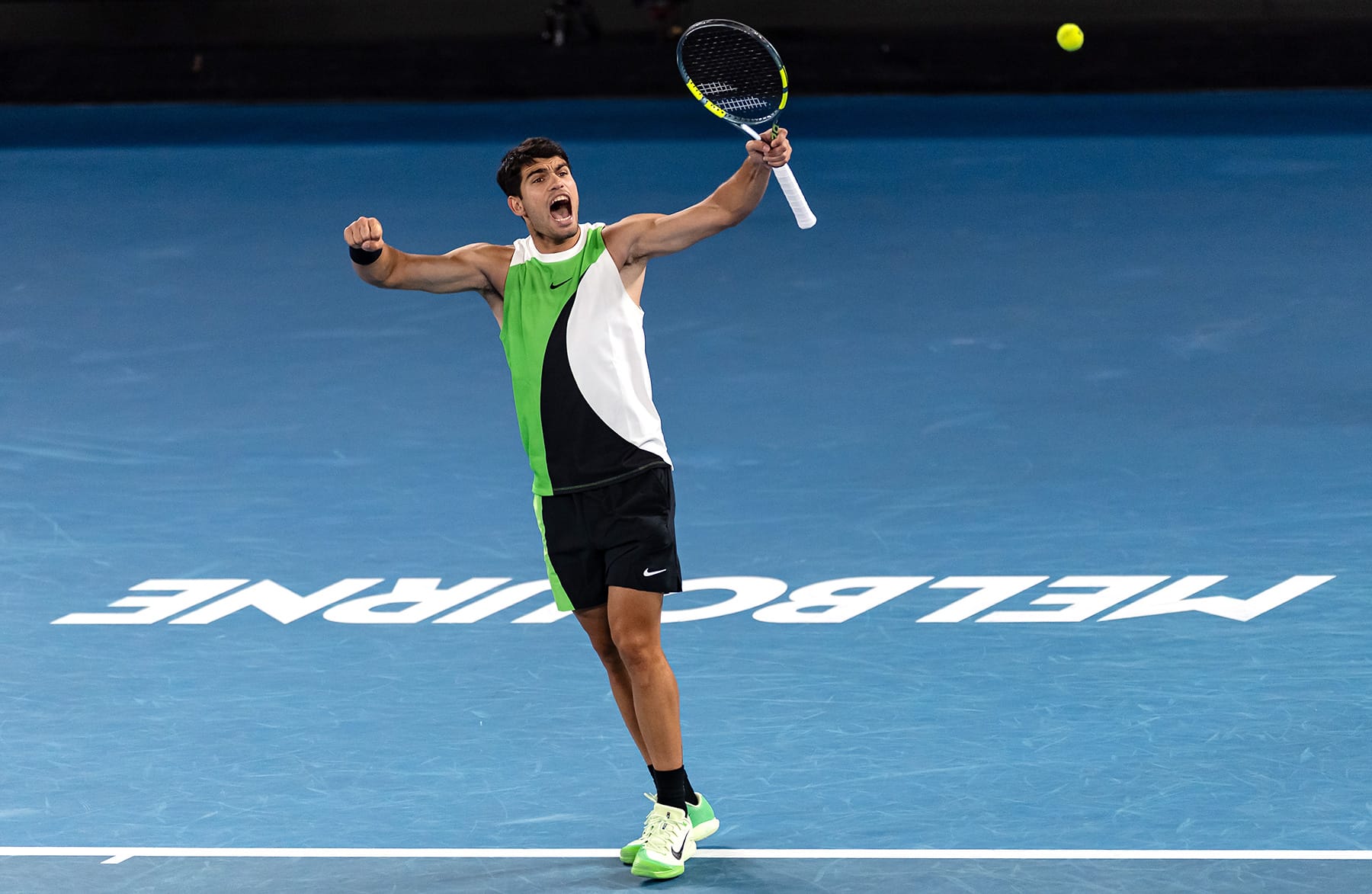
“The courts are different speeds” said 24-year-old Katie Volynets, one of America’s most consistent female pros and currently ranked No. 108 in the world (career-high of No. 56). “The stadiums, for example, are evidently slower. Meanwhile, the outside courts where lower ranked players might play their first round matches are much faster.”
Court-speed variations and extreme summer heat conditions are a true test to what players have been up to in their preseason training regimes. Temperatures regularly climb into the high 90s and on-court conditions frequently push past 100, sometimes triggering the tournament’s Extreme Heat Policy and forcing suspensions of play.
Something that everyone seems to agree on, though, is the food. “[It’s] the best!” said Volynets. “It is so fresh and there are so many options available. You can find so many exotic fruits.” Summer delights like mangoes, lychees, passionfruit, dragon fruit and rambutan are all at peak ripeness during the season. Organizers make an effort to rotate in local chefs and fresh concepts each year, from peach-Melbourne soft-serve and tennis ball doughnuts to classic Aussie meat pies and other culinary surprises.
The AO sets the tone for the whole season. It’s where newcomers burst onto the scene and where fan favorites either embrace the conditions or fall short. It’s a welcoming, highly anticipated but deceivingly difficult way to start the year.
French Open: The Parisian Slam
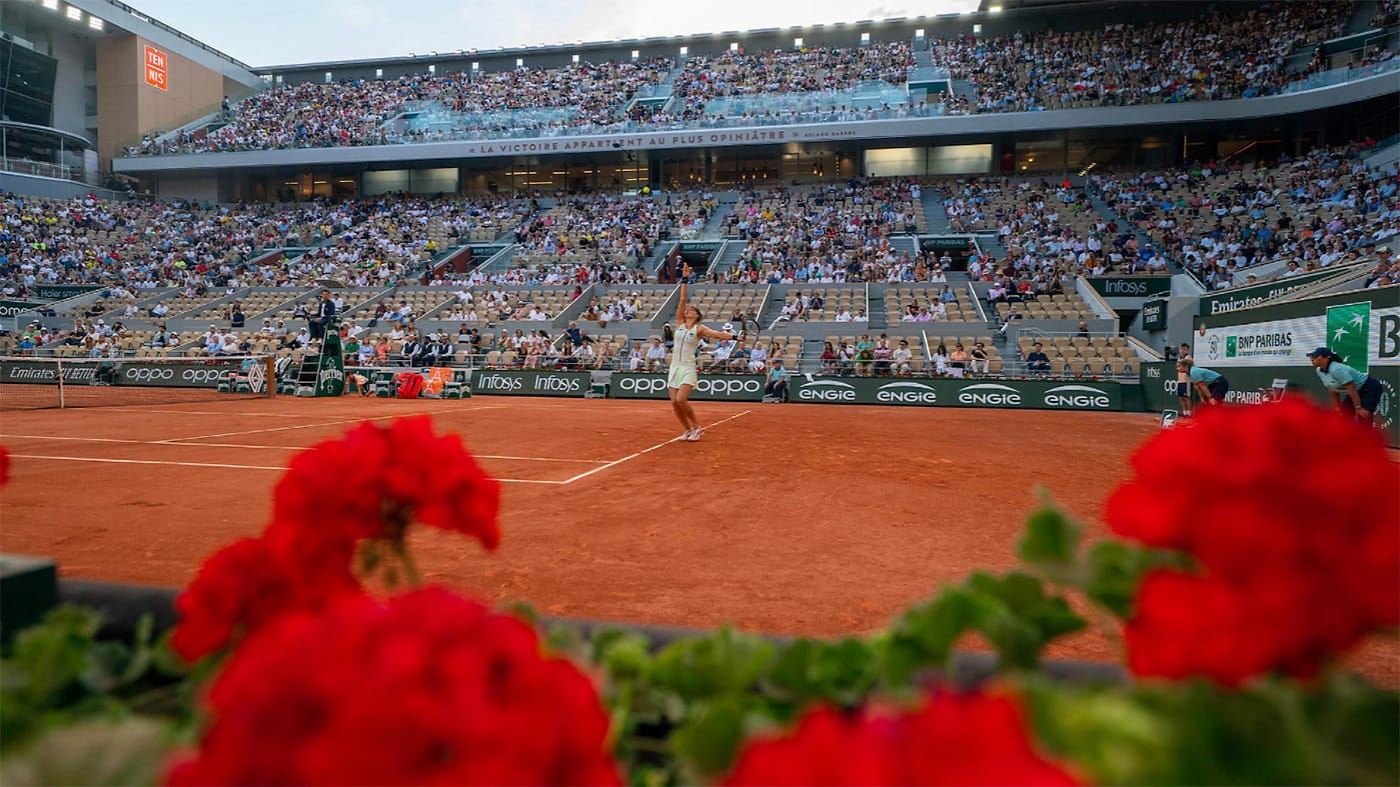
Paris in late May. The city of light, love and — for two weeks — a majestic ballet of physically grueling, poetic tennis.
Roland Garros is the only Slam played on clay. While Melbourne may have a casual, coastal vibe, the energy in Paris shifts into something more elegant and intense. Players slide all over the courts in bruising rallies that test one’s patience and mental endurance. On clay, the ball bounces higher and slower, turning the aggressive-style of play prevalent in Australia into a chess match where spin and consistency triumph.
For many players, especially Americans who typically aren’t used to playing on red clay, it can be a significant adjustment.
“I always hated the French Open,” said Brad Gilbert, a former career world No. 4 who's now a Tennis Channel commentator. “I could never figure out how to play there.” Gilbert never made it past the third round in eight career Roland Garros appearances. Ben Shelton, one of America’s brightest young talents and currently ranked No. 6 in the world, has yet to reach the quarterfinals here either. In fact, the last American man to win the French Open was Andre Agassi back in 1999.
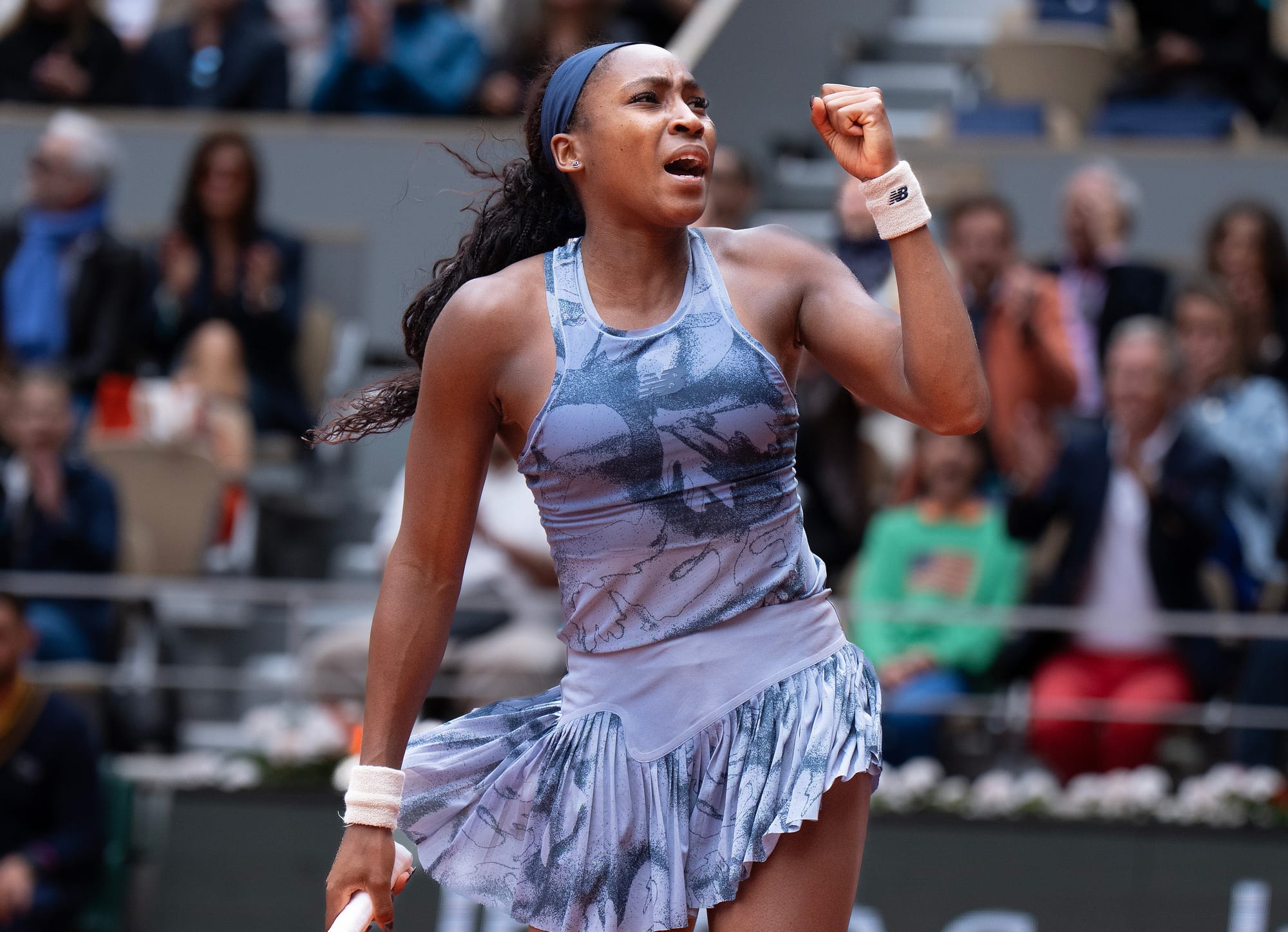
On the women’s side, however, Americans have found more success recently. Coco Gauff captured last year’s title at just 20-years-old. Serena Williams lifted the trophy three times, establishing her place as one of the greats on clay.
Former Swiss star Stan Wawrinka, a three-time Grand Slam champion, has long maintained that the French Open is the most difficult major to win.
The experience is distinctively French: exquisite meals with hunks of Camembert cheese, sweet crepes, macarons and other Parisian delights. Plus, it’s the only Slam where English isn’t the primary language. “Even the score is said in French,” noted freelance tennis journalist Chris Oddo. “It feels very exotic.”
Volynets reminisced about her favorite tournament routines, like staying near the Eiffel Tower, going out for dinners in the lively Paris streets every night and hunting for eclairs.
“In Paris, I love to visit art galleries and museums,” said Zhao.
Another aspect that differentiates Roland Garros from the other Slams is how deeply it lives inside Paris itself. The site is nestled into the 16th arrondissement, just steps away from the Parc des Princes (home of the Paris Saint-Germain football club) and a short taxi ride from the Eiffel Tower. The tournament isn’t happening on the edge of the city, but rather woven into the fabric of Paris.
Roland Garros is where the best clay-court movers separate themselves from the pack. Power meets finesse, Carlos Alcaraz’s crafty drop shots shine and players finish their match with battle marks of red clay all over their clothes. The French Open is a humbling test that rewards those who can adapt, both on and off the court. Paris provides a completely different kind of challenge from Melbourne, and that contrast is what makes the Grand Slams so compelling.
Wimbledon: The Traditional Slam
Early July in London brings the most magical Slam: Wimbledon.
Held at the All England Lawn Tennis and Croquet Club, Wimbledon is a living piece of tennis history. Everything here is pristine, from the strict all-white dress code to the perfectly manicured grass courts that deliver low, skidding bounces and demand sharp movement and timing.
Volynets called Wimbledon her favorite, and she’s not alone. “They have the most beautiful grass courts in the whole world.” Zhao agreed: “Wimbledon stands out to me as it’s a bit of a departure from most other weeks on tour. The unique air of history and sophistication elevates the experience for spectators and players alike.”
Every morning during the tournament, the grounds staff mow the courts so that each blade of grass is a precise 8 millimeters. The courts are treated sacred, especially the show courts, which are kept almost completely off limits outside of the two weeks of The Championships.
What makes Wimbledon even more iconic are its beloved traditions that have been perfected over nearly 150 years.
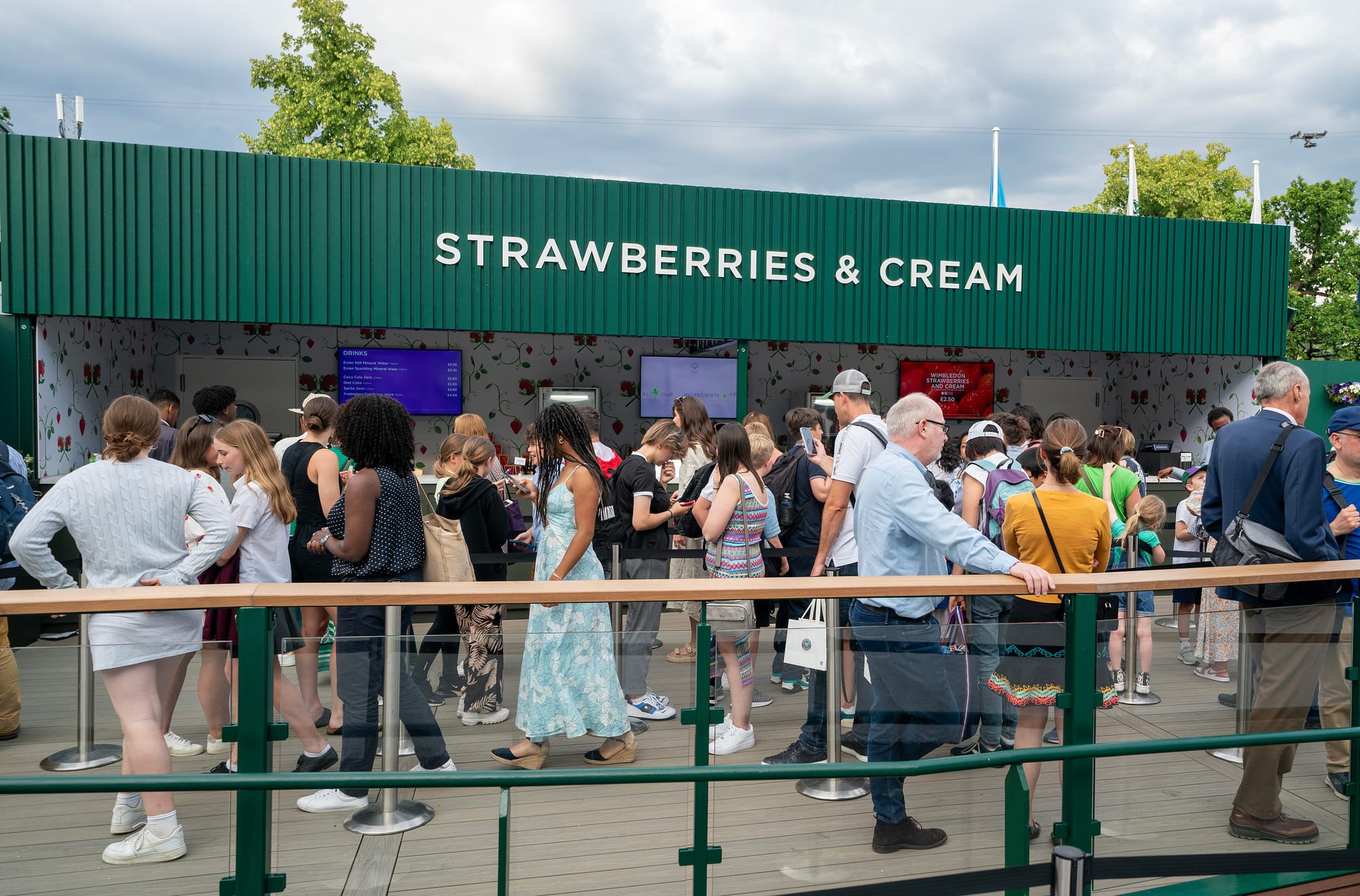
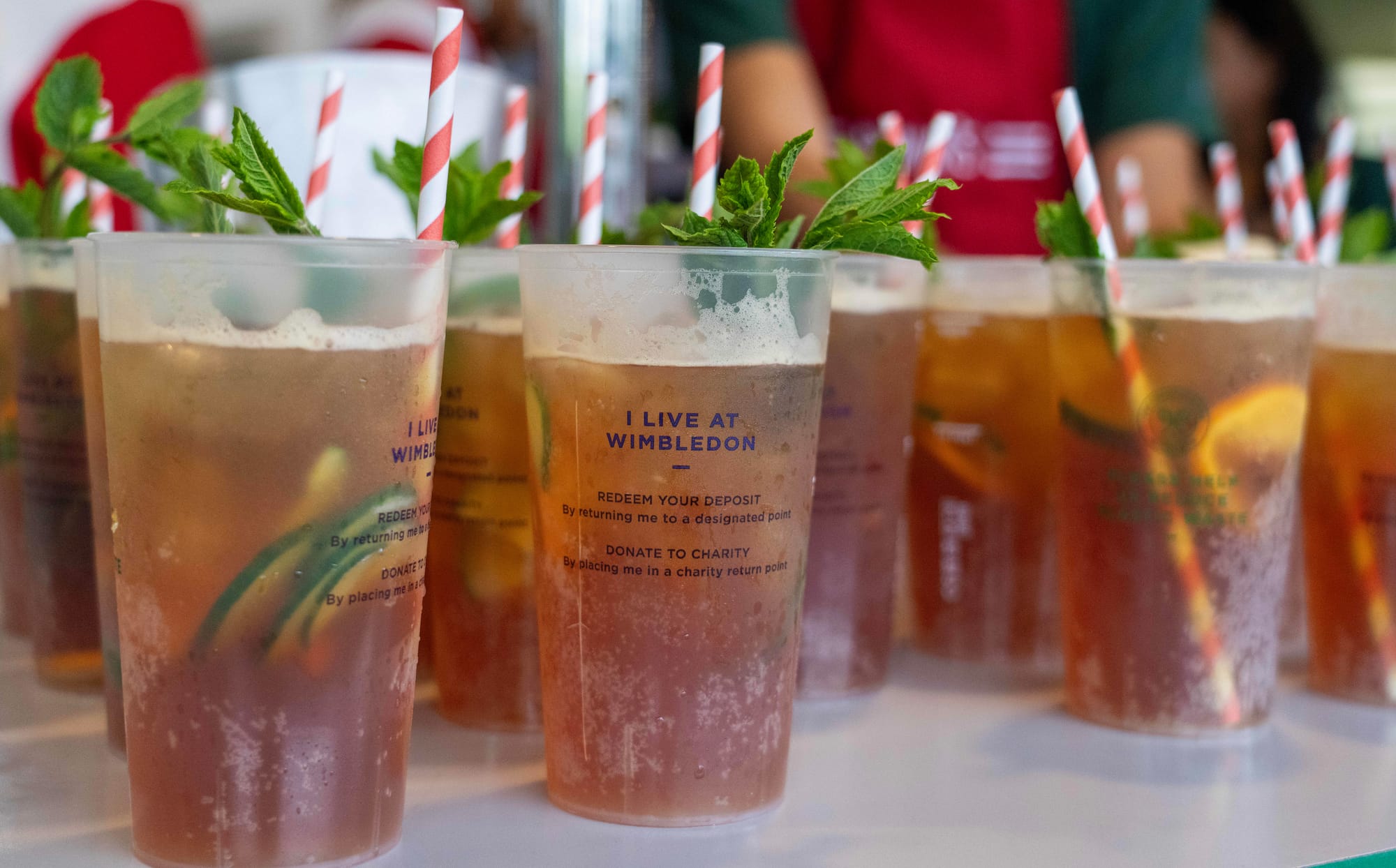
Wimbledon’s refreshments have taken on a life of their own, with the tournament selling roughly $855,000 worth of strawberries and cream each year and Pimm’s cocktails (right) flowing throughout the grounds. | Susan Mullane/Imagn Images
Take the strawberries and cream (Volynet’s personal favorite). Every year, more than 2.5 million strawberries are delivered to the tournament from a single family farm in Kent. They’re picked the same morning and delivered on-site by dawn.
“Some people think that the cream is supposed to be sweet when they try it," Volynets said. "But actually the strawberries are the sweet part!”
Another of Wimbledon’s quintessential traditions is the Queue, one of the most charmingly British things in all of sport. Dedicated fans start lining up the night before, camping out overnight for tickets to the big match courts. There’s also “The Hill,” where thousands of grounds-pass holders spread out picnic blankets and crack open a refreshing Pimm’s (Wimbledon’s signature cocktail) while they watch the matches on a giant big screen on the grassy bank outside Court 1.
Fans roam the grounds dressed to the nines in tailored summer dresses, crisp linen suits and statement hats. Over on Center Court, the distinguished Royal Box regularly hosts the British royal family. You’ll see Kate Middleton, the Princess of Wales (and an official Patron of the All England Club), who frequently attends the later rounds of the tournament with Prince William and their children.
There’s a sort of magic about Wimbledon. It was the first Grand Slam, dating all the way back to 1877 when the inaugural Championships were held at the All England Croquet and Lawn Tennis Club. It’s the only major still played on grass, preserving traditions that have defined the sport for nearly 150 years.
** MORE FROM GRANDSTAND: A Night Out in Wimbledon's Storied Queue
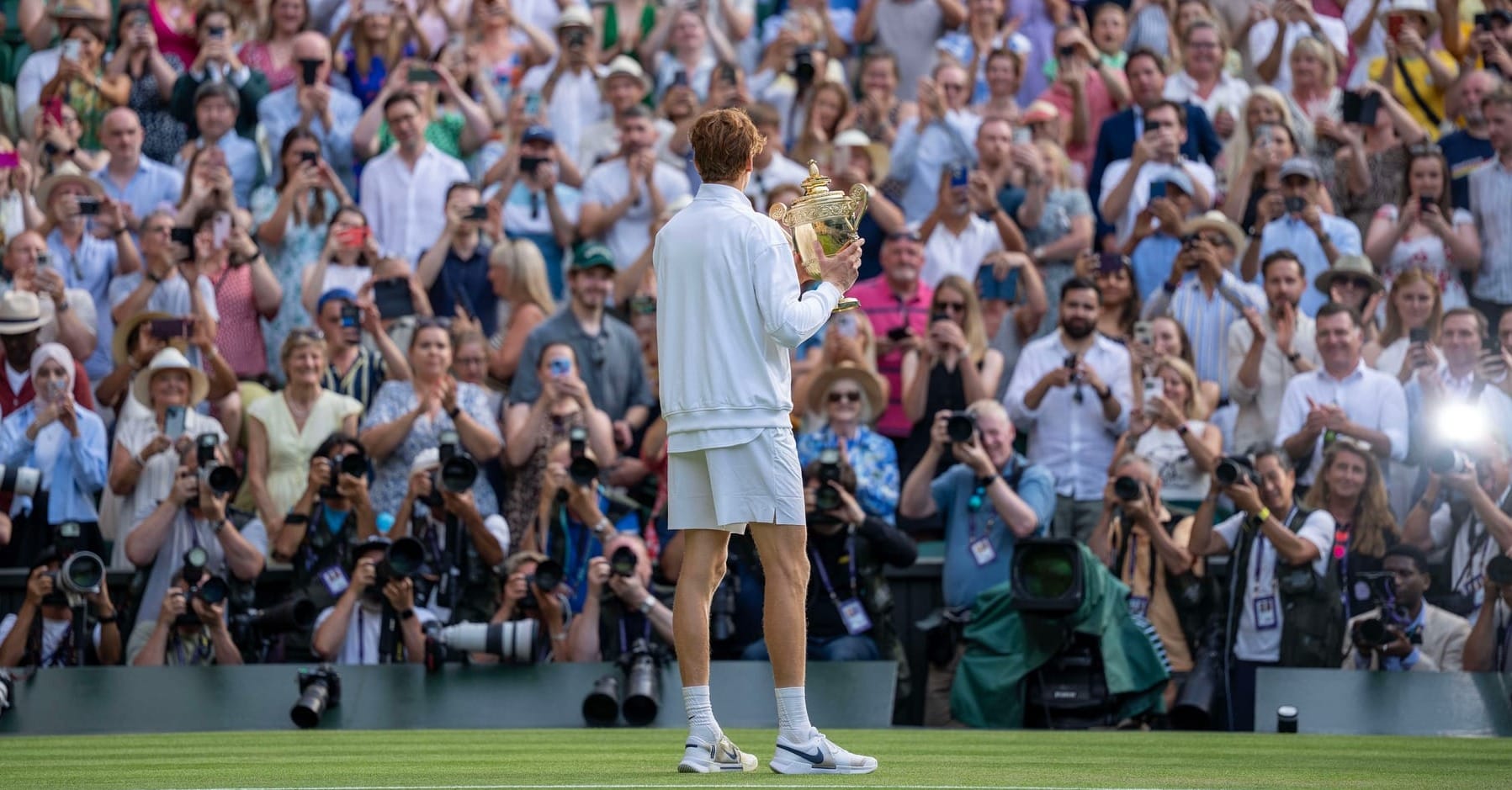
The quiet lawns of SW19 (the postcode for the All England Club in southwest London) offer something quieter, more refined and entirely unforgettable. There’s a true and simple love for the game in the English air. No loud music or blaring video screens.
“You're with all these like-minded people who are absolutely freaks for tennis,” Oddo explained. “They don't need any of the extra stuff.”
US Open: The Electric Slam
Late August brings the final Grand Slam of the year to the bustling streets of New York City. Night matches under the lights in the largest tennis venue in the world, air thick with humidity and a loud, unapologetic crowd: cue, the US Open.
After the quiet elegance of Wimbledon, the tennis tour lands in the Big Apple for a total change of pace. “The New York crowd and atmosphere is electric, especially during night matches,” said Zhao.
Planes rumble overhead on their final approach to LaGuardia, just four miles away. Flashing video screens fill the grounds and passionate fans roar after every winner and groan at every double fault. The fast, hard courts favor bold and attacking tennis, but the sticky summer heat adds its own brutal challenge.
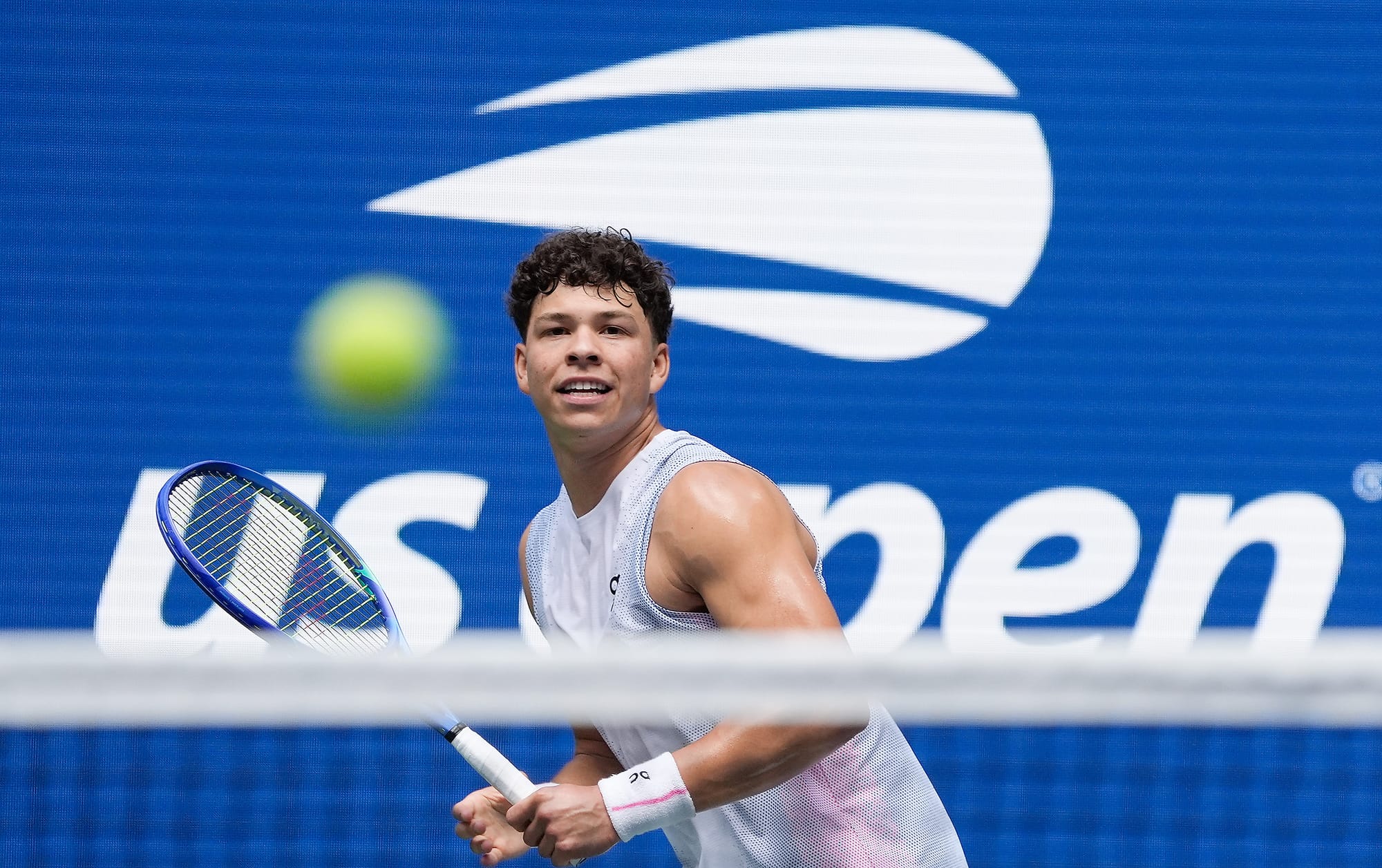
“As an American, it’s your home Slam. As a kid, I always dreamed about playing at the Open,” Gilbert said.
Some players love the electric atmosphere, feeding off the noise and late-night drama. Others, however, find it overwhelming. Daniil Medvedev has lived both sides. After being booed during a match, Medvedev famously told the New York crowd with a grin, “I love your energy, guys.” The line has since become an iconic part of US Open lore and a perfect summary of the tournament’s love-hate intensity.
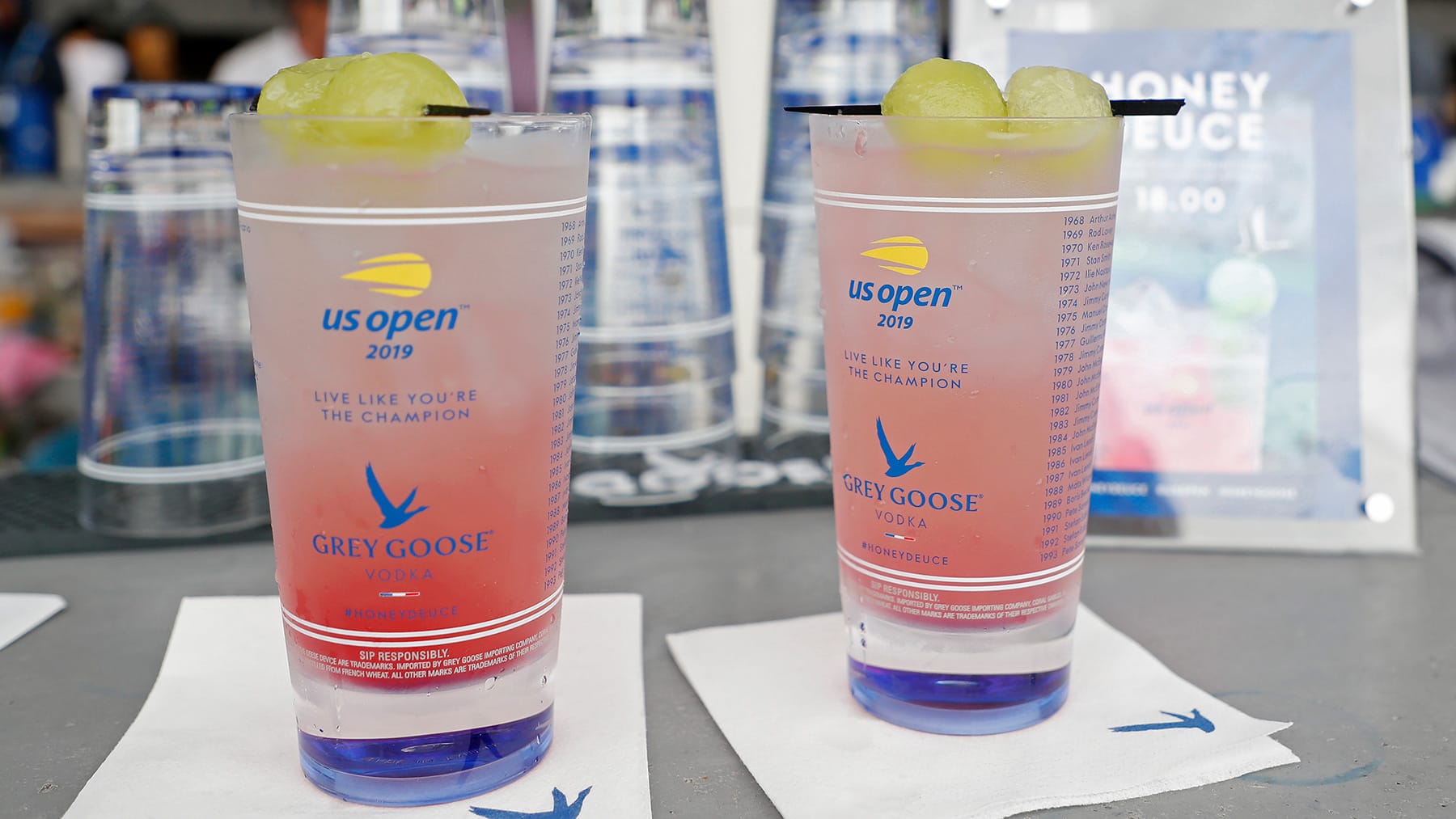
Held at the Billie Jean King Tennis Center in Queens, the US Open knows how to throw a proper New York party. Fans stroll the grounds with a Grey Goose Honey Deuce cocktail in one hand and a classic New York hot dog in the other.
To that point, the food scene at the Open is as diverse as the city itself. You’ll find everything from crispy fried chicken nuggets topped with caviar, slow braised-beef tacos, fresh sushi, Neapolitan-style pizzas and refreshing Van Leeuwen ice cream to help beat the summer heat.
The food and drinks become part of the spectacle itself. The US Open makes for a loud, colorful crescendo to the Grand Slams: flashy energy, big-stage drama and pure New York hustle all wrapped into one unforgettable fortnight.

So there you have it: the beautiful madness of the four Grand Slams.
Melbourne's cheery summer days. Paris’ poetic clay battles. Wimbledon’s timeless elegance. New York’s big-city energy. Each offers its own flavor and challenges, but each delivers two weeks of the greatest tennis in the world.
“They all have their own unique personalities and challenges, but I think as players we all revere and appreciate the opportunities to compete on any of these stages,” Zhao said. “It’s what we dream and work for our entire lives.”