Man On A Mission
His helmetless tackle in Florida’s national‑title win over Ohio State will forever be remembered in Gators lore. Twenty years later, that familiar relentless drive fuels Earl Everett’s purpose: giving students the same support that once shaped him.
It was a normal school day for Earl Everett.
The bell rang as he sat in the library, wearing his usual South Sumter Raiders gear, waiting to talk to any student who needed him. Suddenly, one comes up with a new revelation: “He said ‘Coach! I didn’t know you were famous?’” Everett recalls. In that moment, Everett was not just a friend, mentor and confidant. He was an icon.
Jennifer Hooten, a teacher at South Sumter High School, had just shown her government and economics class one of the defining moments of Everett's life, letting every student know how special Everett is to the high school.
It was a clip of George W. Bush. With the Gators visiting the White House, the former president turned his head and looked at the kid from the middle of nowhere, who stood in the front row of the 2006 Florida football national championship team – right next to Urban Meyer.
“I remember linebacker Earl Everett,” Bush said, recounting Everett's helmetless tackle in the 2007 BCS national title game victory over Ohio State, a play that remains the first memory many UF fans associate with him. “I’ve seen that face before, so has the whole country. You might remember Everett lost his headgear. He didn’t lose his head but he lost his headgear and went on to make a great tackle in a key moment. That’s called tough defense.”
Everett still gets chills from the presidential seal of approval, but he considers himself no celebrity. Since returning to Sumter in 2014 after his football career ended, Everett has towered over the halls of his alma mater, mentoring students who remind him of the kid he was three decades ago.
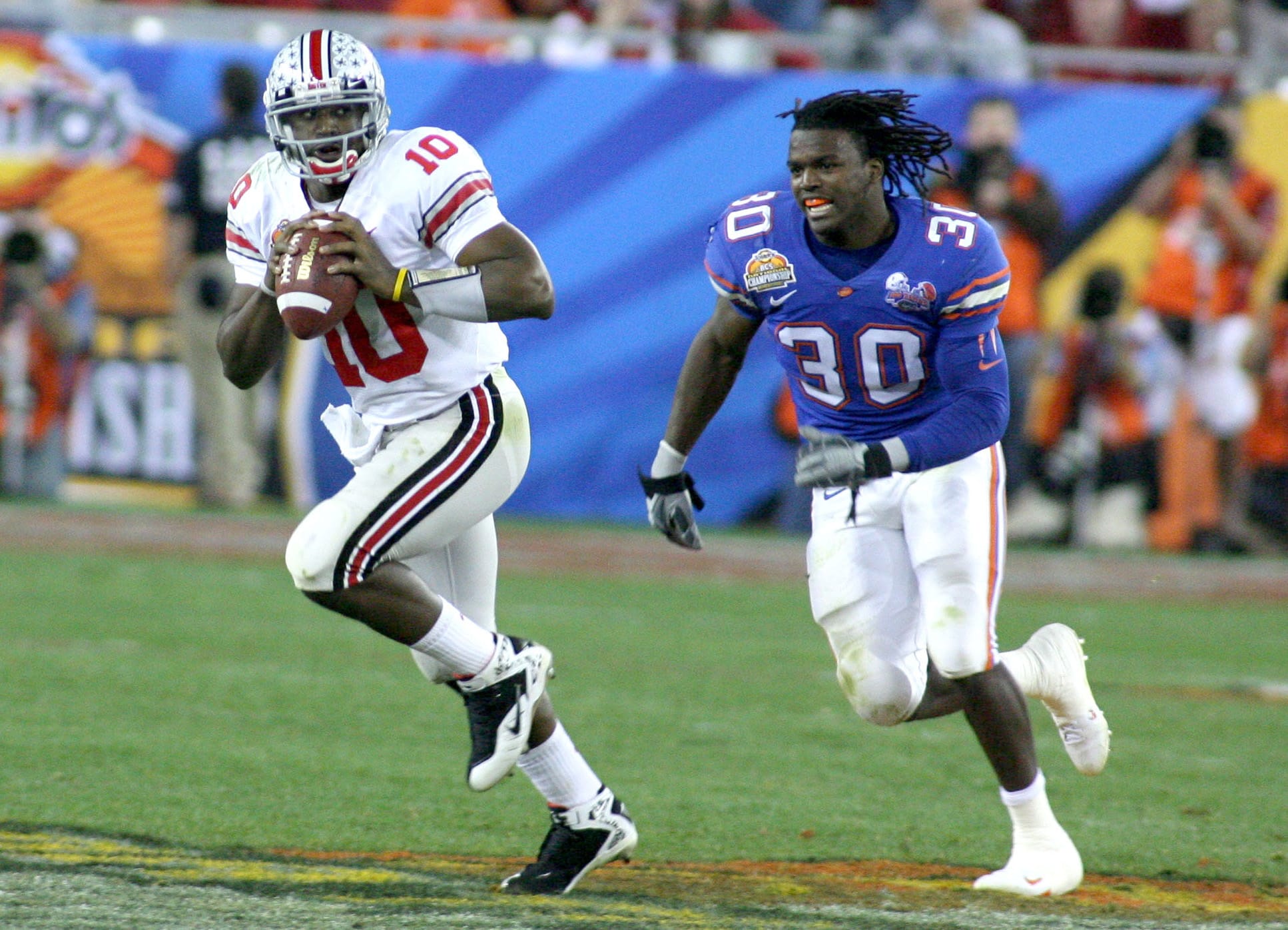
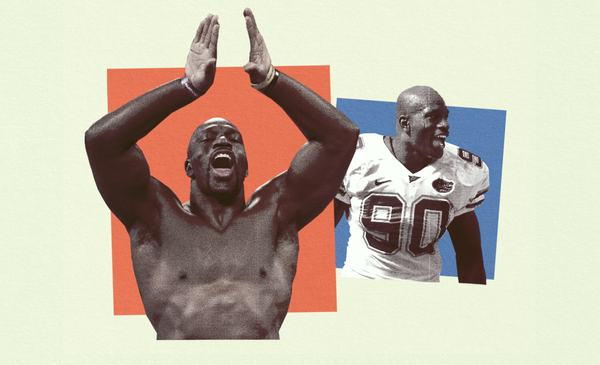
But in that national championship game, he was an outside linebacker, his dreadlocks desperate to escape the Gators' signature orange helmet. A suffocating UF defense left Ohio State with no answers, not even Heisman Trophy winner Troy Smith. By night's end, the Gators had dismantled the Buckeyes 41-14. Everett became the most visceral image of that evening, delivering a hit so violent that it reached the White House and helped define him for decades, regardless of how much he has changed since. Today, that image belongs to a bald, middle-aged man now known for his empathy, one who spends his days gently lifting up others.
For Ohio State, on that January night in Glendale, though, Everett provided anything but peace.

Third and 12, 11:31 left in the third quarter. BCS National Championship game. Jan. 8, 2007. Defensive coordinator Charlie Strong set his defense up in a single-high safety look, the free safety creeping toward the line of scrimmage. Florida's linebackers shifted a step toward the line. Even an average high school quarterback could see this pressure coming. Smith gazed forward.
Everett arrived in Gainesville in 2003 as part of the first full recruiting class assembled by Ron Zook, who had replaced Steve Spurrier – the "Head Ball Coach" – a year earlier. The replacement was fired three seasons, 14 losses later.
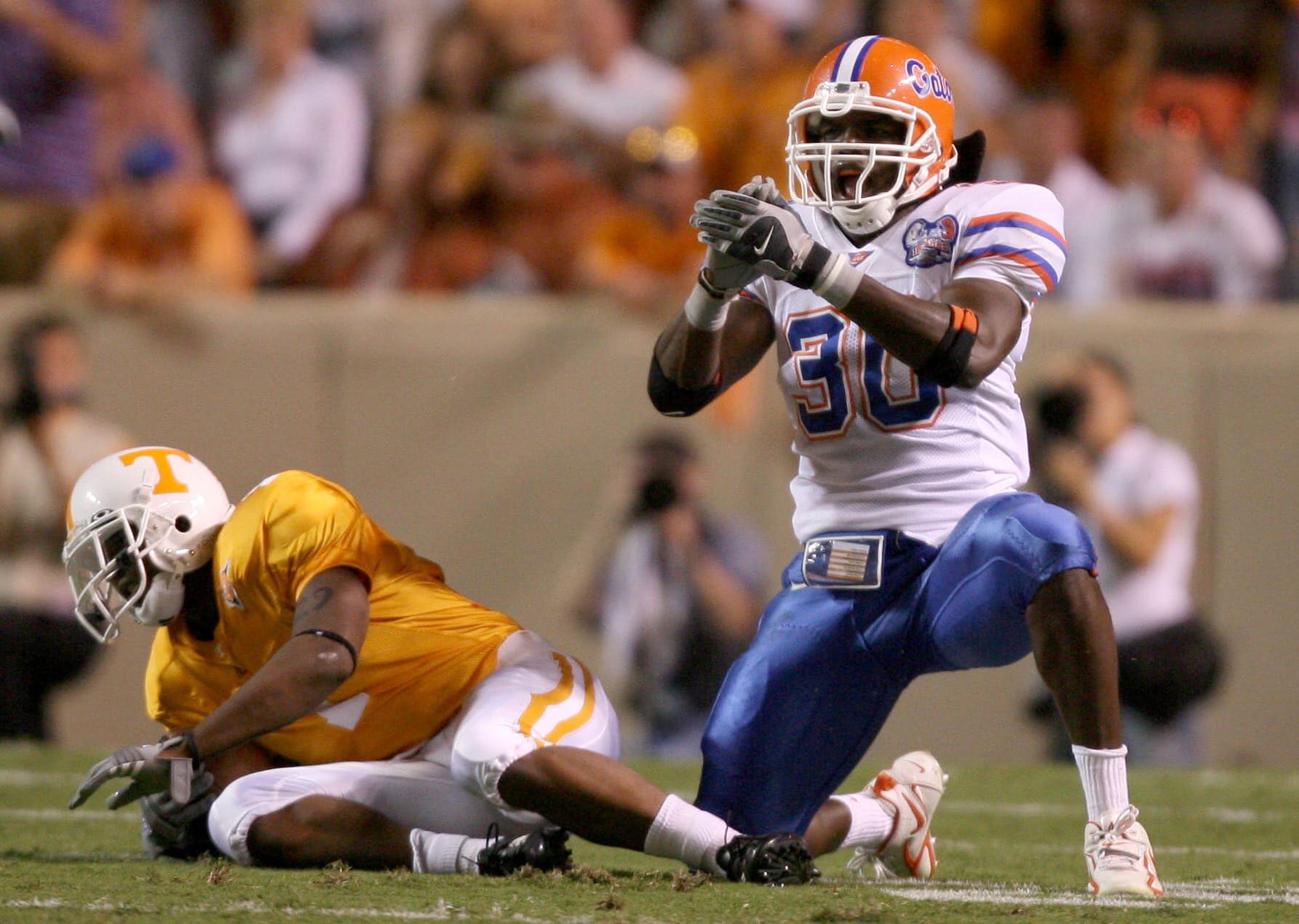
Everett and Co. heard stories of what Spurrier left and felt overshadowed by the accomplishments of the 1996 championship team, the Gators' power in the college football world dissolving with Everett a guest in the landslide. During the struggles of the Zook era, younger players heard more about UF's past than its future. Everett’s accolades, such as SEC All-Freshman team or 2004 second-team All-SEC, went largely unnoticed in the shadow of Spurrier’s legacy.
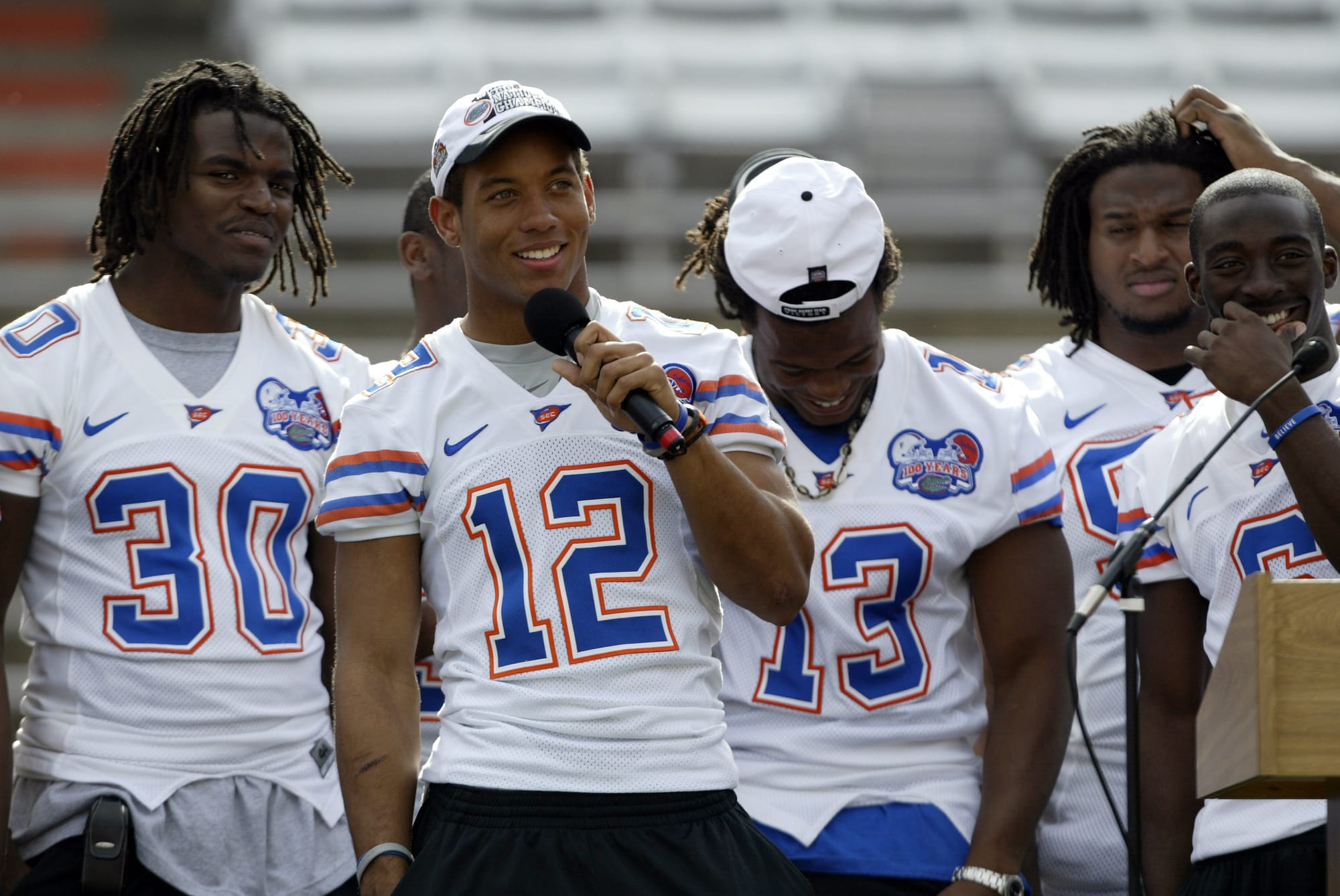
“After losing a person like Spurrier, nobody’s going to give you a chance,” says teammate Steven Harris, a defensive tackle. “That chip on our shoulder brought us together.”
After the ball was snapped, five Gators sprinted toward Smith, another lurking as a spy. They crashed into Ohio State's line in seconds; in less than two, they were near a rattling convergence, the 35th sack of a dominant season. Running wasn’t an option. Smith had to throw or get rocked.
In 2005, UF hired a 40-year-old coach who had just led Utah to an undefeated season and a Fiesta Bowl victory. Urban Meyer, though, was sure to shake the status quo, the program's leadership said.
His first team finished 9-3, and semblances of domination bubbled well enough to suggest a program transformation. Reports of Friday-night workouts spread, and players talked about "hate" and "violence," the new Gators – Meyer's Gators – comfortable becoming an SEC enemy.
Everett was one of many holdovers who helped drive this transformation, alongside Chris Leak, Jarvis Moss and Harris. He became a force off the edge, swallowing up quarterbacks and terrorizing offensive tackles.
Smith rolled right, successfully evading five of the six converging defenders. Ohio State trailed by 20 at this point, Smith still looking for passing yard No. 20. His feet glided out of the pocket. But his eyes: downfield.
A few days before the championship, after both teams arrived in Phoenix, Everett and several teammates said they spotted Smith shopping at Louis Vuitton for sunglasses. “We asked him, ‘Are you really buying some $300-$400 sunglasses?’ and he gave some excuse,” says Everett, weaving through the week leading up to the championship. Ohio State partied, he says, regularly going to clubs in Phoenix during the evenings and embarking on shopping sprees during the day.
This wasn’t the NIL era where it's common for a college athlete to frequent designer stores and don clothing that would make an NFL practice squad player’s jaw drop. Everett saw it as added disrespect. The Gators strutted their orange-and-blue team-issued jumpsuits as they arrived at State Farm Stadium.
“I felt like Ohio State felt they had already won the game,” says Everett. The media overwhelmingly favored the Buckeyes. The film, however, revealed weaknesses the Gators believed they could exploit.
Smith never saw Everett coming as he stepped forward, steadying for his throwing motion. The next second, he was hit from behind, soon sprawled out on the ground, all parts of his body sinking into the grass. There was no more chance of evasion, no more chance at a big play.
For the rest of the evening, the chase was on. Smith’s final stat line: 4-for-14 passing for just 35 yards, one interception and minus-29 rushing yards. The Gators didn’t just win their second national championship in school history and first since 1996 — they dominated, jolting the college football ecosphere awake.
When Harris learned that Smith didn’t return requests for comment regarding his perspective on the hit and the game, he responded: “He’s probably still running for his life right now.”
From the ground, the Heisman winner looked up. Standing over him, Everett’s facial expressions were clear as day, his dreadlocks waving through the air in celebration. The crowd erupted at what it witnessed. The bright orange helmet with blue script was 9 yards back, lost in the chaos of the drama. In a game that was already out of reach, the helmetless tackle became the defining symbol of UF's dominance.
“It just reminded me of who he was, the relentless type of player, the effort not to flinch,” says Harris. “Not many people have their moment in Gator nation where it’s iconic.”
The country — 28.8 million households, to be exact – watched as the Gators looked like they were in a different league compared to Ohio State. In a small Sumter County home, an older woman watched in excitement, combined with a flurry of nerves. She never attended any of Everett’s games. Her fear: the leader of the Gators defense had never been medically cleared to play football. As his grandmother and caretaker, she could not bear to watch him take that risk.

Sitting in a classroom, Everett thinks back to where his journey began.
"We used to take a bus from Bushnell, Florida, to Shands Hospital once a month when I was 7 or 8 years old," he says, thinking, eyes wandering. "I’m waiting in the doctor’s office and there’s a Gator game on the TV. I see guys catching touchdowns and I thought these Gator guys were cool. That’s when I became a Gator fan."
But the bus rides were what meant the most. Everett’s grandmother, Eunice Williams, raised him and his three siblings. “She was my why,” he says. Because, as a child, Everett had epilepsy, the reason for all those Gators games watched at Shands. The condition meant he was placed in Exceptional Student Education (ESE) classes until high school. “I was picked on as a kid by family members and friends," he says. "They’d say I was retarded because I was in these classes.”
Williams took Everett to church every Sunday and asked deacons to pray for her grandson. “She’d tell me 'God always has the last say so. As long as you stay humble and keep God in your corner, good things will always happen to you,' ” Everett says.
By ninth grade, Everett had outgrown epilepsy, was off the medication and returned to general education classes. Everett said going through the trials of epilepsy made him a little stand-offish and quiet, a trait that was apparent during his time as a Gator. Harris was quick to nickname Everett “The Quiet Assassin" due to his unrelenting commitment to the game and the lack of words that come with it. But it unintentionally gave him a deep sympathy for those dealing with disabilities.
Everett signed with Cincinnati Bengals as an undrafted free agent in the months after the national championship season. But after injuries and the realities of NFL roster limitations, he found a new path in 2014, one that could even include football.
“He chose to come back and give his gifts back to his high school,” says Eunice Cilenti, the ESE instructor at South Sumter High School.
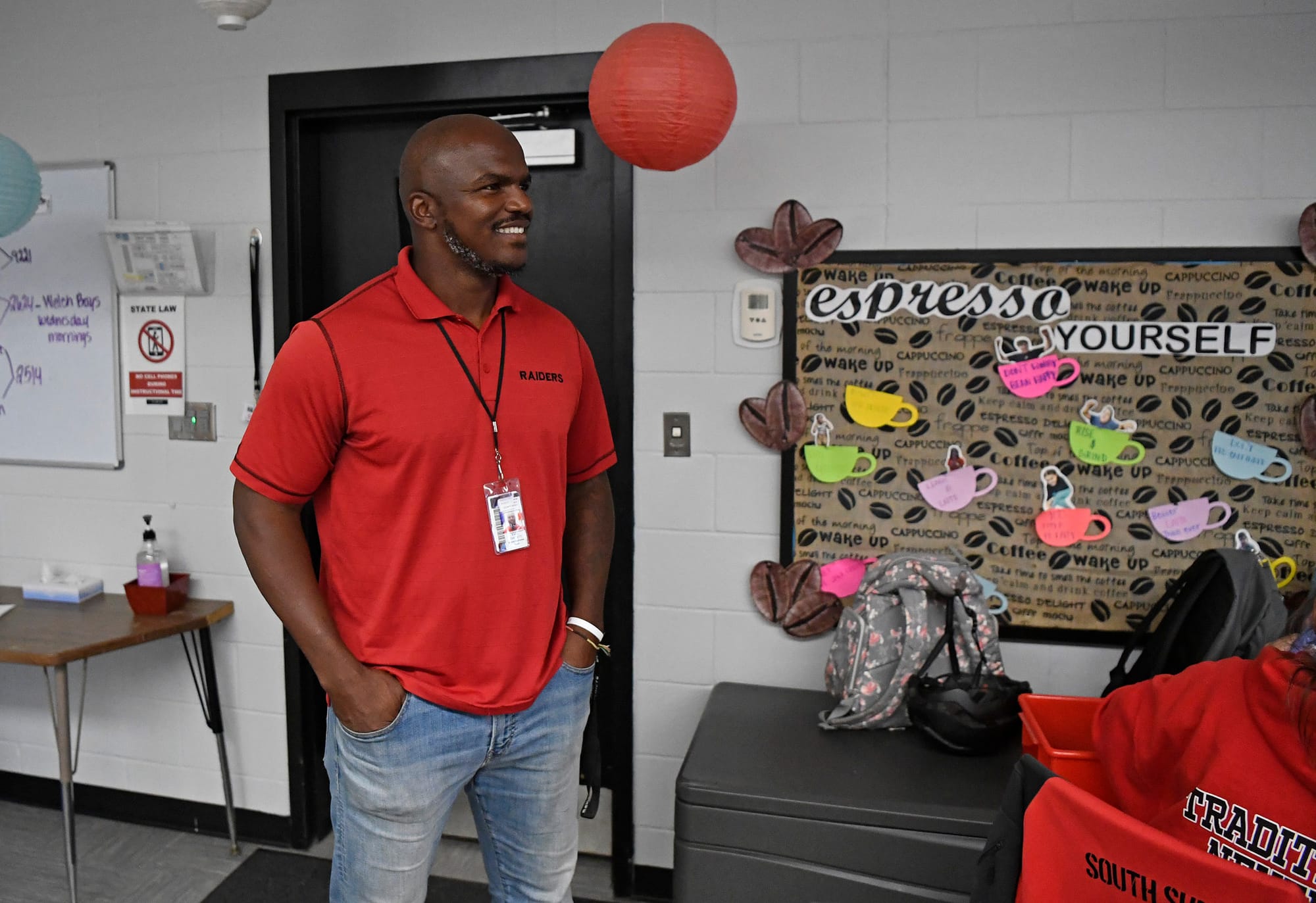
Everett initially split his time between supervising in-school suspension and helping wheelchair-bound students in the ESE department. Naturally, he soon became the linebackers coach for the high school's football team. But from the minute he arrived, he found where he could make the biggest impact.
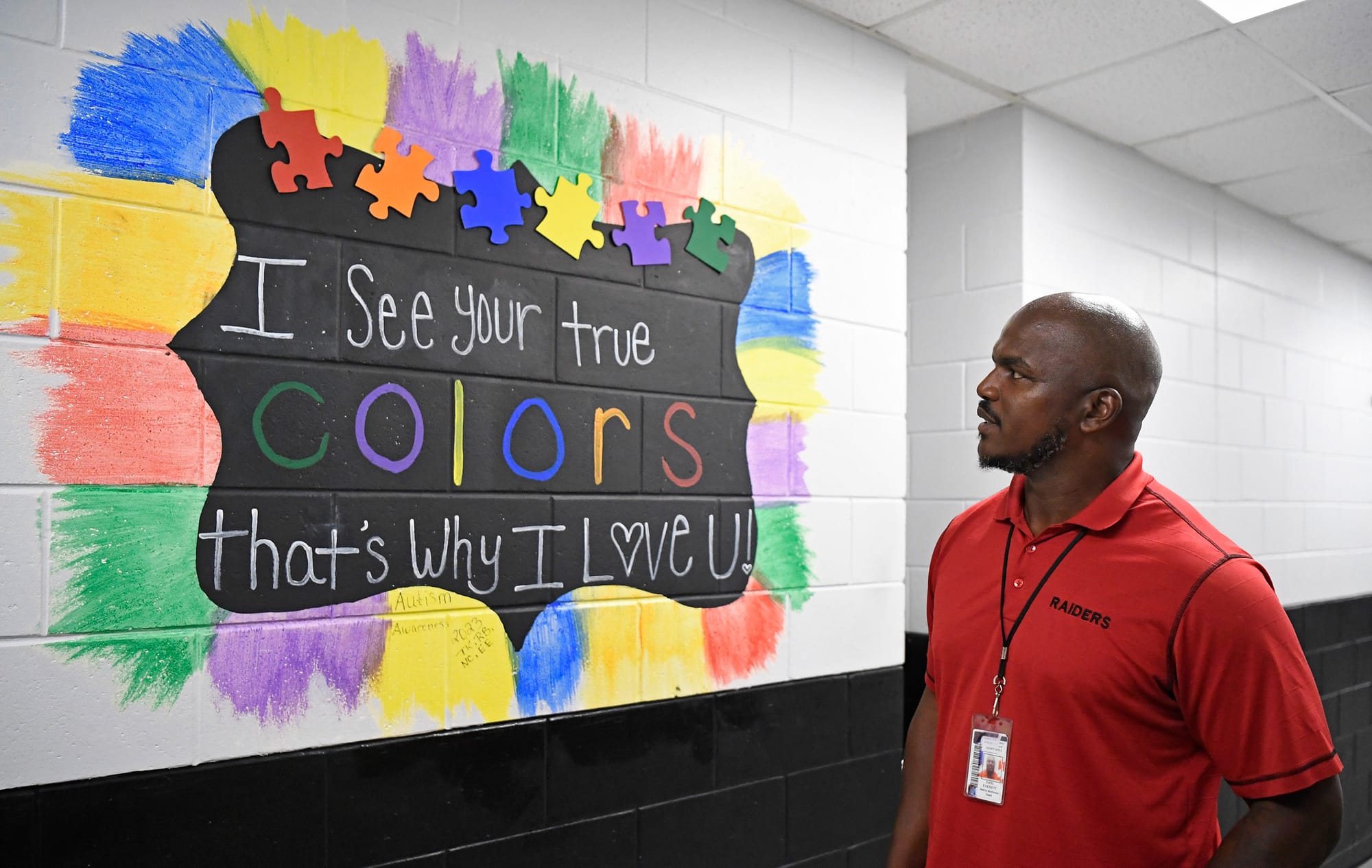
“In the ESE department, I felt like I was one of those kids,” he says. “I had a soft spot for a lot of these kids because I can relate to them.” After getting picked on as a child, Everett wanted to craft an environment that gave ESE students a fair shot in school, an environment he didn't experience.
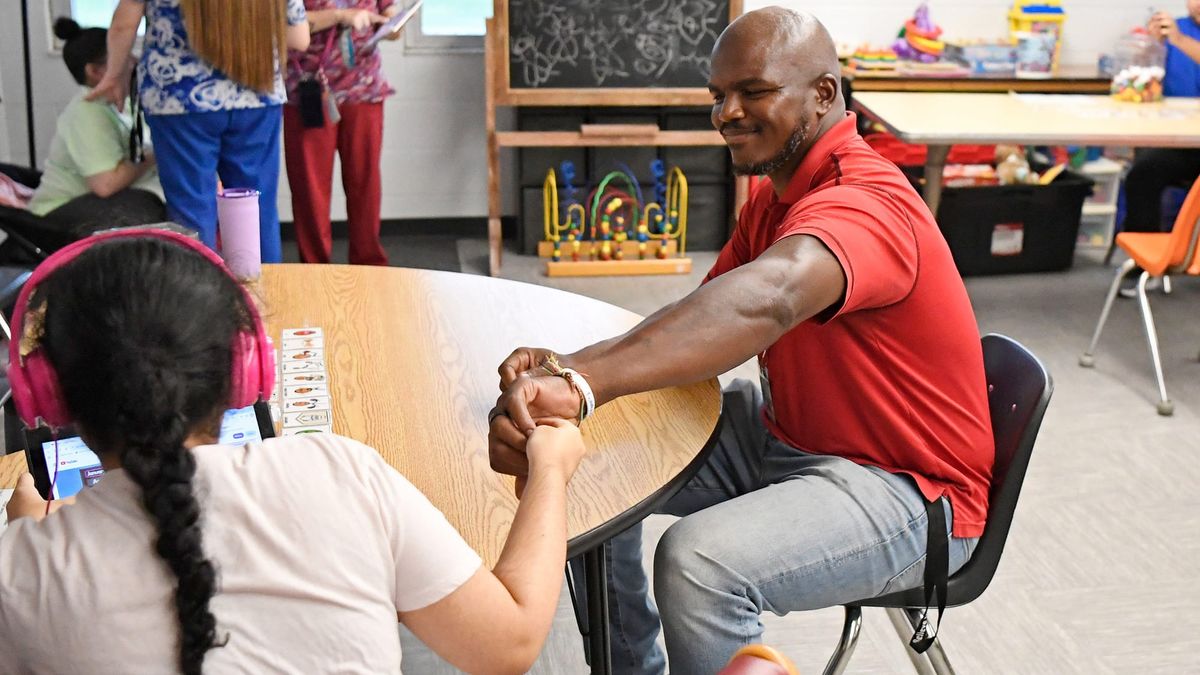
Whether he was lifting kids out of their chairs, communicating with students who were nonverbal or helping with eating, Everett was a staple in the self-contained classroom. Cilenti says Everett's presence helped set the standard for behavioral expectations; when he was there, any issues stopped.
In one classroom, Cilenti has taught students with cerebral palsy, autism, intellectual disabilities, Down syndrome and even a student in remission for leukemia. The program supports a variety of ages, not just the typical range for high school students. One student has been with Cilenti since third grade. The difficulty and complex problems a teacher can face in a self-contained classroom is immense. But with Everett, the workload got lighter.
One student who has been in the program since fourth grade also has epilepsy. When Everett arrived, Cilenti had no idea he once battled epilepsy, but after finding out, she leaned on his experience. Everett kept an eye on the student and when he saw twitches or triggers, he’d address it. “He’d alert me to certain things that I would never know,” Cilenti says.
That dedication for service and natural ability to care for others has always been with Everett. Growing up, his grandma would routinely take in foster children, treating them as her own before they found a permanent home, all while juggling taking care of Everett.
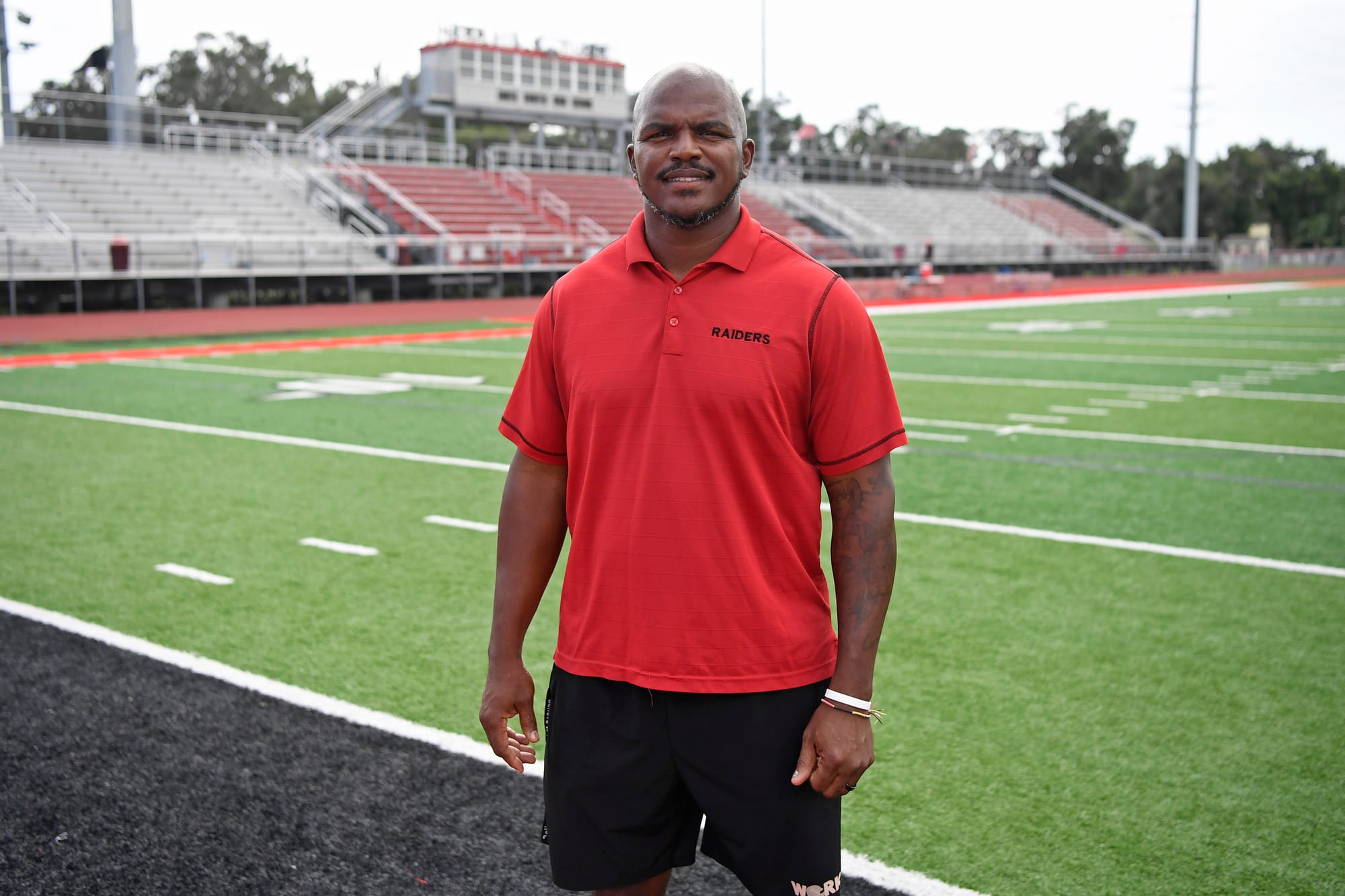
“Watching her care for those kids is just something that as I grew older, I was so used to seeing that all the time that it just came natural,” Everett says.
“If you wanted someone to visit a children’s hospital, go for community service or to a charity event with you," Strong recounts from their Florida days, "he would be the one to ask because he was more than willing to go."
Everett doesn't see it as work. He says there’s never a bad day when he’s with the ESE students and it’s worth the 47-minute drive. You’d be mistaken if you thought it was a simple commute to the high school. For the past five years, Everett has lived in Tampa with his wife, Candis, and their two sons.
The family moved because of Candis' job at a Tampa hospital, but that didn’t mean he would leave his school behind. He was told by a friend to coach football at a school only 15 minutes away, but thought “If I’m going to do it, why not do it here at home?”
About 70 miles south of Gainesville, South Sumter is home. Everett started a new position three years ago as a mentor/graduation coach, shifting from Cilenti's classroom. He works throughout the district but spends most of his time at South Sumter, making sure students who aren’t on track to graduate achieve their goals.
He missed only a half-day during the 2025-26 school year, but when he’s assisting other areas of the district, like the middle school, the high school students make it known that they missed seeing him outside the cafeteria during lunch.
Listening to students about their problems and giving advice that resonates has made Everett an unofficial therapist of sorts, and an easy outlet for wisdom not only for students, but for staff.

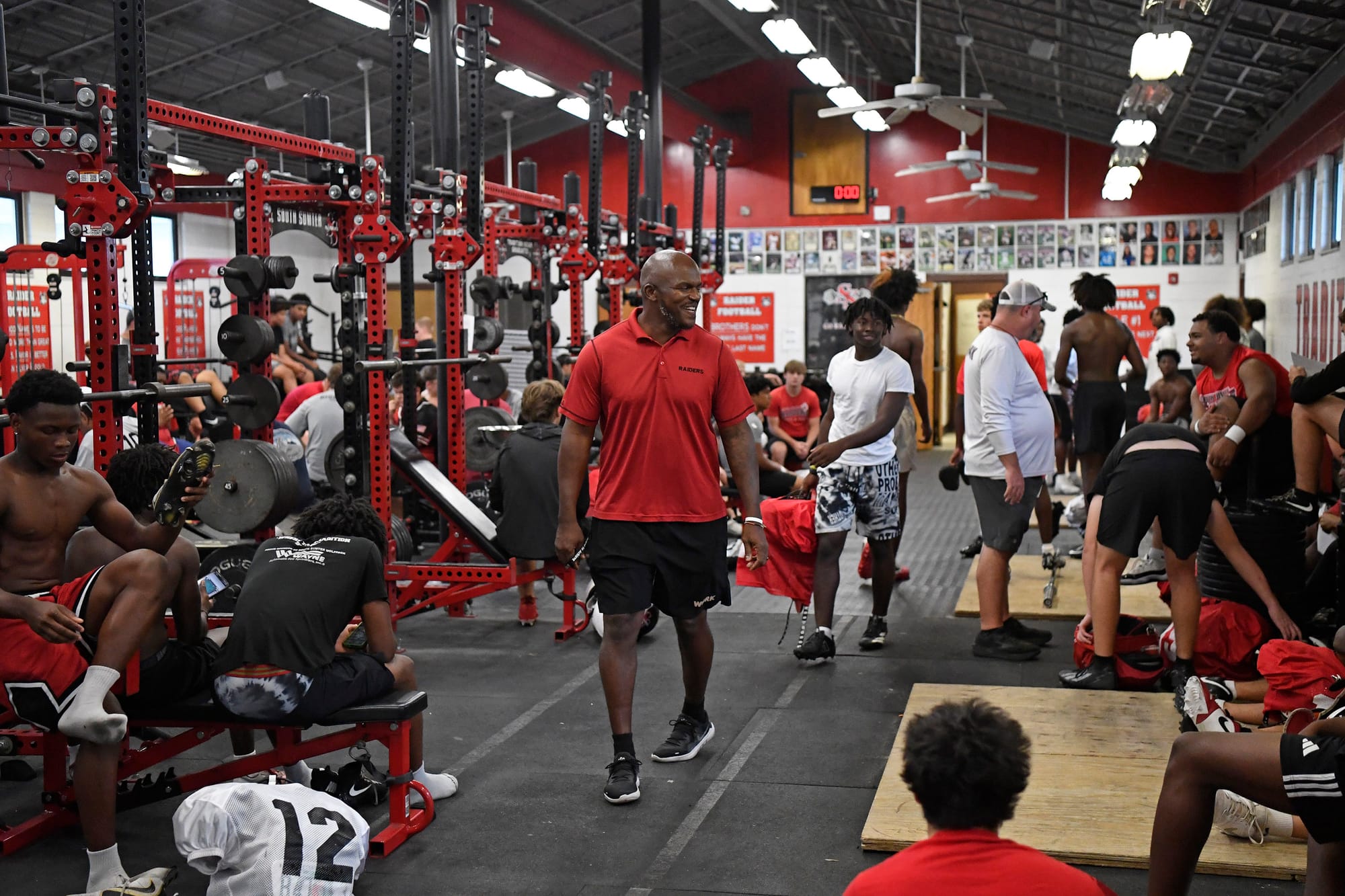
Everett travels from Tampa every day for work, juggling caring for his family, coaching and teaching. | Matthew Lewis/Grandstand Magazine
“I get emotional and when I have to make a decision, I always go to Earl,” says Ty Lawrence, the athletic director and head football coach at SSHS. Lawrence coached Everett in high school, when he developed into the nation's No. 2 linebacker prospect who leveled quarterbacks with frightening authority.
Now the two coach together, exemplifying what it means to be a role model. “You’re not just a coach, you’re a father, uncle and all of the above,” Everett says.
When the lunch bell rings, Lawrence and the other coaches usually head to the break room in the library to chop it up, talk practice and discuss game plans. It’s the jock party for teachers, but Everett isn’t present. Instead, he usually eats in the ESE classroom alongside Cilenti and her students
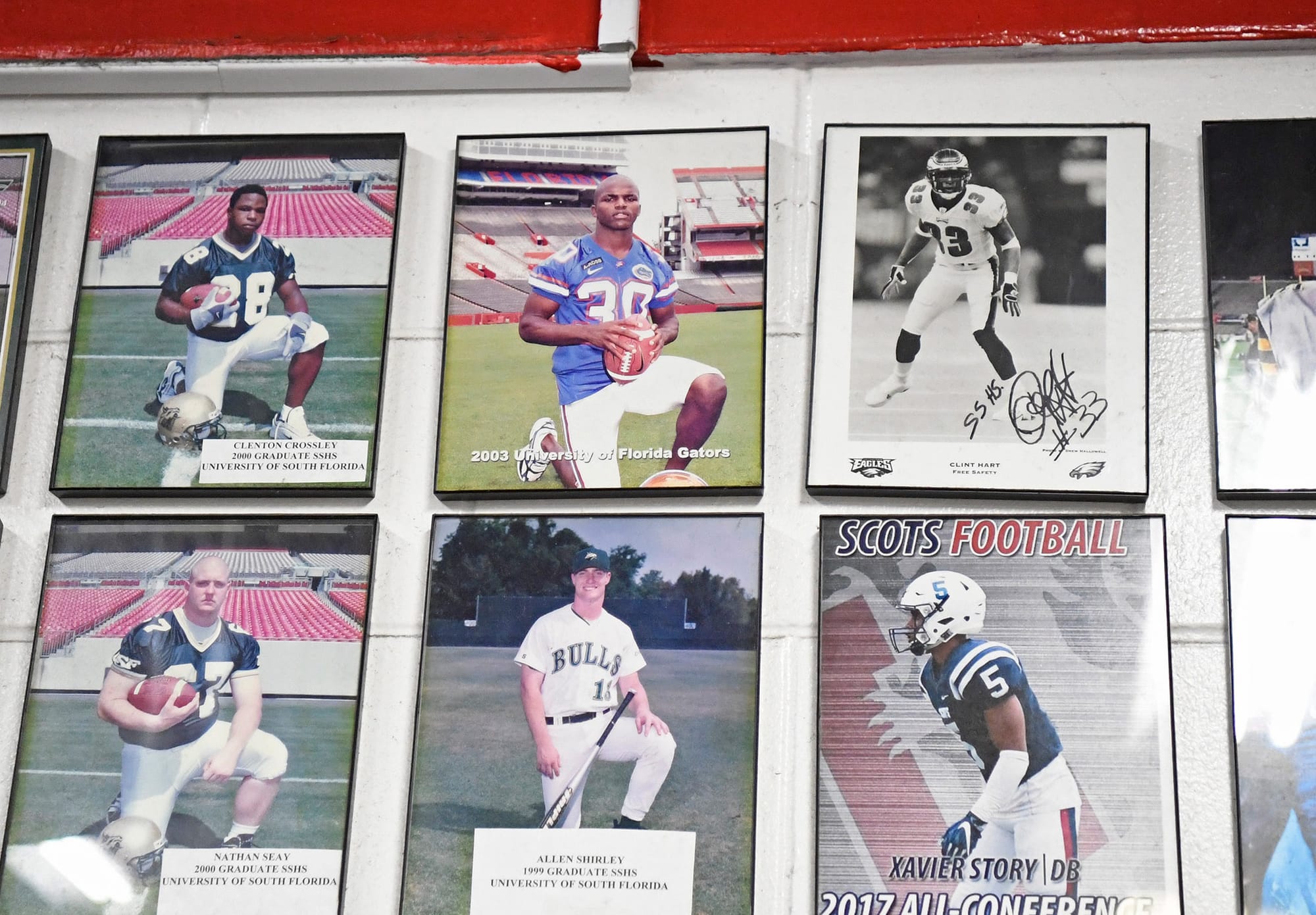
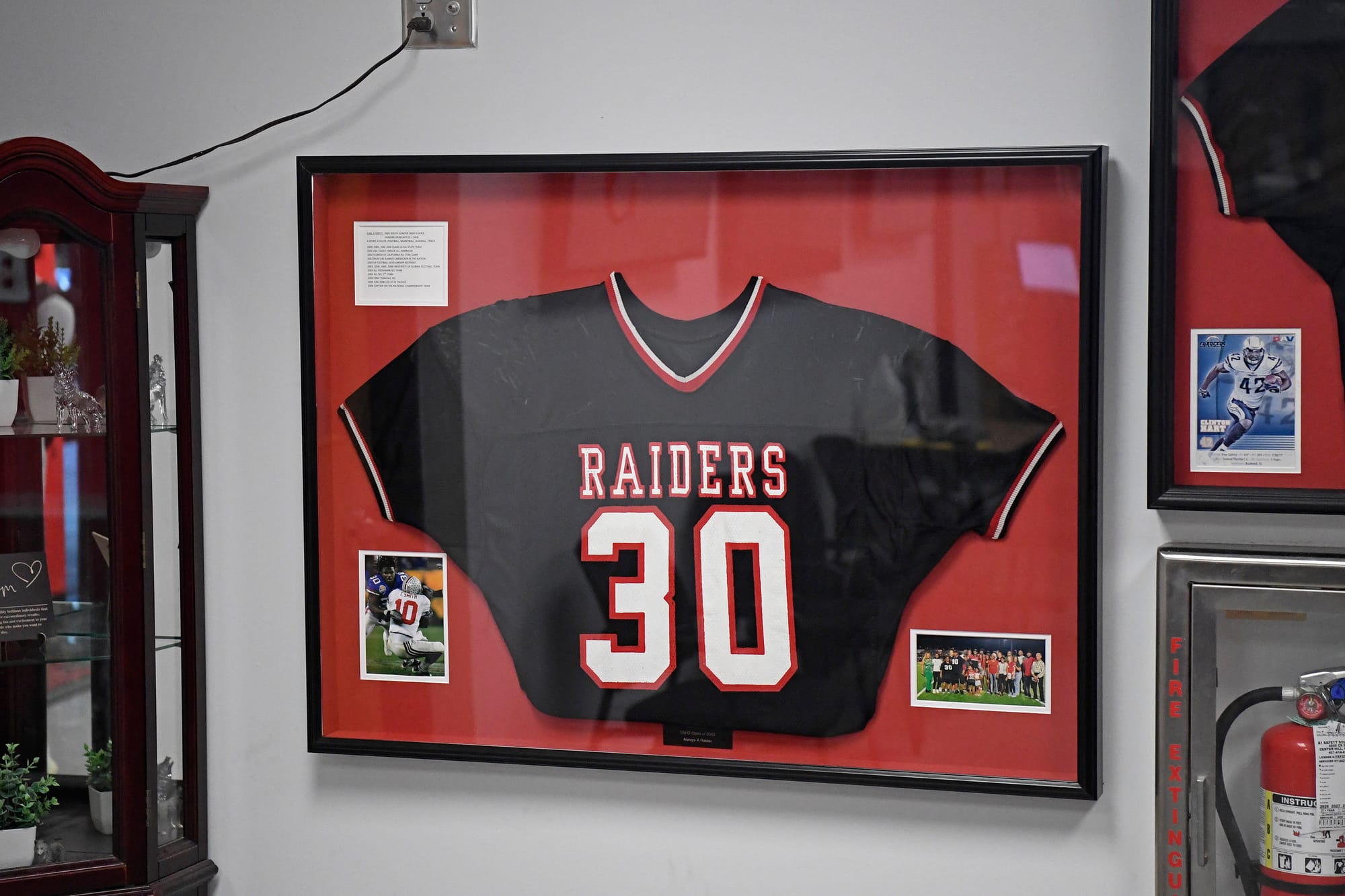
“He is probably the best human being I know,” Lawrence says. This version of his life, one defined by peace, culminated last year when SSHS retired Everett's No. 30 jersey. Everett was honored in the company of his family. For a guy that won a national championship in 2007, the retirement might seem overdue, but not for Everett.
“I always hear people say ‘It should’ve happened 20 years ago.’ But I say no because timing is everything,” he says. “It happening now, with me being in the role I’m in, makes it even more special.”
On a recent school day, Everett returned to his favorite classroom with Cilenti. Before he could even say hello to Cilenti, he was already exchanging fist bumps and greetings with students.
Every morning, once he steps through those school doors, Everett is back in his element: bringing joy.