A Gator Lacrosse Sabbatical
A top recruit at Georgetown and subsequently a top pro lacrosse prospect, Dylan Hess transferred to Florida, a school without a varsity lacrosse team. His year abroad* shaped him.
The choice felt almost counterintuitive.
Dylan Hess had spent years inside a system of expectations — one where progression was measured, roles were defined and performance shaped identity. At Georgetown, one of the country's top lacrosse schools, every season followed a structure. Every decision carried consequence.
So when he arrived at the University of Florida, a school with no varsity lacrosse team and scant student interest in the sport, he did something different.
He chose not to expect anything.
“I made a promise to myself,” he said. “I just wanted to appreciate the experience as it came and not judge it by comparison.”
For most athletes, expectations provide direction. They define progress long before a season begins. Hess had spent years inside that system as a top recruit and subsequently a Division I lacrosse player at Georgetown, where his role became increasingly specialized and every season had clear stakes. But after graduating, despite interest from professional teams, he took an unconventional next step: enrolling at Florida for a graduate year, joining its club lacrosse program.
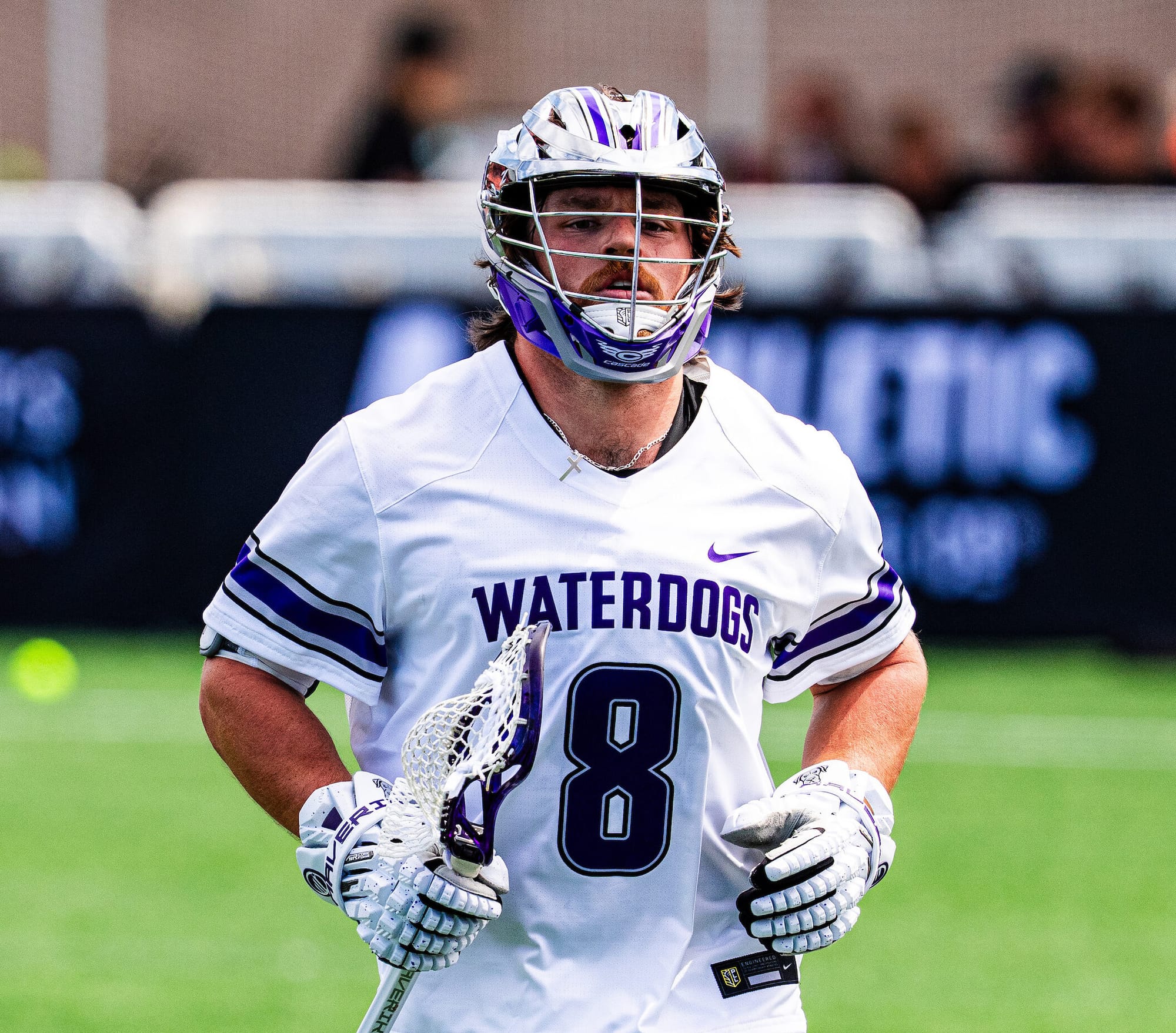
What looked like a departure from a traditional path became something else. At Florida, Hess rediscovered parts of his game that had faded in Washington, D.C. — and found himself at the same professional juncture he had always dreamed, being selected in the 2025 PLL draft by the Philadelphia Waterdogs at No. 15.
Growing up in Ponte Vedra Beach, Florida, he played multiple sports, developing broadly as an athlete before committing to a single route. He didn’t begin playing lacrosse until around 9 or 10, later than most who go on to become elite, and his introduction to the sport came less through structured training than proximity. A connection to former University of Florida club player Jamie Chapman, whose family lived nearby, helped bring the game into his orbit.
Surrounded by neighbors who played and encouraged by his parents, Hess learned through repetition and curiosity. He followed no long-term blueprint.
“I didn’t grow up thinking I was going to be a professional player,” he said. “Opportunities would come up, and I’d just ask myself: Would I regret not trying?”
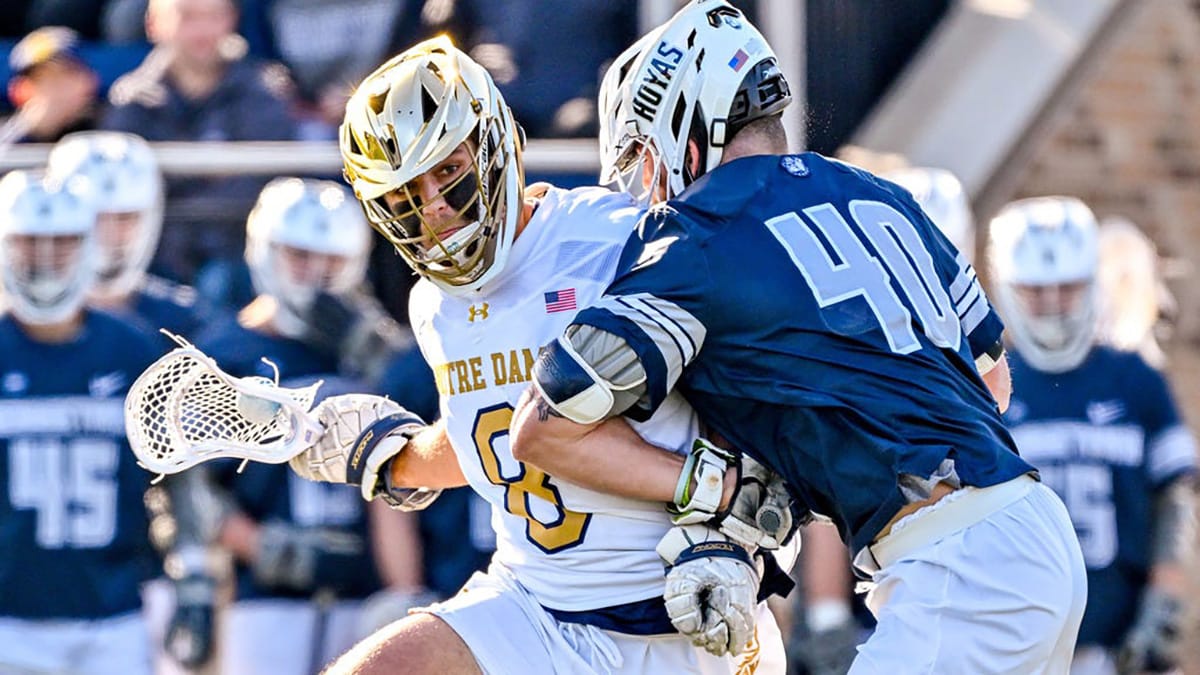
That question followed Hess to Georgetown, where he committed to play Division I lacrosse as one of the nation’s top recruits. Ranked as the No. 10 incoming freshman in his class by Inside Lacrosse, Hess entered a Georgetown program competing on the national stage. As a freshman, he helped the Hoyas win the Big East championship and reach the NCAA tournament.
At Georgetown, in those moments, the structure of Division I athletics offered clarity. But eventually, it morphed into limitation.
Hess arrived on the banks of the Potomac River as a two-way midfielder, capable of contributing on both offense and defense. And he made an immediate impact. In that first year, he scored 17 goals, added seven assists and collected 23 ground balls, earning honorable mention All-American and second-team All-Big East honors.
As his career progressed, though, flexibility narrowed. After a sophomore season marked by inconsistency, he sat down with his coaches, searching for direction.
“You’re only going to play defense,” Georgetown’s staff told him.
That conversation reshaped his trajectory. Hess adapted, developing into one of the nation’s top short-stick defensive midfielders. He earned another honorable-mention All-American selection as a junior before being named a first-team All-American as a senior. By then, Hess had collected three All-American honors and helped the Hoyas win four consecutive Big East championships.
Still, professional lacrosse existed as a possibility, not a plan.
The Premier Lacrosse League had elevated the sport’s visibility, but not necessarily its financial security. PLL player salaries aren't publicly available, but estimates generally place them around $27,000 per season, leaving many players to supplement their income through coaching, camps, sponsorships or other work. Security is limited.
Hess understood. And that uncertainty led him to Gainesville.
For Hess, choosing the Florida was about stepping outside the path he'd envisioned for over a decade. After graduating from Georgetown, he enrolled at UF for a graduate year, drawn in part by familiarity — his sister had attended the school — but also by the opportunity to experience a different type of college life.
COVID-19 restrictions shaped his freshman and sophomore years, leaving him feeling as though he had missed part of the traditional college experience. Gainesville offered a drastic redo. “The whole motivation behind going to Florida was to experience something completely different,” he said.
That difference also extended into athletics.
Florida’s club lacrosse program operated outside the structure Hess had grown within. It's a member of the Men's College Lacrosse Association, which, with over 180 member schools, is the largest governing body for collegiate club lacrosse. But it isn't a varsity operation. Players balanced classes, responsibilities and self-funded travel. Practices ran late — often from 9 p.m. to 11 p.m. — and commitment came from within rather than external pressure.
“I was impressed with how bought in the guys were,” Hess said. “You can have talent, but it doesn’t mean anything if you don’t show up.”
Hess leaned into that freedom. He ran daily miles, sometimes with a weighted vest, guided more by instinct than instruction. The work wasn’t assigned. It was chosen.
His game transformed without the burden of expectations, which he’d become so accustomed to at Georgetown. In Washington, specialization defined him. At Florida, fluidity returned. He handled the ball more frequently, rediscovered offensive instincts and embraced a role that required both creativity and responsibility.
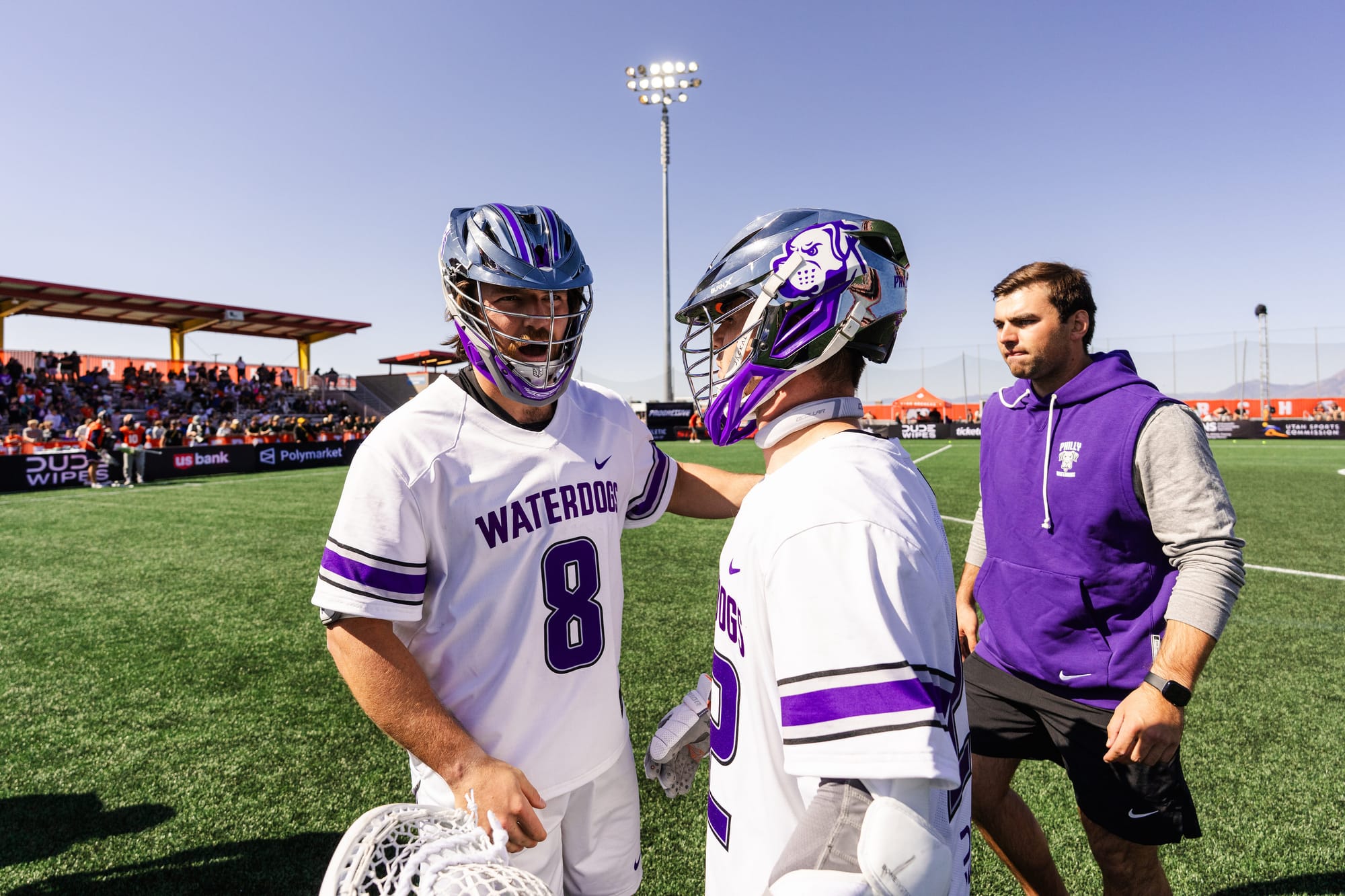
“At first we were like, ‘Alright, successful Division I guy coming in … what’s this going to be like?’ ” said Carlos Rios, who served as team president during Hess’ sole season. “But he never made it about where he came from. He just showed up, worked hard and played like one of us. After a few practices, it felt like he’d always been part of the group.”
What emerged wasn’t just improved performance. He felt alive.
“If you take the game too seriously,” Hess said, “you lose the love for it.”
In Gainesville, Hess found room to enjoy the game again. He could compete without measuring every moment against what it meant for his role or dreams. That freedom showed in what he remembered most about the season. It wasn’t an individual performance or a step toward the professional game, but something much simpler: playing in a rivalry.
“Being part of the UF vs. FSU rivalry — and beating them twice,” he said, “was the highlight.”
The season gave Hess more than a different college experience. Playing with fewer expectations allowed him to rediscover the parts of lacrosse that had first drawn him to the sport — and, in the process, parts of his game that had been left behind.
Club lacrosse rarely appears in conversations about professional pathways. But the season quietly reshaped Hess’ game. Returning to a more versatile role — handling the ball, making decisions in space, adapting in real time — helped prepare him for a level of competition where flexibility is essential. “Being multi-faceted at the pro level is very beneficial,” he said.
Immediately, Bill Tierney, the head coach and general manager for the PLL's Philadelphia Waterdogs, recognized Hess' adaptation.
“What it allowed him to do was learn how to be flexible,” Tierney said. “Playing offensively at Florida really helped his ability to be a transition player — going from defense to offense — and understand what the other team is trying to do.”
That experience on both sides of the ball, Tierney said, gives Hess a better understanding of what opposing offenses are trying to create and, in turn, makes him a more effective defender.“He’s one of the best short sticks in the league already,” Tierney said. “He’s competing every run, every time he’s out there. His strength, his competitive nature — it’s contagious.”
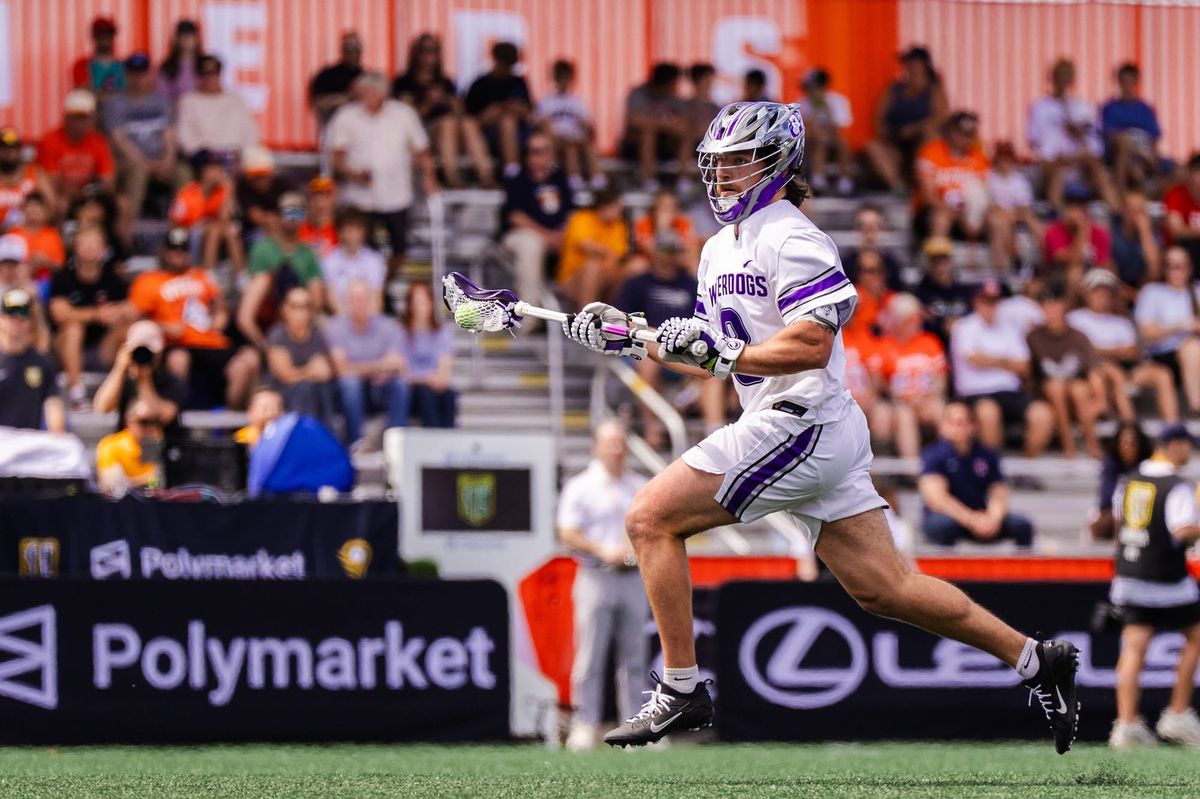
Even before going to Florida, professional lacrosse was within Hess' reach. The Carolina Chaos took him in the 2024 PLL Draft after his final season at Georgetown, though he declined to sign. A year later, he entered the draft again with a different confidence. This round, the Philadelphia Waterdogs selected him 15th overall.
Professional lacrosse brought new demands — a faster pace, smaller margins for error and constant adjustment — but Hess’ unconventional path prepared him to adapt. He quickly found a place at short-stick defensive midfield. Five games into his rookie season, he had recorded three caused turnovers and six ground balls, enough to earn a spot in the PLL All-Star Game.
The recognition continued. At the end of his first professional season, Hess earned second-team All-Pro honors and was named a finalist for the George Boiardi Hard Hat Award, given to the league’s top player at his position.
The success offered a striking contrast to where he sat the year before. At Florida, Hess rediscovered the freedom to play across roles. The player who had gone to Gainesville without expectations emerged from it better prepared for the professional game.
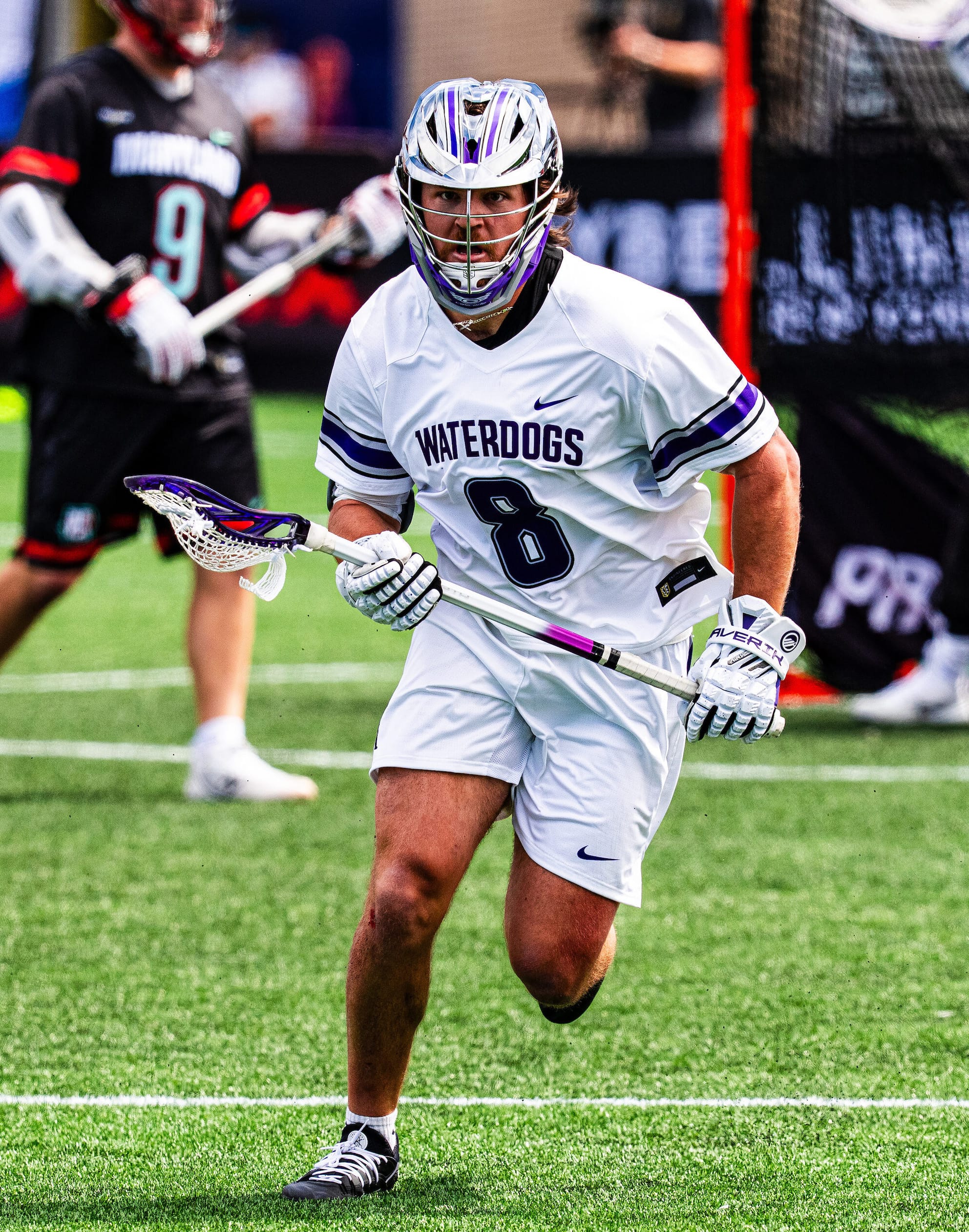
And, from Tierney’s perspective, Hess’ trajectory is still evolving.
“The second year is always where you see the biggest jump,” he said. “I think he’s going to be even better.”
However, Hess tore his ACL in May, cutting short the opportunity to build on his breakout rookie year. He underwent surgery in June to repair the ligament and shared the start of his recovery on Instagram, writing that he had “got a new ACL" and would need an expected nine months of rehab.
The setback put Hess’ professional momentum on hold, but his message carried the same forward-looking approach that shaped much of his career. Alongside photos of the people and moments helping him through recovery, he ended simply: “Be back soon!”
In the same essence, Hess doesn't describe Florida as a detour. It was a bridge. A season that existed between structure and freedom, expectation and possibility, identity and exploration.
Athletic careers are often measured through linear progression — rankings, titles, contracts. Hess’ journey suggests something quieter. Sometimes the most important growth happens when expectations disappear, when one leaves path. Sometimes the defining season is the one that exists between chapters.
For Dylan Hess, that season came in Gainesville.