Behind The Plate
More than 500 varsity athletes compete at UF, and they all must eat. But no two require exactly the same nutrition. Inside the team of chefs, dietitians and trainers who craft each athlete's unique, ever-adapting plan.
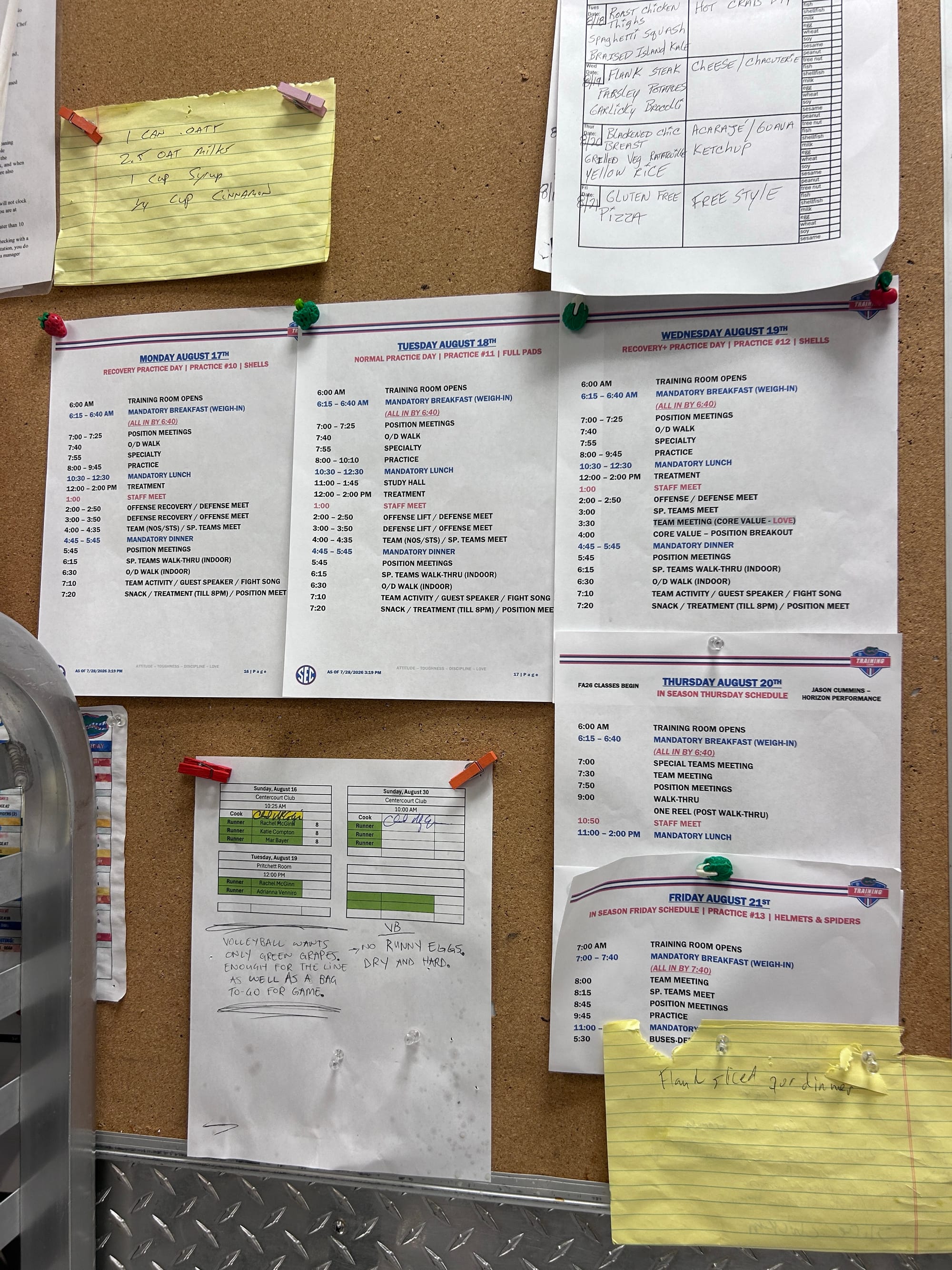
Volleyball wants only green grapes. Enough for the line, as well as to-go for the game. No runny eggs.
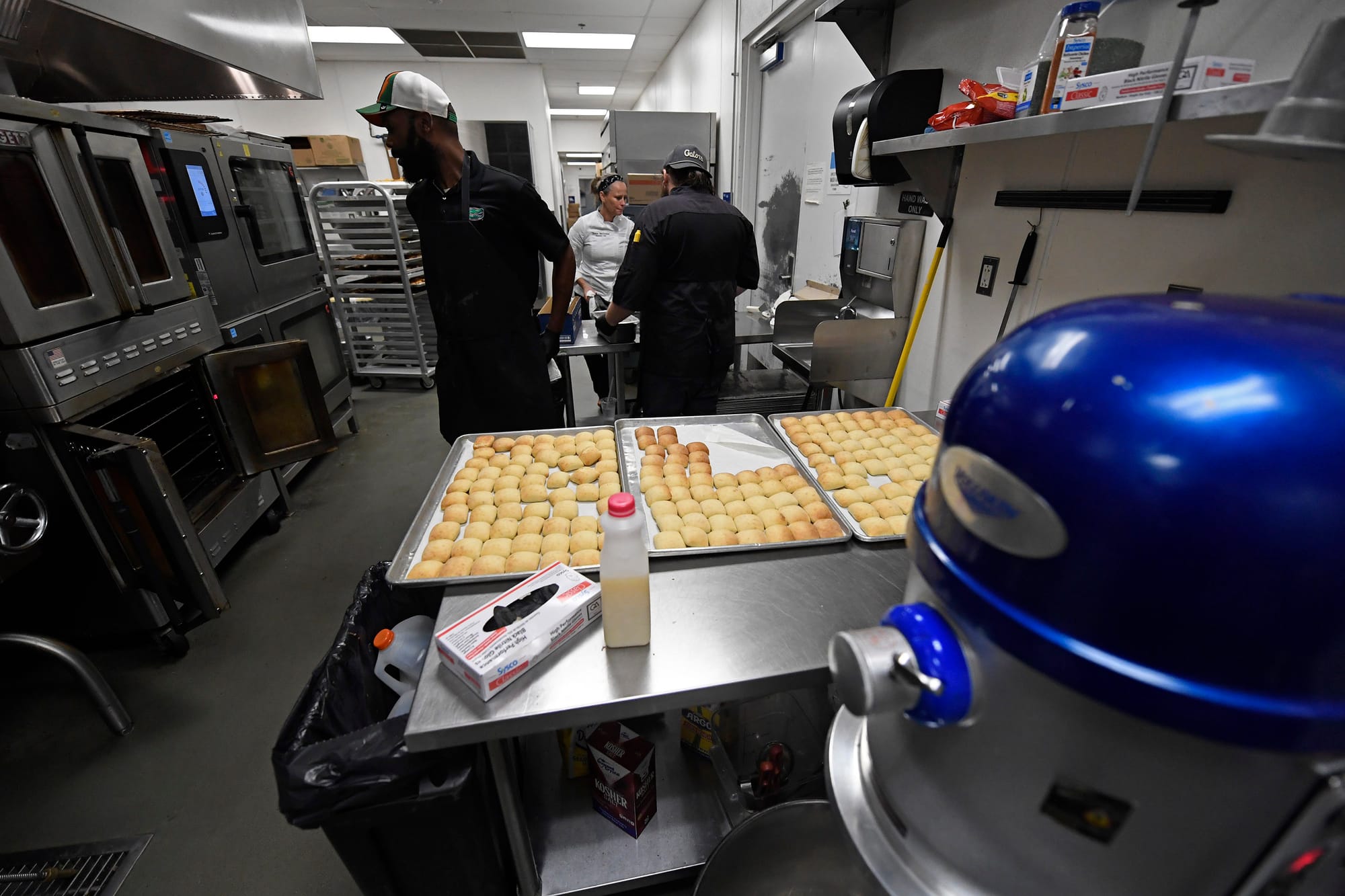
The note is scribbled messily on a grease-splattered sheet of paper that’s clipped to a corkboard in the kitchen of the University of Florida’s athletic dining hall. Above it are printed practice schedules for the Gators' football team, categorized as “shells” or “pads” and “recovery” or “normal practice day.” Steak sizzles on the grill as pans clatter against the storage racks. Wafts of cleaning supplies, a seafood boil broth simmering in a 3-foot-tall pot and fresh-baked bread drift through the kitchen.
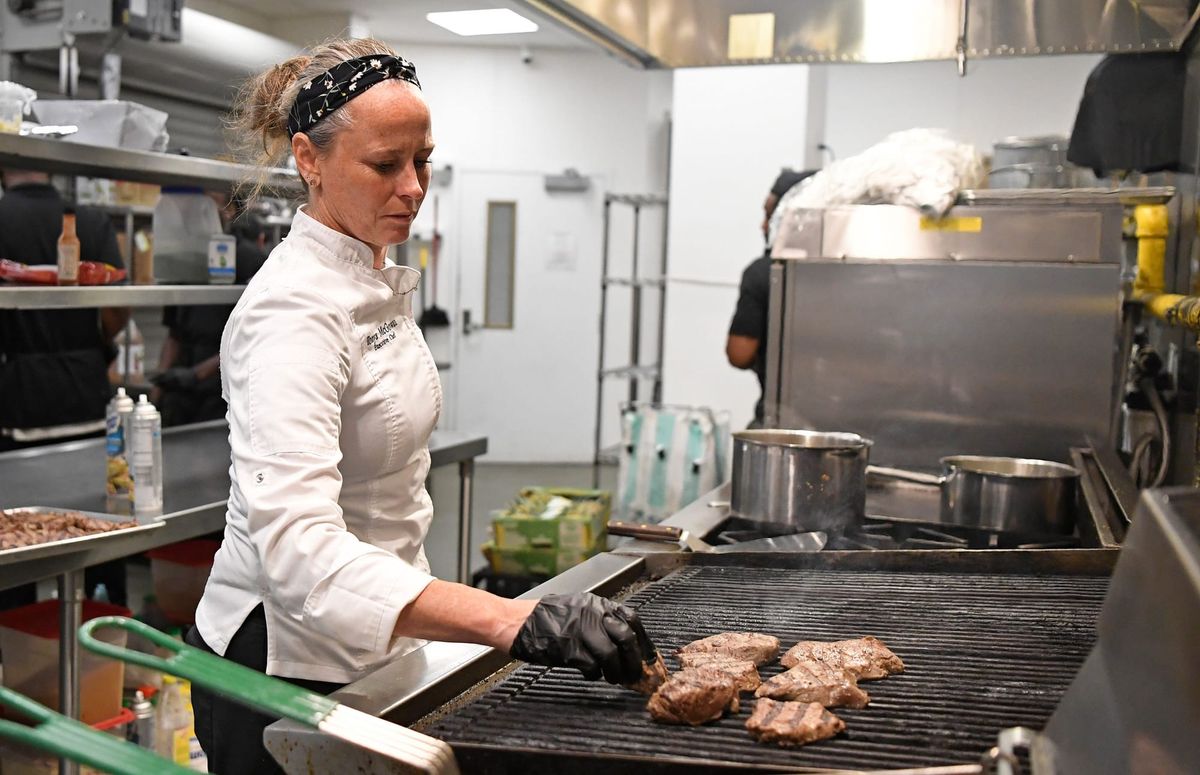
“We keep it clean in here,” a voice says. A blond woman with a headband atop her forehead and a classic white buttoned jacket walks around the corner of the kitchen, smiling at the scene before her. The pride is evident, the same way an artist looks at their painting.
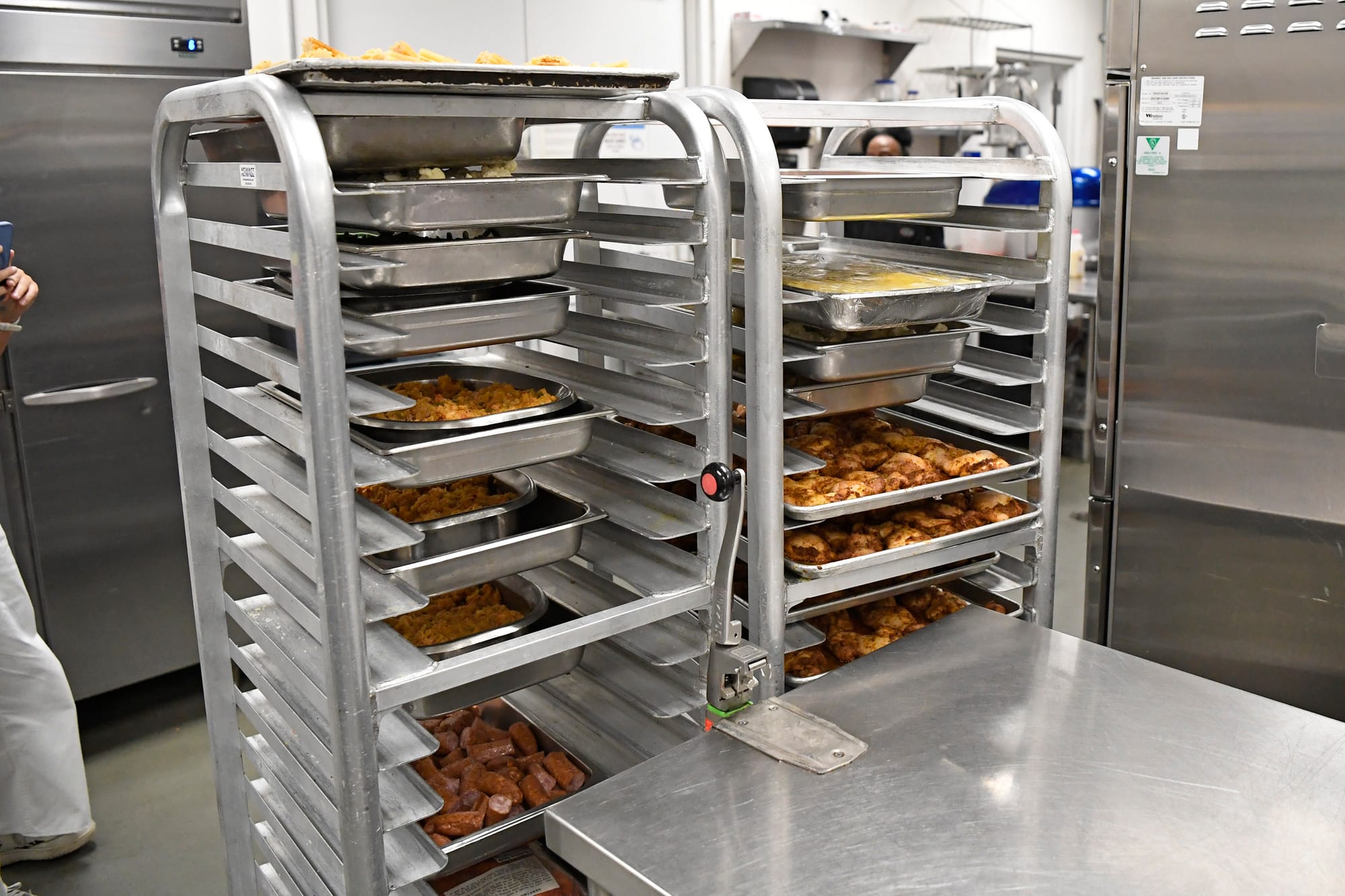
Tonya McGowan is the head chef of Florida’s athletic dining hall. She’s been working at the school for 13 years. In addition to overseeing about 50 staff members, she serves about 500 student-athletes. To feed so many, a daily shipment of food is no small task — 160 pounds of chicken breasts and 120 pounds of eggs are a standard order for the kitchen. "We feed a small farm," she said with a laugh. Cooking for college athletes, especially in such mass, isn’t necessarily the first setting you’d imagine when you hear “chef.” But like many others across the country, she’s found her place.
McGowan’s role is to take the dietary needs of UF student-athletes and turn them into meals. But the challenge of feeding hundreds of athletes requires far more than a chef. Behind each plate is a team of chefs, dietitians, coaches and trainers working together to build individualized nutrition plans. Everything is tailored, from protein portions to hydration strategies, based on sport, position, body composition and even how much an athlete sweats during practice.
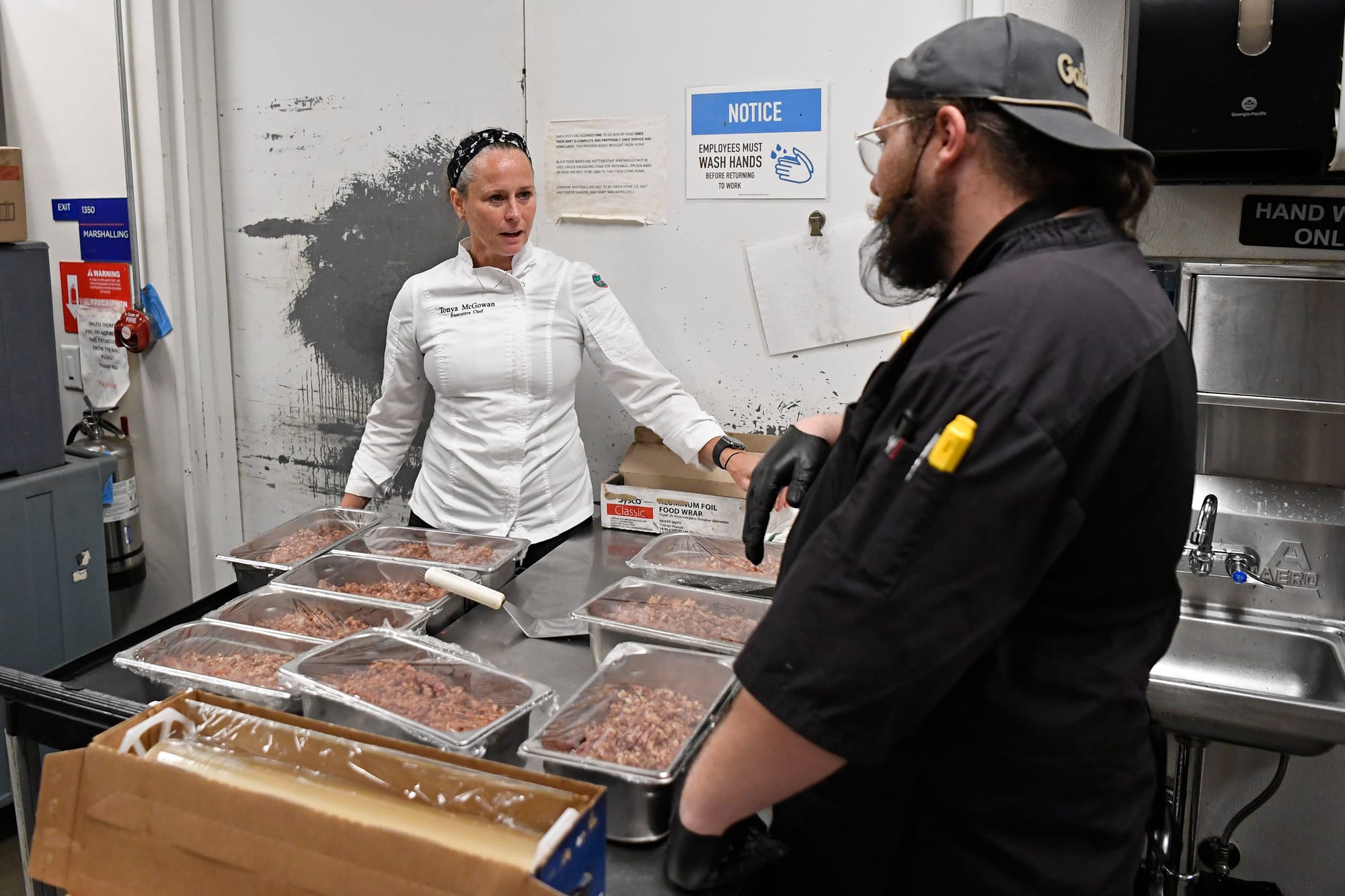
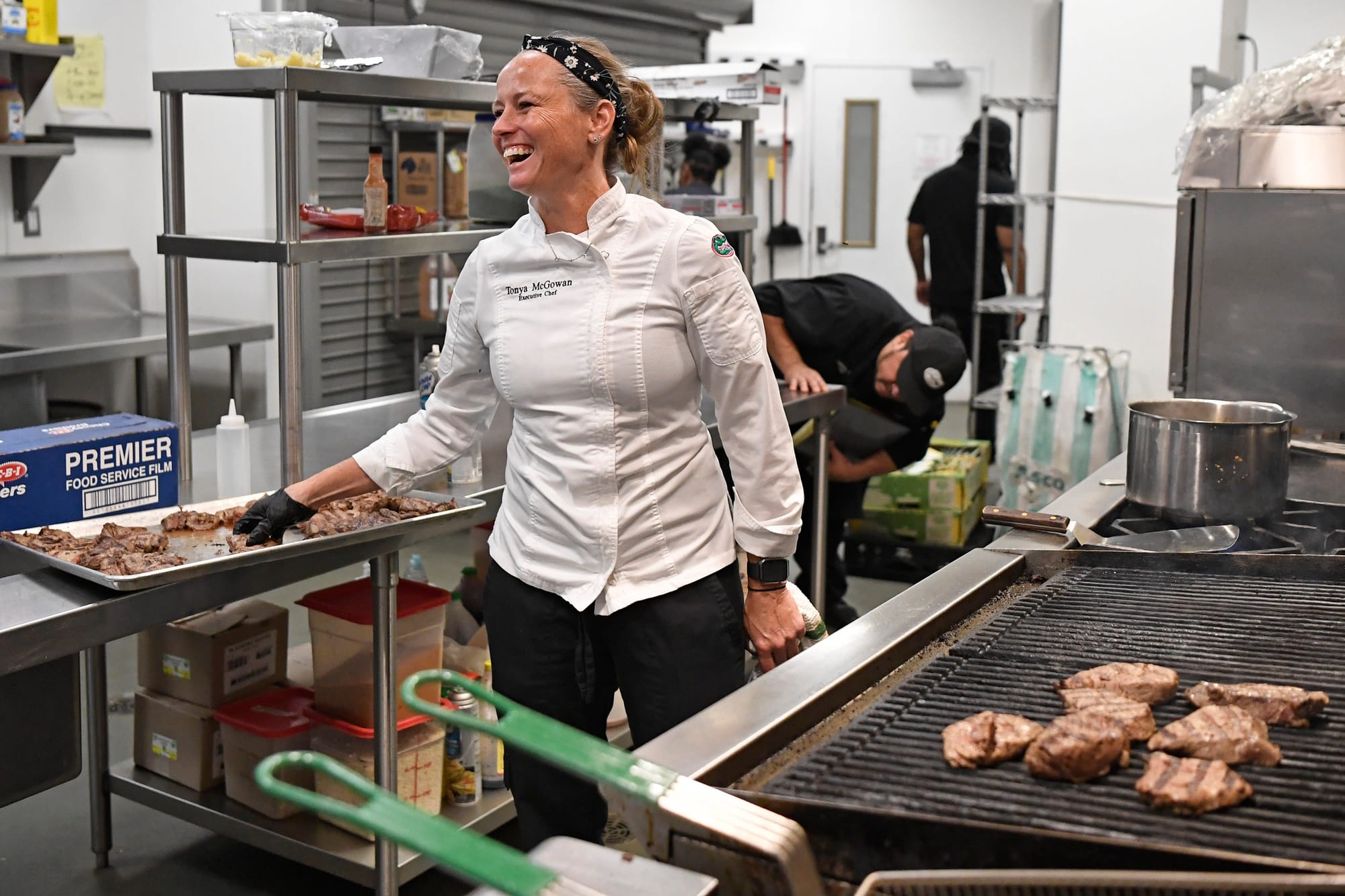
McGowan and her staff work with hundreds of pounds of food every day. | Matthew Lewis/Grandstand Magazine
The process starts almost immediately after an athlete arrives at Florida.
The Gators’ sports nutrition department has eight full-time dietitians who work with specific sports, allowing them to pair with teams throughout the year. Jake Sankal is the director of nutrition and an assistant strength and conditioning coach for the Florida football team. Blaire Guire, director of sports nutrition, works with the swimming, diving and golf teams. Mike Childs is assigned to both gymnastics and soccer.
New athletes at Florida first meet with their assigned nutritionist. The staff starts by establishing a baseline soon after a new athlete arrives on campus. They undergo blood work, hydration testing and a Dual-Energy X-ray Absorptiometry (DEXA) scan, which measures bone density and body composition.
Dietitians also talk with athletes about their normal eating habits, food preferences, allergies, medical history and overall physical goals. From there, they work with coaches and trainers to create an individualized plan to fit each athlete.
That starts with the basics.
When meeting with new athletes, Guire first works to establish consistent habits around meals, hydration and recovery.
“For the athletic population, it’s nice to have some tangible things to work toward,” she said. “Maybe that’s eating breakfast before a 6 a.m. swim or adding in fruits and vegetables. … That then allows for follow-up conversations.”
At UF, athletes meet with their dietitian weekly, every other week or monthly, depending on their needs throughout the year. Their goals often shift as they move from offseason training to mid-year competition or the postseason.
The exact process, however, depends on the sport.
For Sankal and Florida football, that can mean tracking even the smallest details of a player’s training and recovery.
While the Gators didn’t kick off their season until Sept. 5, the training began well before. The 100-plus Florida players ran up and down the length of the practice field for hours each day in the weeks leading up to Week 1.
Sankal said players have shed as much as 15 pounds during a single practice. That's why he and his staff meticulously calculate individualized electrolyte and sodium levels for each player's water bottle, helping athletes replace what they've lost through hours of sweating in the Florida heat.
“You can’t just give them all the same drink and hope it works,” Sankal said. The nutrition staff sweat-tests players in the spring and uses those results to individualize hydration plans throughout the year. Athletes also undergo daily saliva hydration tests, along with weigh-ins and weigh-outs, allowing the staff to monitor the practice toll on each. A football player’s nutritional plan can also be tied to his position, body composition, training phase and individual objectives. A defensive lineman’s needs differ dramatically from a cornerback's, making individualized plans essential.
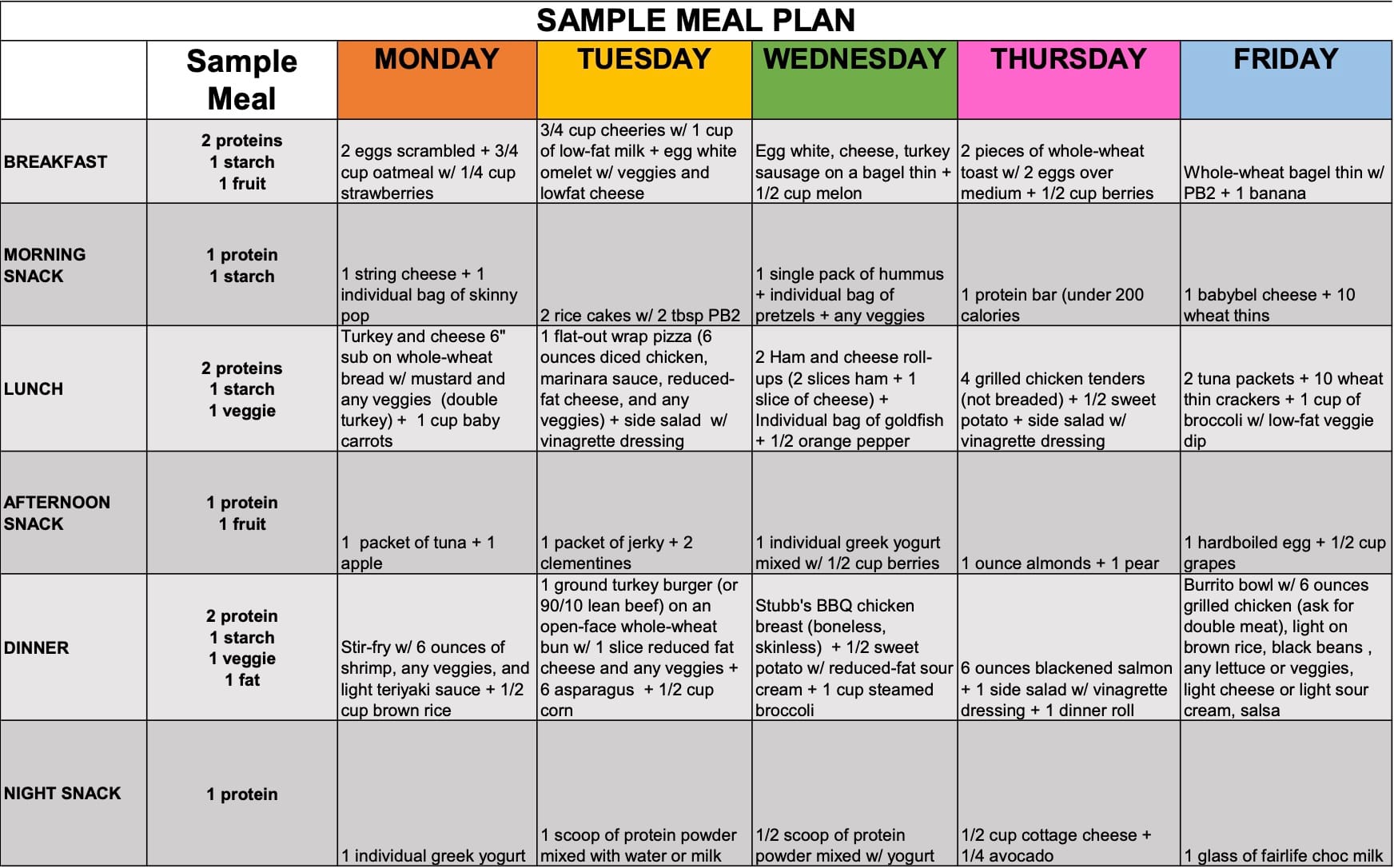
Each athlete has individual nutrition sheets that tell them what they need at each meal, with plans changing alongside different training phases: Spring practice, summer training, fall camp, regular season and the postseason.
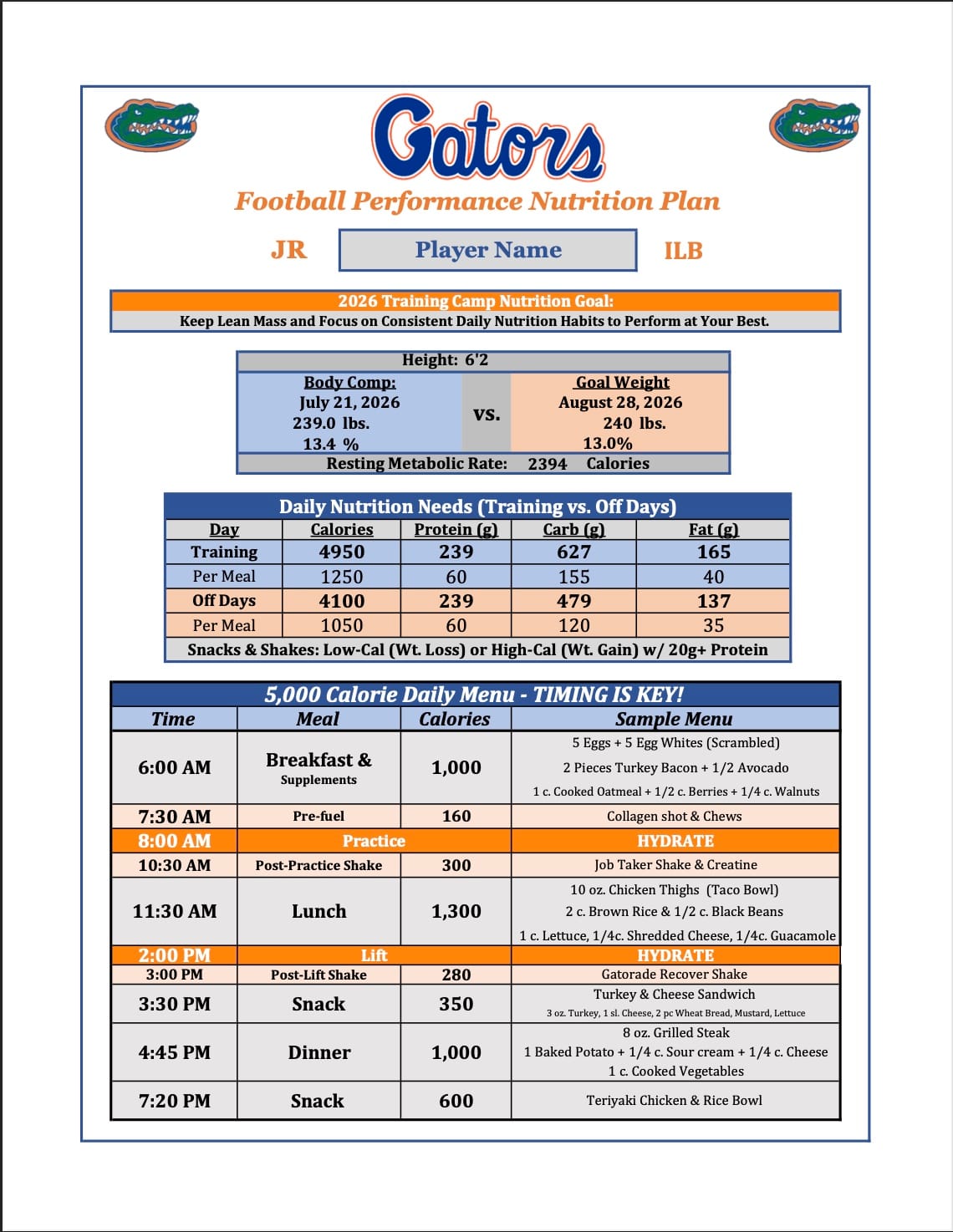
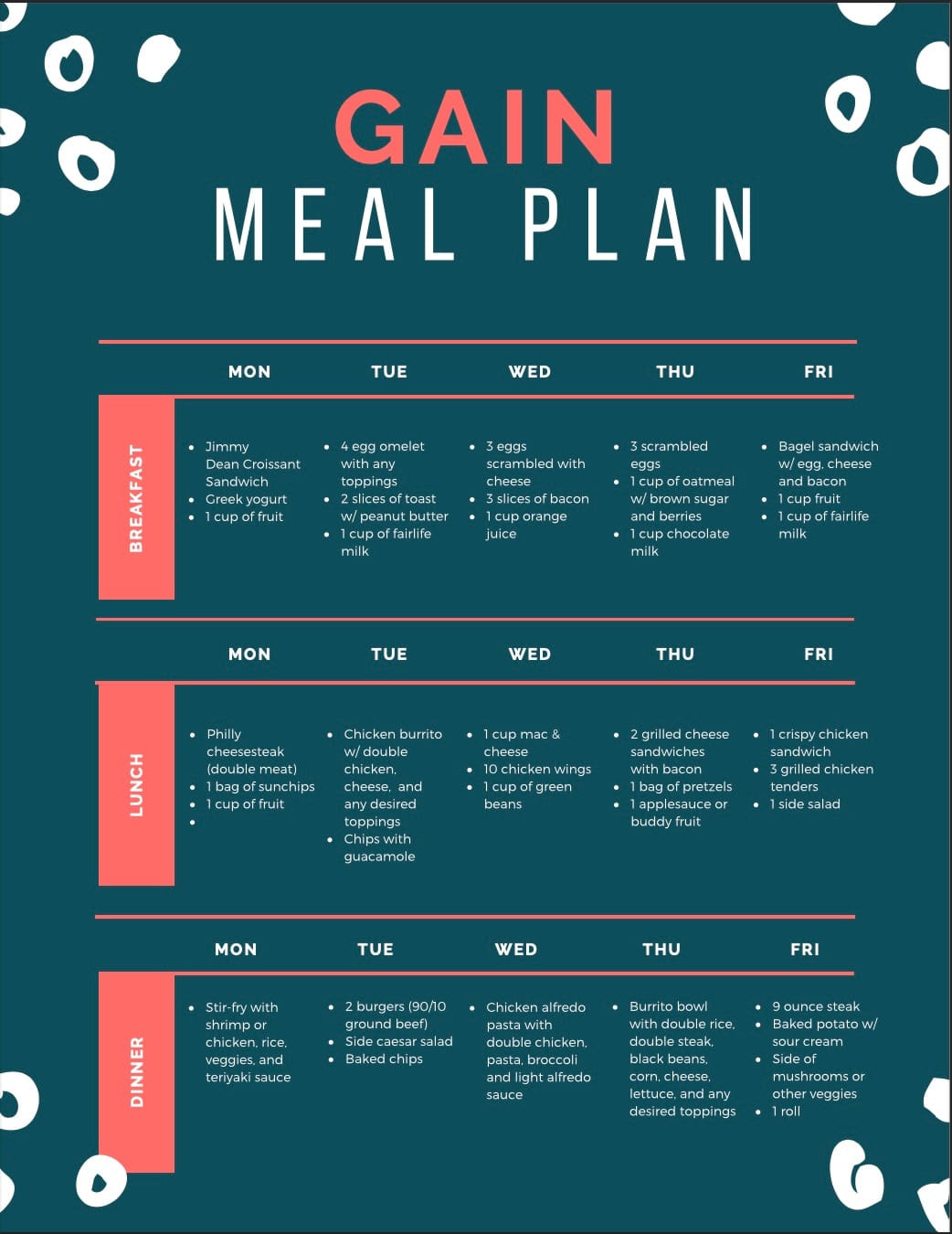
Florida football's meal plans differ from other sports, often aiming to help players add mass. | Florida Athletics
“We’re constantly monitoring where they are and working through our individualized process with every guy,” Sankal said. “You’re talking like 100 guys on an individual process. So it’s pretty in-depth and it takes a lot of hands to be able to execute.”
Sankal also works as an assistant strength and conditioning coach, connecting the different parts of Florida’s performance staff. Nutrition, strength and conditioning and coaching all have to work toward the same goal, he said. That means extensive communication among the group and frequent meetings.
“Strength coaches are always telling [athletes] one thing. Nutrition’s always telling them something. We need to be speaking the same language,” Sankal said. At Florida? “I do think we have something unique here.”
For Jocelyn Sasson, the program’s culture plays a hefty role in her day-to-day journey. Sasson, a sophomore gymnast, came to UF in 2025 as a five-star recruit. Immediately after arriving in Gainesville, she noticed how special Florida’s nutrition program was.
“When we came in, it was just like ‘boom,’ all these resources were available,” Sasson said. “Things that could help with our athletic success that I’ve never had before.”
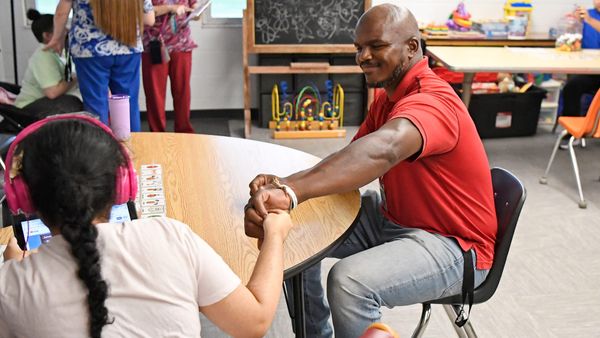
As opposed to stricter nutrition plans, much of her guidance comes through weekly conversations in the gymnastics facility. Childs checks in regularly with the gymnasts during practices and lifts to see how they’re feeling and what they may want.
For Sasson, that accessibility is one of the key parts of the program.
“I would definitely say, in high school, my diet was not consistent,” she said. “It was kind of just like whatever I could get. What’s most efficient here?”
For gymnastics, athletes have a relatively consistent training structure, meaning their nutritional needs don’t fluctuate as dramatically throughout the year compared to other sports. Unlike football, gymnastics doesn’t require Sasson to follow a specific meal plan.
“We have a little more free range,” Sasson said. “[Childs] just gives us suggestions.”
Every other Monday, Childs holds brief meetings with the gymnasts to discuss nutrition information and give the athletes an opportunity to ask questions. Whether he's explaining the purpose of carbohydrates or breaking down periodization – the process of adjusting caloric and nutrient intake to match training demands throughout the season – Childs ensures the gymnasts understand not only how to refuel, but why. For specific dietary recommendations, he’s frequently around the gym to provide the gymnasts with advice.
In Sasson’s case, that can include how to healthily incorporate sweets into her diet, the amount of water she should drink during a long flight or adding beet supplements into her meals before competition.
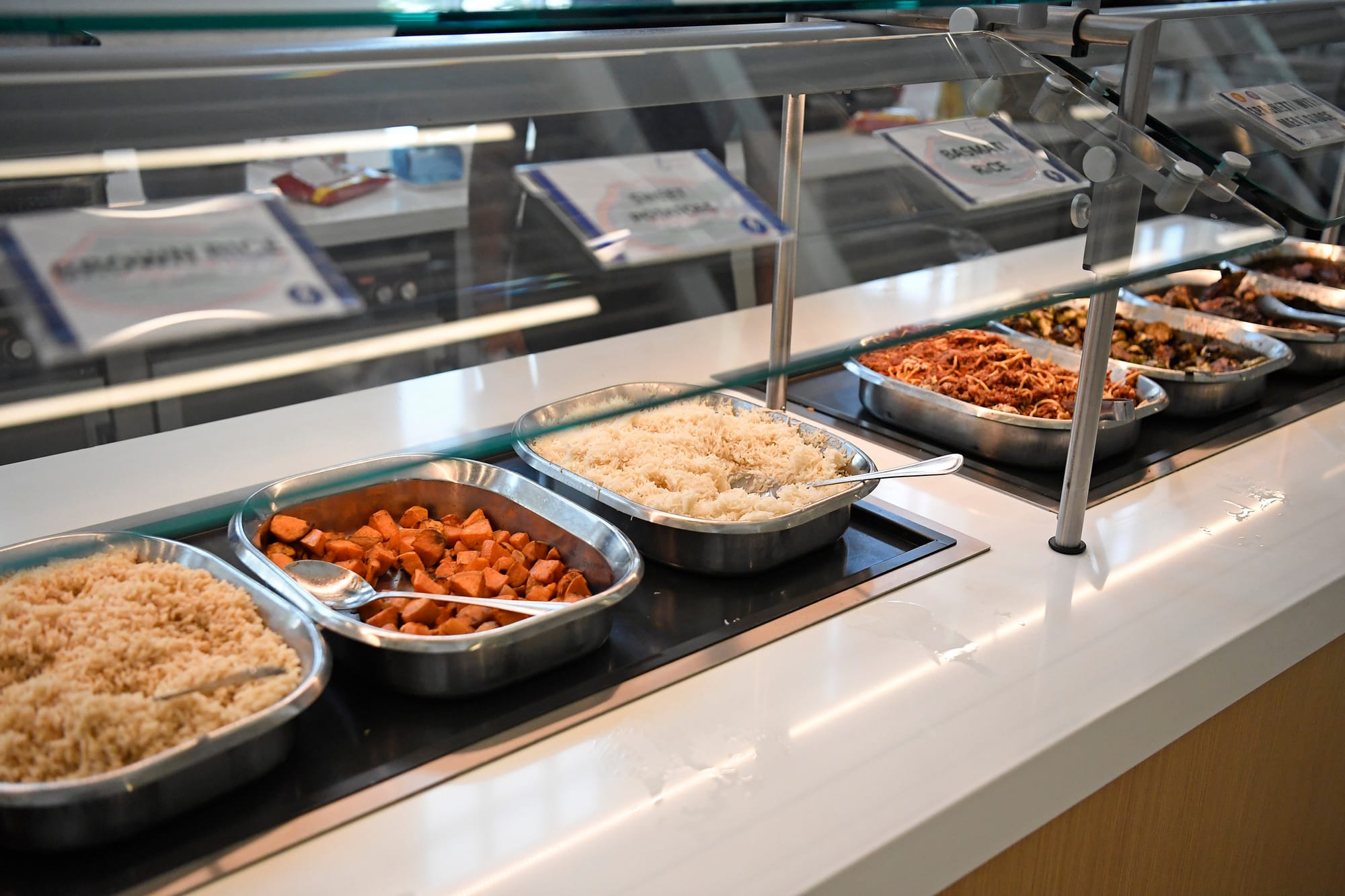
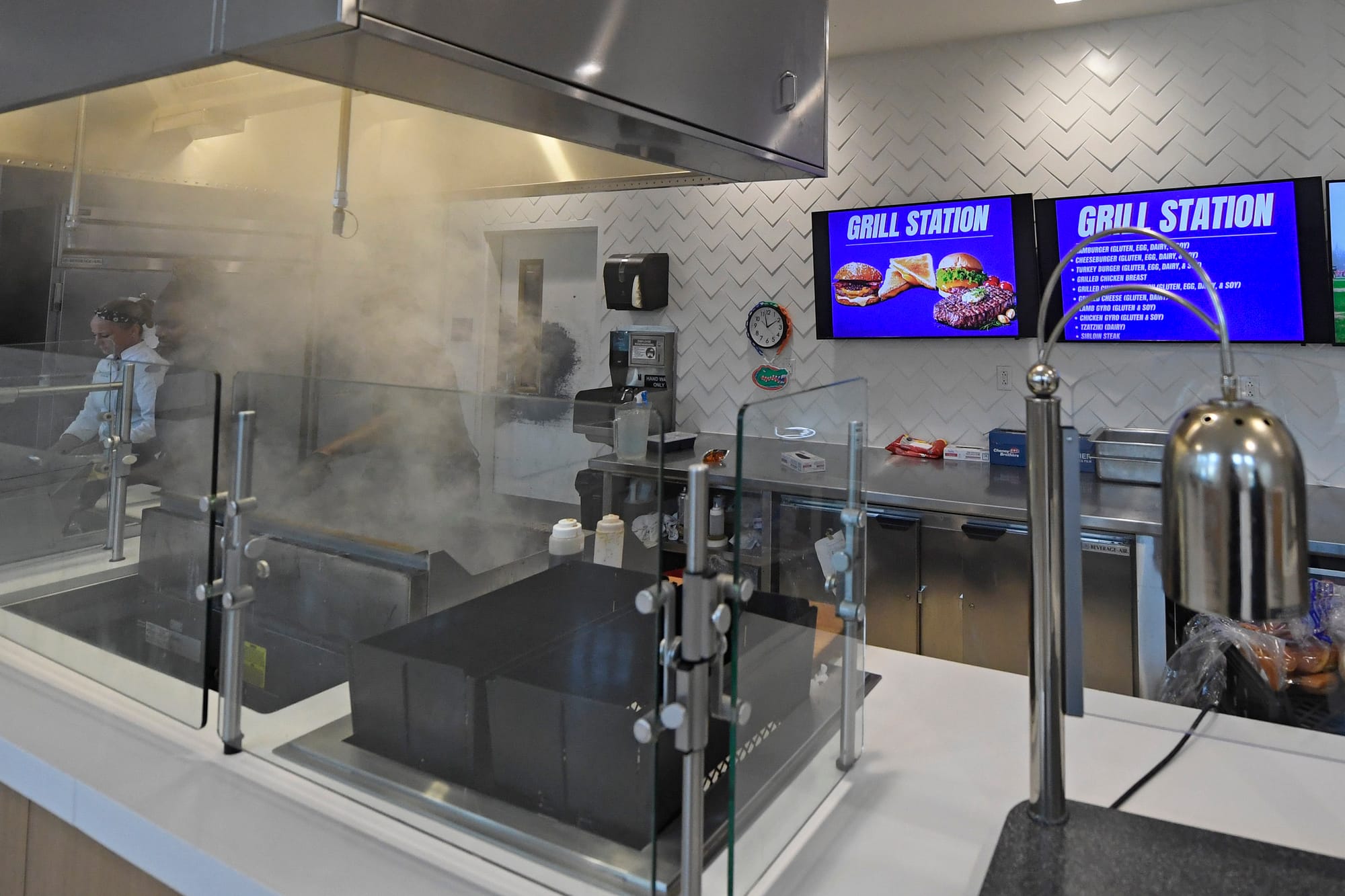
Florida offers both specifically tailored meals and a range of ready-to-go options. | Matthew Lewis/Grandstand Magazine
Beyond Childs' guidance, having access to fuel throughout the day is important for the athletes, so convenience is intentional. Florida allows student-athletes access to food in a variety of areas, whether it’s the dining hall, supplements at their respective training facilities or meals for away competitions. Snacks, which range from protein bars to Goldfish, and larger meals, like premade salads and sandwiches, are available throughout their facilities. Athletes can also order meals through an app called Teamworks Nutrition to add flexibility with their busy schedules.
For fifth-year soccer player Jayden Emmanuel, her nutrition plan falls somewhere in between football and gymnastics. During fall, when games are more frequent, Emmanuel focuses on eating around game days and keeping meals lighter before competition, eating simple meals like salads with grilled chicken those afternoons. In the spring, when she has fewer games but a heavier training load, she focuses on carbohydrates and quick energy throughout the day, such as meat sticks, applesauce and recovery drinks — electrolytes and cherry juice, for example.
Childs, who also works with Gators soccer, emphasized the different nutritional needs of varying positions on the field. The athletes’ meal plans are altered depending on their role.
“As a goalkeeper, a lot of the time, I don’t like to be too heavy before games or before practice because it helps me dive better,” Emmanuel said.
That same emphasis on personalization extends into the dining hall. For Emmanuel, it's more than a place to grab a quick meal. The food served isn’t just the “Chef’s Special.” McGowan and her team of chefs work to align with the same healthy principles as the rest of the nutrition staff.
McGowan has monthly meetings with the various dietitians to make sure they’re on the same page with what food is being served to athletes.
“They give us an idea of, like, ‘let's go in this direction,’” she said. “Like ‘let’s stop with this food. Let’s not serve so much pizza.’ We just want to make sure that everyone’s happy and on the same page.”
While the menu of the dining hall hot bar changes daily, the kitchen staff stocks the line with staples like grilled chicken, rice and beans. McGowan stressed that no athlete has to eat the same thing every day — the salad bar alone offers 88 topping choices.
But variety goes beyond the standard options on the line. With around 100 international student-athletes and 400 from around the United States, the staff works to make the dining hall feel familiar to athletes from a variety of backgrounds. That can mean preparing a favorite dish from home or finding a way to celebrate an international holiday.
Sometimes, those accommodations are as simple as green grapes instead of red or eggs cooked a certain way. Other times, they require the kitchen to go beyond its regular menu, like preparing oxtail, one of Emmanuel's favorite dishes.
For McGowan, the smallest details often matter most.
“There’s a lot of heart in it,” McGowan said. “Even just by the way you cut a cucumber.”