The Price Of Going Pro
When you think of tennis or golf professionals, you picture the stars. But for every household name, countless others spend years grinding through the unforgiving tiers of their sport, scraping together checks and ranking points to keep a dream alive.
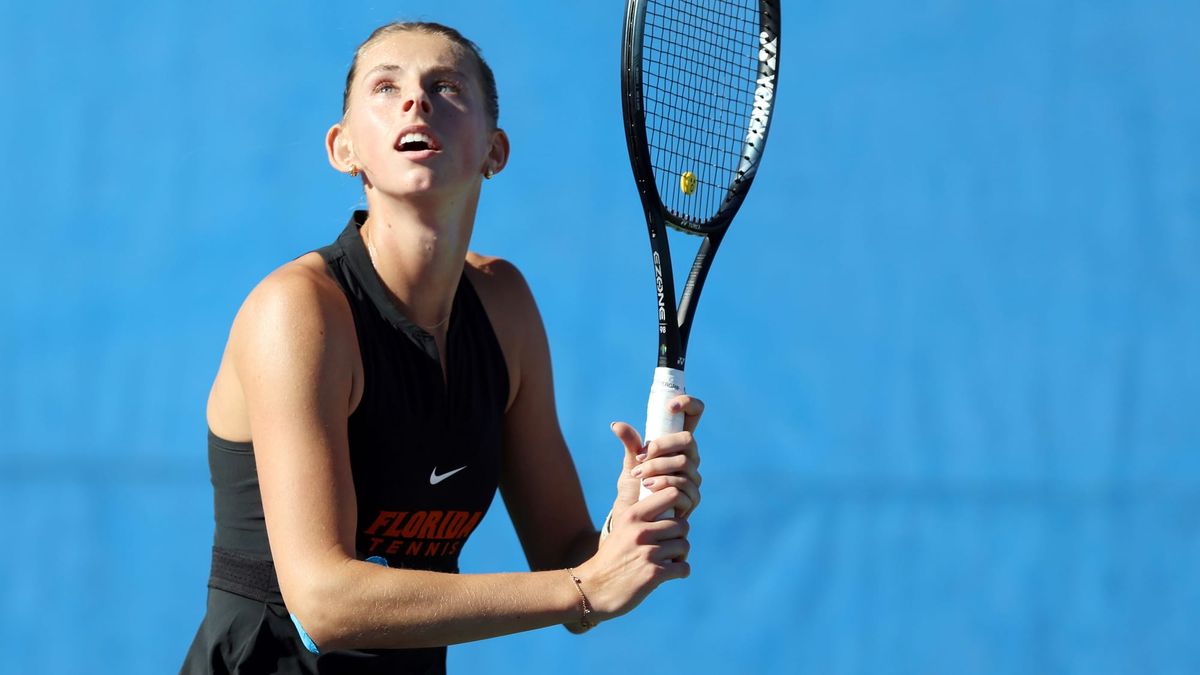
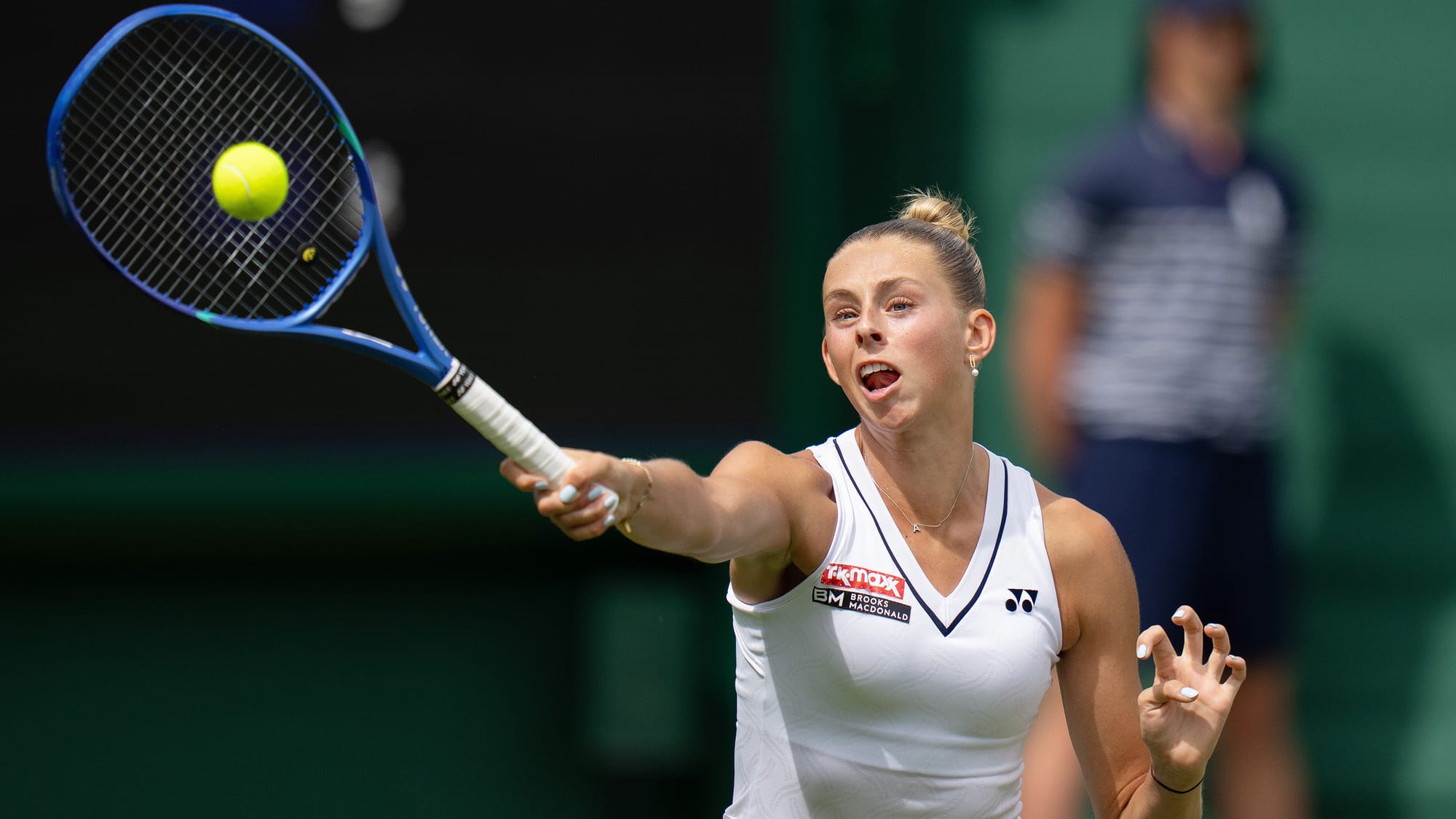
Just a few weeks after graduating from the University of Florida, Alicia Dudeney found herself nearly 5,000 miles away in the Tunisian coastal city of Monastir.
Gone were the immaculate Florida courts she had learned to call home during her four years playing for the Gators women’s tennis team. Gone were her coaches on the sidelines giving last-second advice between points. The team’s support staff, including their nutritionist who pre-packed travel snack bags? No more.
In their place, goats wandered the streets outside the courts at the Monastir Magic Skanes hotel. The dry Mediterranean heat hung heavy in the air. Not a single fan sat in the stands as she took to the court for her matches. Then again, there were no stands to watch from. The site was less a professional tournament and more an outpost for determined, dream-chasing 20-somethings trying to survive another week on the tennis tour.
For athletes in individual sports like tennis and golf, the move from college to the professional ranks is one of the most undercovered and unromantic transitions in sports.
One day, you’re inside a carefully constructed ecosystem. Coaches, trainers, academic advisors and other team support staff handle everything from recovery to managing class schedules to coordinating team travel down to the minute. You're the star, racking up titles and personal accolades. Then graduation arrives, and suddenly that infrastructure disappears overnight. Life becomes a grind — one that yields consistent professional success with extreme rarity, all while squeezing hundreds of thousands of dollars out of any who venture into its clutches.
There’s no draft. No rookie contract. Only a select few college stars leave with seven-figure sponsorship deals and a fast-lane path into the spotlight. For everyone else, the professional climb begins much further down the ladder. Less than .01% of prospective tennis and golf players who competed in college manage a sustained professional career.
In tennis, the path usually starts on the ITF World Tennis Tour, playing 15k and 25k tournaments (often called ‘futures’) in places like Monastir. Along that path, Dudeney most recently took a W50 title in Nottingham and earned a berth at Wimbledon. Strong results unlock bigger events, ranking points and eventually a spot into qualifying at Challenger and WTA tournaments (for women) or ATP tournaments (for men). In golf, it means developmental mini-tours and Q-School routes before you even get a taste of the big tours.
Different names, same brutal reality: Perform consistently or you’re draining money one week at a time.
The players you see on TV are the final product. What most fans never see is the years spent toiling on the lower rungs — one tournament, one modest check and one ranking point at a time.
“The biggest shock was how much of the structure disappears,” said former Florida golfer Annabell Fuller. “At school everything is planned for you: practice, gym, travel, school. When you turn pro, you’re suddenly your own manager, coach, scheduler, and you have to do everything alone. It’s not just about playing good golf anymore. It’s about managing your time, energy and finances while still performing.”
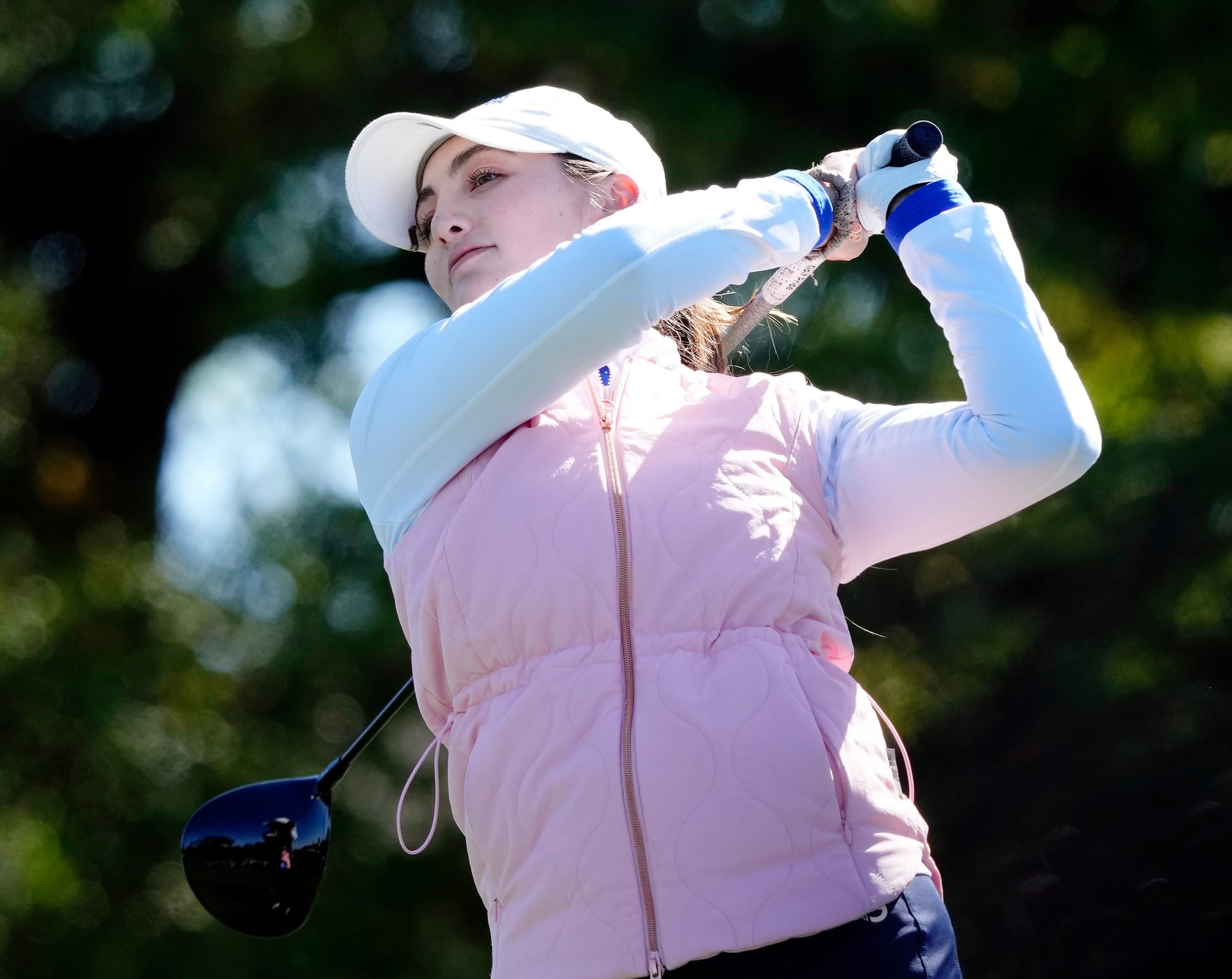
Thousands of miles from Dudeney and Fuller, another recent Florida graduate was living a similar reality. Back in the states, former UF golfer Maisie Filler drove through rural Louisiana hunting for a laundromat after her hotel washing machine broke. Alone on the road, Filler was in Louisiana for a mini-tour golf tournament. After a year on tour, Filler had learned that broken appliances, solo road trips and lonely hotel rooms were simply part of the job description when you’re chasing a professional golf career.
In different sports and on different continents, Dudeney and Filler confronted remarkably similar realities.
“I had a bit of a crisis because I was suddenly on my own,” Filler said. “I no longer had my team, my team coaches, trainers, PTs or the UF environment. I didn’t have a schedule for each hour of my day, what I needed to do for practice, friends to always practice with, travels always planned or others to always push me and hold me accountable.
“I don’t think I was ready for my journey at UF to really be done.”
It took time, but Filler eventually built new routines. Gradually, she learned the art of traveling alone. How to structure practice days, track her tournament schedule, create a new support group and push herself without teammates. “I would go back to being a student-athlete in a heartbeat,” she said. “But I am grateful for going through that ‘crisis’ and learning to be self-sufficient.”
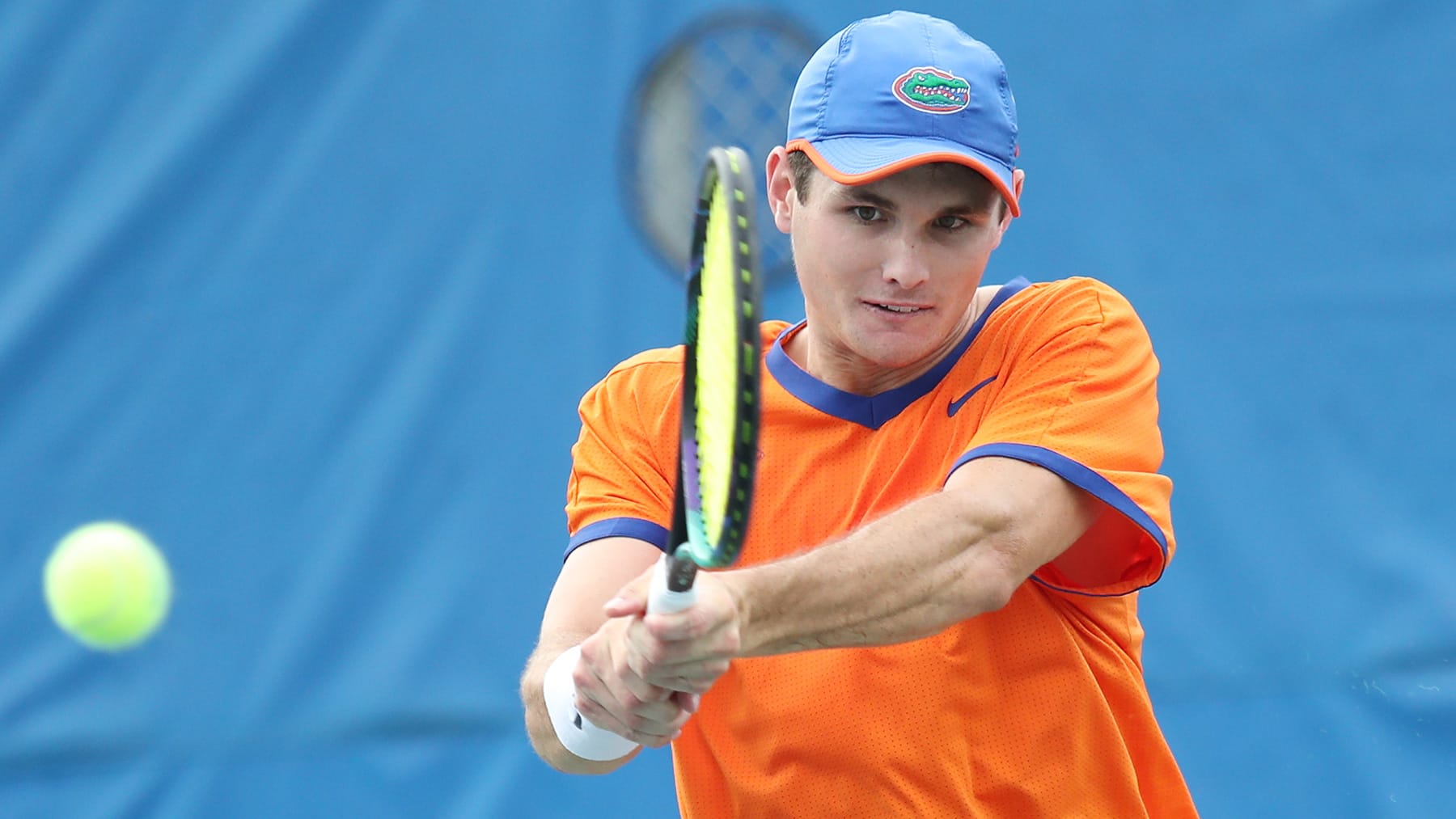
Former Gators men’s tennis player Sam Riffice felt the absence just as sharply. One of the biggest lessons he learned from playing pro tennis was how good he had it at Florida.
“When I traveled and played as a pro, I was doing it alone, in a new city each week, and left to figure out everything for myself,” the Orlando, Florida, native explained. “At UF, I traveled and played with a group of 10 of my best friends, three coaches who planned and prepared every practice, and a team manager who made every inch of travel easy and carefree.”
Some, however, depart college aware of what their next step entails. In some ways, the college experience can be a beneficial structural phase.
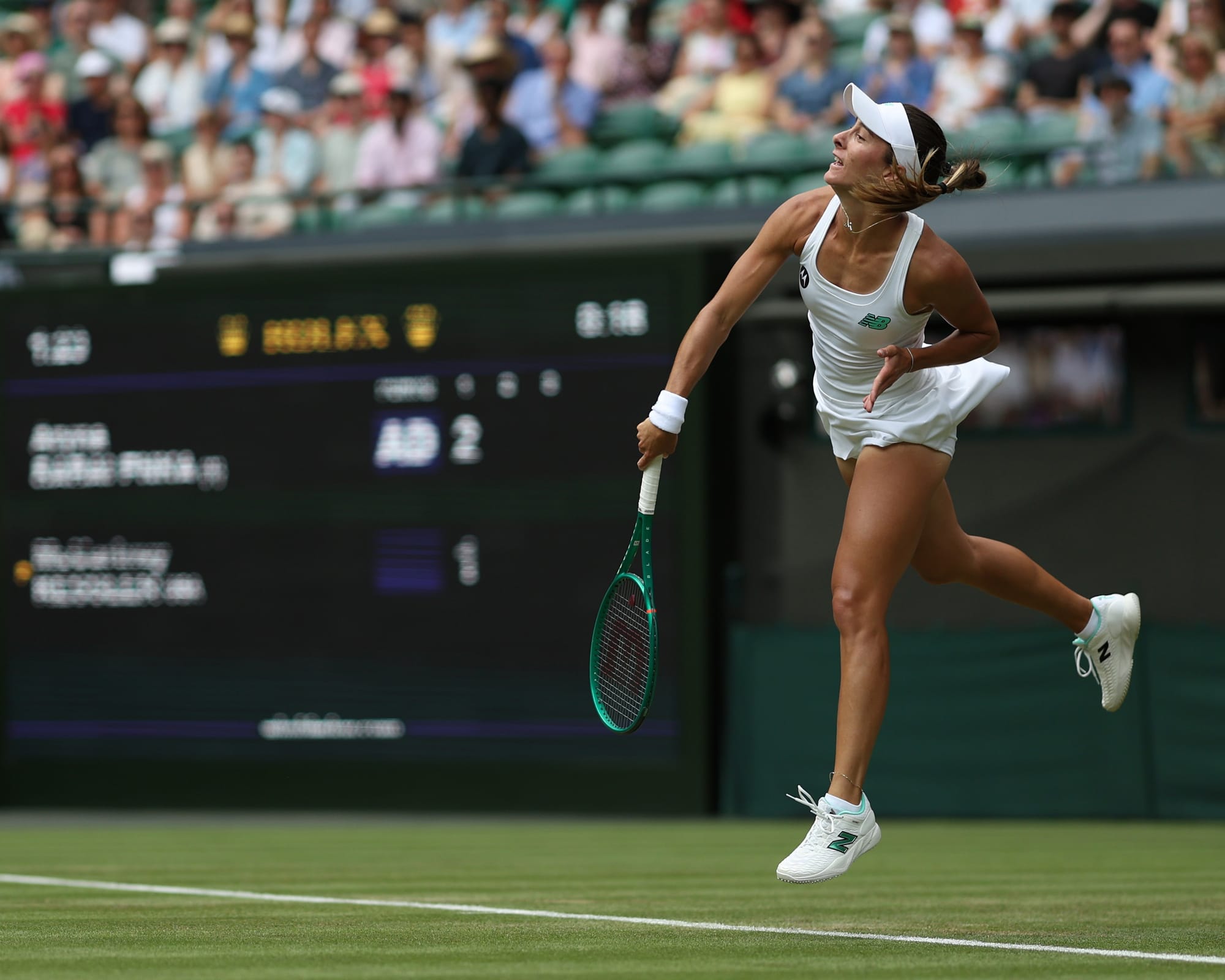
“I believe college tennis was a perfect stepping stone for pro tennis,” McCartney Kessler said. “While there are immense differences, I believe college tennis provided me with structure, hard work and time management skills that have allowed me to be successful on tour.”
Kessler, another Florida Gators tennis alum, has quickly climbed into the WTA top 50 with three titles to her name and wins over the likes of Mirra Andreeva and Coco Gauff. She’s also won over $2.6 million and qualified for all four majors.
Legendary pro Andy Roddick once called college tennis a minor league system where players can develop without immediately carrying the full financial and logistical weight of the pro tour. For Kessler, Dudeney, Fuller and Filler, that minor-league experience fostered not just better tennis and golf, but a lesson in still showing up when conditions are far from perfect.
Like when money gets thin, as it so often does. Even when results are trending upward, the economics and logistics of playing professionally remain a constant challenge, with most competing in qualifiers and ‘futures’ barely scraping by.
“It is so much fun to travel with friends and go to new places,” said Filler, who’s won just over $28,000 in her handful of professional years. “But there is a high financial burden that comes along with the lifestyle.”
Costs add up fast between entry fees, flights, hotels, coaching, physical therapy, equipment and more. Operating as a competitive tennis player, no matter the level, is at least a $50,000 venture, with most spending over $100,000 per year. At the lower levels, prize money is frugal enough that many players are essentially paying for the privilege of competing while they chase ranking points. Most of the time, the paycheck from the tournament doesn’t cover the week’s expenses. Plenty of talented athletes stop playing not because they lack skill, but because their runway crumbles.
Fuller notices how often people miss the full picture. “People see the golf, but they don’t see the logistics, the financial pressure or the mental toll of competing every week,” she said. “It’s a full-time job in every sense, and performance is only one piece of it.”
The mental and physical toll can loom just as heavy when it comes to injury. Kessler said the two biggest challenges she’d had to overcome on tour were her back injuries. She felt like she was missing out on so much opportunity even by missing just one event. “This makes the challenge not only physical but also mental,” she said. Because in tennis and golf, missing events means no prize money whatsoever.
During Riffice’s senior year at Florida, he suffered serious back and hip injuries that kept him off the court for the entire fall. Making the most of the situation, he decided to use the extra time wisely to study for the LSAT. When he graduated, Riffice’s plan was clear: he would play professionally full-time for two years and then re-evaluate based on ranking goals he set for himself.
But after less than a year on tour, his prior back and hip injuries still hadn’t healed completely, and Riffice found himself considering his future earlier than anticipated.
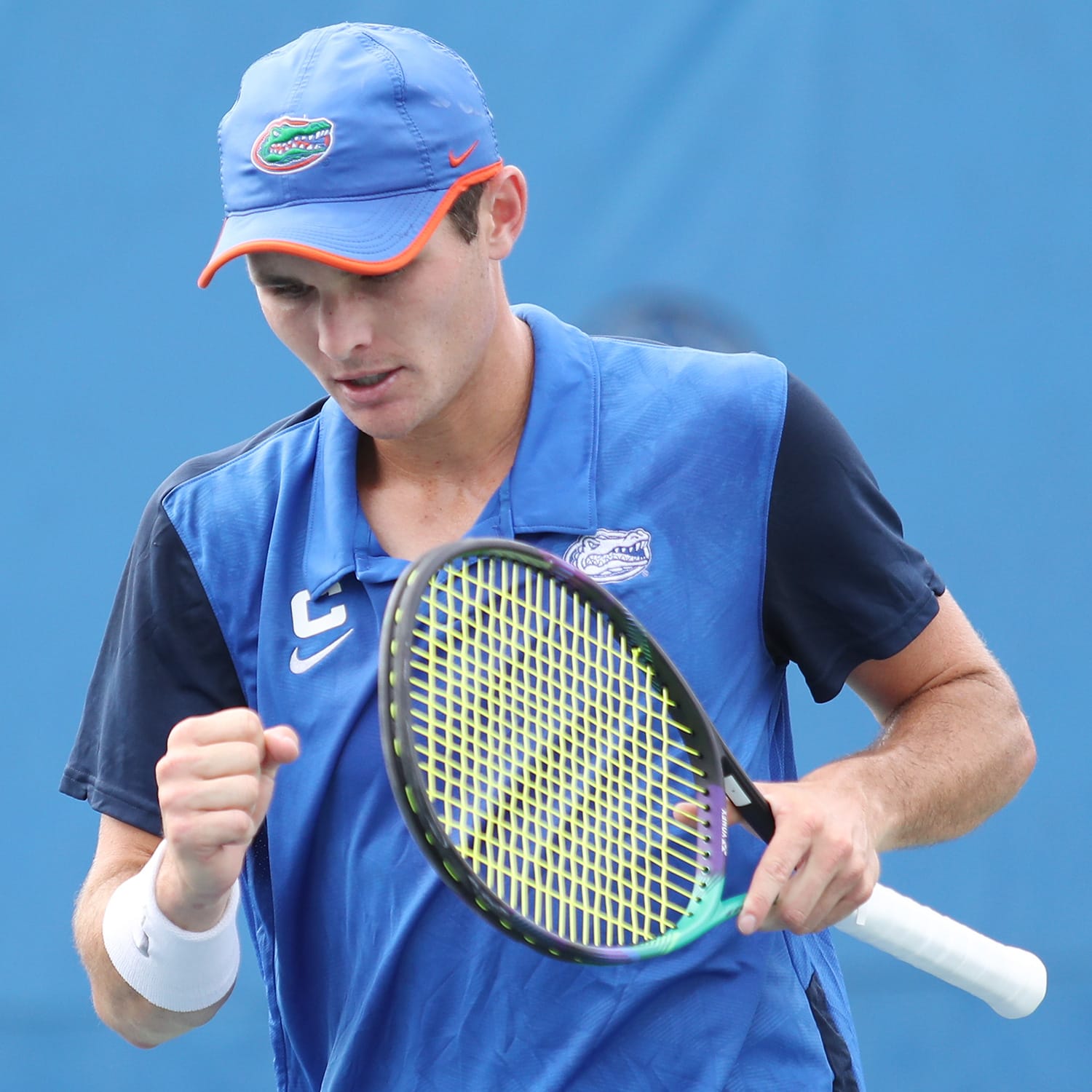
“I felt I had naturally come to the end of my tennis career,” the four-time All-American reflected. “I’d always considered going to law school and felt like it would be a good opportunity to take a few years to reset from the previous 20+ years of my life that were purely devoted to tennis.”
Riffice hung up his rackets with quiet equanimity and gratitude, ready to embark on a new career and a new dream.
For the lucky ones, though, it’s not an injury that forces them to retire, but the feeling that the spotlight and glamour of the main tours are just too far away. Enjoying the process and the journey in the moment is what keeps some players, like Filler, plugging away.
Filler said she spent her first year learning the ropes and getting used to what life as a pro golfer looks like, but heading into her second season as a pro, she’s made a deliberate shift: “My main goal is to embrace and enjoy competition again because I lost sight of why I love golf last year. I want to really focus on the present moment.”
And some are living proof of how valuable that perspective can be.
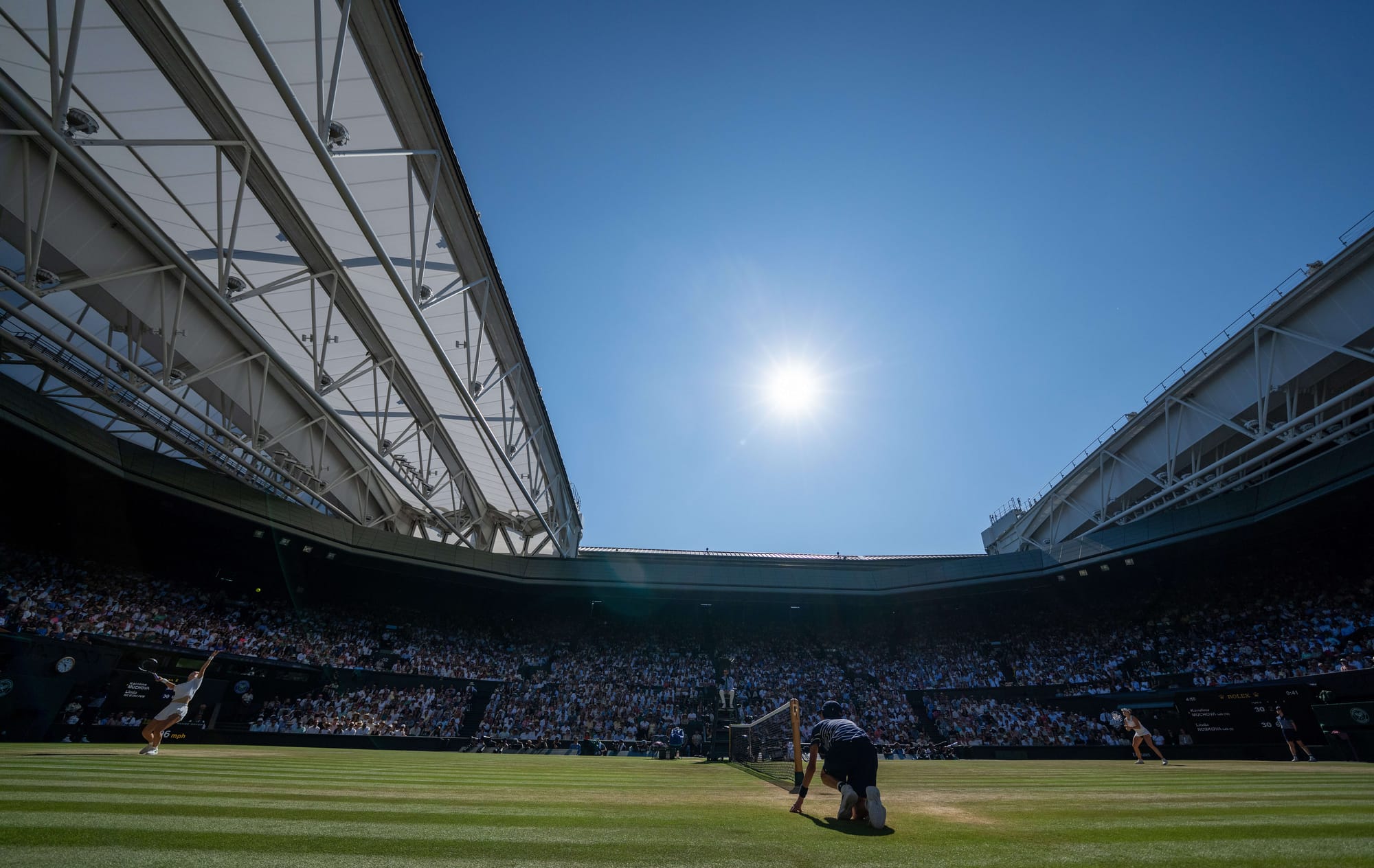
Dudeney walked onto Wimbledon’s grass this summer for her Grand Slam main-draw debut, months after clawing through the sport's underbelly. Her mindset, she said, was all that kept her going. Now, with seven professional titles to her name and a ranking more than 800 spots higher than a year ago, she’s earned her place among the world’s best. And on the grass, the moment she had dreamed of while battling through ITF events in ever-so-remote places finally arrived.
And then it lasted 77 minutes, her losing in straight sets. A week later, she was in Nottingham.