Out At Home
Fragmented TV rights deals. Maddening blackout rules. Soaring subscription costs. Across the country, frustrated baseball fans say MLB’s modern media strategy is leaving its most loyal viewers behind.
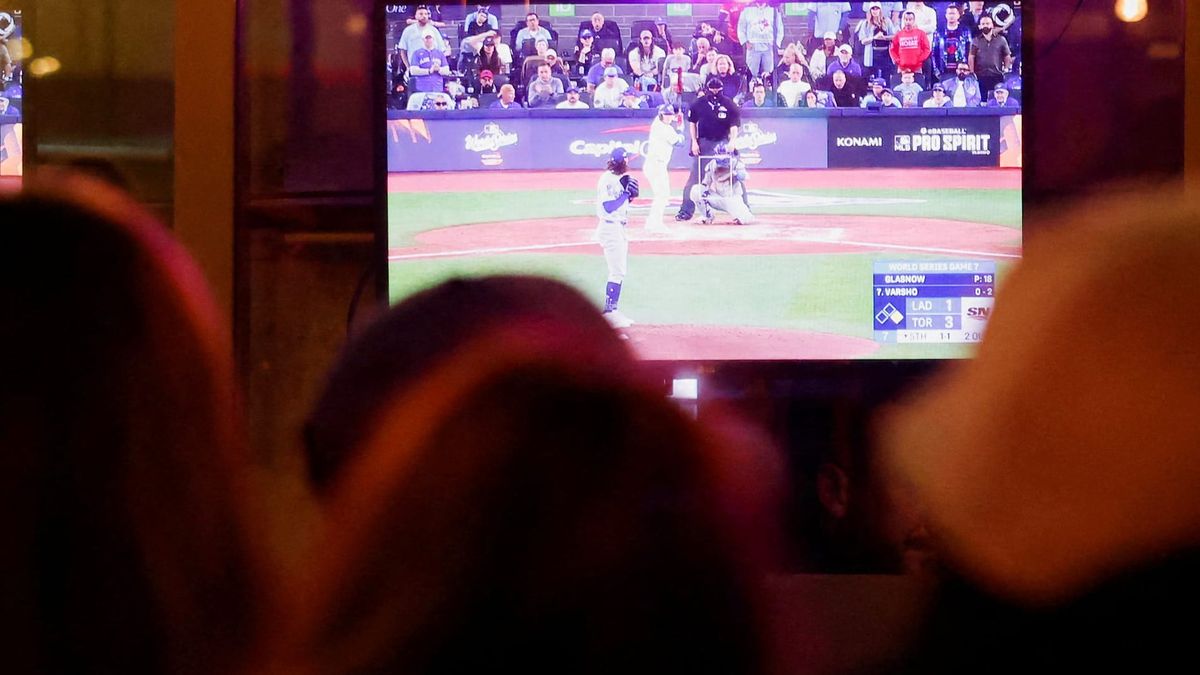
Traci Ramey usually celebrates Opening Day.
As a longtime Cleveland Guardians fan, the beginning of the MLB season is a warming staple in her calendar. But this spring, opening day was not a celebratory one.
Her mom lives in Cleveland, and she has a hard time using her Ring doorbell. Now, she has to find a way to pay at least $100 to watch the Guardians play through their new MLB.TV subscription-based broadcasting, jumping through numerous electronic hoops along the way. Learning the new technology has been difficult for Ramey’s mother, and the price was hard to swallow.
Whether it be the growing financial burden, or fans over four hours away from a city facing in-market blackouts, the MLB’s new subscription broadcasting model has spiraled alive widespread frustration among fans. Social media is ablaze.
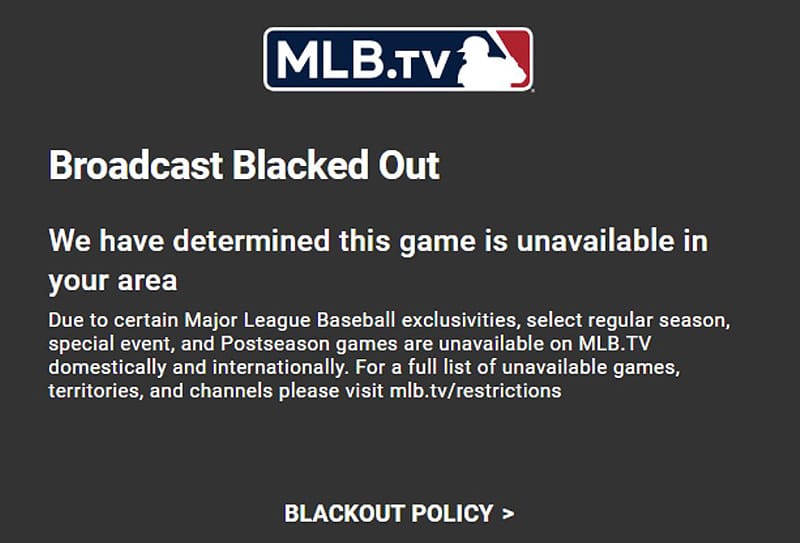
The blackouts fans are facing are location-based, which means fans of 14 teams will not be able to watch their local team through a standard MLB.TV subscription due to local TV deals. Those, which overrule MLB.TV's offerings, prevent or challenge some from watching the closest MLB team to the residence. Essentially, there is no way around fans spending upwards of $100 to watch a full season of their team’s games. God bless if they want to catch the Home Run Derby or similar national events, which are drifting toward streaming services with each passing season.
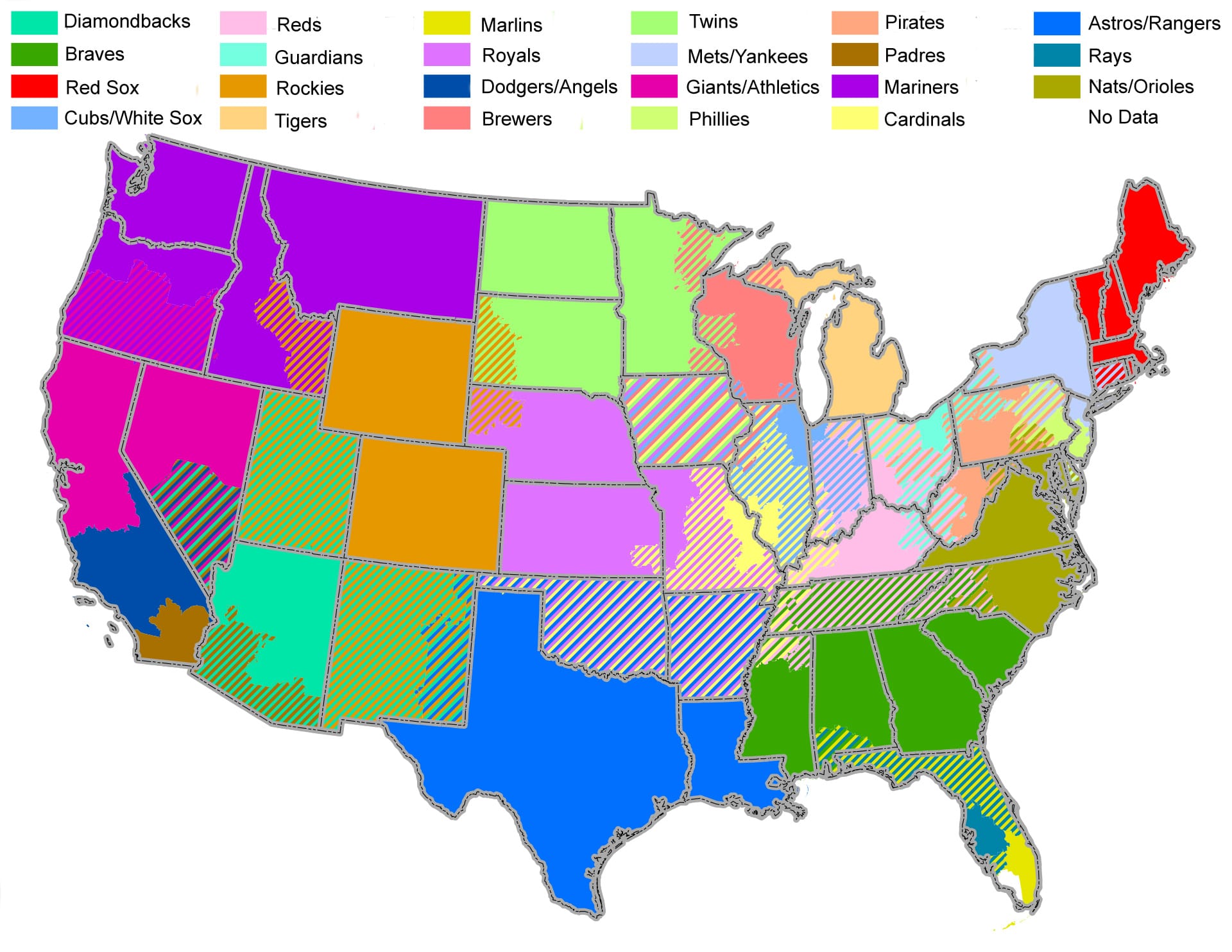
Eric Pratt, a sports editor at The Messenger in Fort Dodge, Iowa, has a 75-year-old father who is facing blackouts despite buying the MLB.TV package. He wasn’t able to watch the Detroit Tigers host the Milwaukee Brewers, since the Brewers were 360 miles from his house.
With five other teams within 450 miles from his dad’s house, he will miss at least 50 Tigers games due to blackouts. The Minnesota Twins, St. Louis Cardinals, Kansas City Royals, Chicago Cubs and Chicago White Sox are five teams that are blacked out for Pratt’s father. Among those, the Twins, Royals and White Sox are division rivals with the Tigers, making these blackouts especially pertinent for Pratt’s father.
“I would understand the blackout restrictions if we lived in the same state as the team, or even within say a two-hour drive of the stadium,” the younger Pratt said. “We live right in the middle of Iowa, and Minneapolis is the closest drive at three hours and 30 minutes.”
Pratt isn’t looking for blackouts to be completely eliminated, but his solution is a thorough evaluation of the blackout regions MLB's made. He thinks the blackouts are not increasing attendance enough to be worthy of preventing fans from watching at home.
The blackouts have impacted Chicago Cubs fans, such as Nate Corbitt, who isn’t able to watch the Cubs anytime they play in Cincinnati. He lives in Asheville, North Carolina, about six hours from Cincinnati. Corbitt posted his frustration over the new rules to Facebook before Opening Day, when the Cubs played at the Nationals, since Asheville is in the Washington, D.C. market.
“The big thing is they need to fix their markets,” Corbitt said. “I don't think anybody who is more than three, maybe four hours away, should be considered an in-market subscriber.”
Corbitt isn’t able to watch the games against the Reds when they play in Chicago, either, since he’s a part of the Cincinnati market. His son lives in Charlotte, and he’s blacked out for the games in Washington, Baltimore and Atlanta
Corbitt bought the MLB.TV package, so he’s able to watch all the Cubs games, since they’re out of market. He’s guaranteed to miss the 13 regular season games they play against the division-rival Reds, though, unless he bought the Reds’ TV package, which is $100.
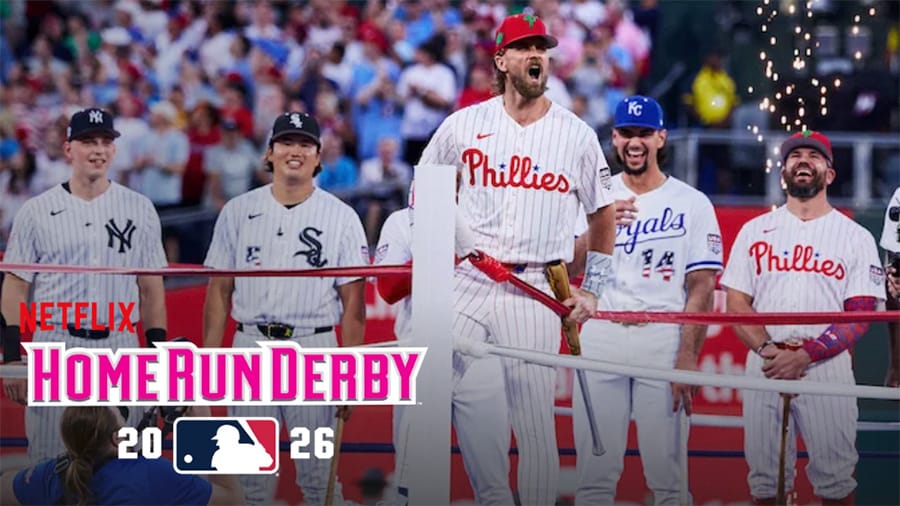
He thinks the potential 2027 lockout season is going to cause baseball to lose fans, and the efforts to expand to different broadcasting platforms may hurt MLB in the future. The MLB just had its lowest viewership of the Home Run Derby since 2003 at 5.3 million people viewing via the exclusive Netflix broadcast.
On July 5, MLB had its full slate of games only on Peacock. The potential lockout could stop the growth MLB is looking for.
“I know they think they're trying to grow it by getting it onto these other platforms and letting other people watch these games and everything,” Corbitt said. Especially that combined with what's likely going to be a long, probably lockout after this season's over, I really think they're shooting themselves in the foot."
Pittsburgh Pirates fan David Wertz is in a similar situation to Corbitt. He lives in Hamburg, New Jersey, so he’s able to watch the Pirates on MLB.TV, but he is blacked out for all New York Yankees and New York Mets games. While the Pirates don’t play the Yankees often, he said he still faces blackouts when they play against their National League counterpart, the Mets.
He thinks the blackout rules don’t cater to the modern game anymore, and they should be left as a relic of the past. Wertz added that the amount of money the teams make should outweigh the desire to have blackouts for fans who are in the team’s market.
“Blackout rules are kind of archaic at this point, especially with the licensing of the teams and everything, the amount of revenue sharing they have, the blackout is kind of wasteful,” Wertz said.
His proposed solution to avoid the blackouts is to pay more so he can see the Pirates play anywhere, even in his blackout region encompassing the Yankees and Mets. That would provide more revenue for the league, he reasons, and it allows Wertz an improved viewing experience.
One benefit with the league switching over to MLB.TV for Wertz is that it has helped him watch all the games in one spot, since he likes to see more than just the Pirates. However, he’s not a fan of the league putting games on multiple streaming platforms, because he thinks MLB plays too many games to spread so wide.
William White, a Yankees fan who lives in St. Louis, has had a hard time watching both the Yankees and Cardinals because of the subscription-based model. He has subscriptions to Netflix, Amazon Prime and Youtube TV, but doesn't want to pay for MLB.TV as well.
Since he’s able to follow the Yankees and Cardinals scores, he's saving money by avoiding MLB’s package. And since he's already paying about $120 each month for other streaming services, he thinks MLB.TV is the most expendable since there are other ways he can follow his team.
“It really is that I can just follow it through writing and checking on ESPN," White said. "I'm still able to follow my team."
MLB is both helping and hurting itself, he argues, by spreading its games across multiple streaming platforms. Fans are bothered, and possibly more likely to abandon the product.
A potential lockout will only expedite such, negatively affecting MLB’s massive TV rights deals. If there are no games, the league won't be able to capitalize on revenue in the second year of its newest rights deal.
“I also think a collective bargaining agreement thing is going to definitely hit the sport,” White said. "If there's a lockout, I think it gets even worse. Like I said, I don't see this fixing itself for at least 5-to-10 years.”
MLB’s new TV rights deal has not been received with a sour reaction by everyone. For the ownership of the teams, such as Tampa Bay Rays CEO Ken Babby, it allows in-market fans of the team to have guaranteed access to the games on cable and streaming.
“With MLB’s best‑in‑class streaming platform, Rays fans in our home market will finally be able to stream games on the MLB app without local blackouts. And just as importantly, fans who prefer the tradition of watching Rays baseball on television will continue to find our games on cable," Babby said. "Every decision we make is done first and foremost with our fans in mind.”
While the broadcasting changes have had a substantial impact on fans, there has also been an impact on broadcasters as well. Rich Hollenberg, who has been on the Rays TV broadcast for 13 years, has experienced drastic changes to his pregame and postgame shows.
He said he used to record about 140 games a season because they did both home and away games, but with the switch to MLB.TV, they’re only producing the shows for home games. In the feedback he has received from fans about the change, it has left a negative impact on their experience watching the broadcast.
“I've already had a bunch of fans saying to me, ‘Oh, we miss you on the road, it's so weird tuning in a half hour before, and not seeing anything when we're used to seeing you guys talking about the game beforehand,’” Hollenberg said.
He thinks the number of teams under MLB’s TV deal will increase from 14 teams to the majority of the league in the future. The potential lockout for the 2027 season, however, could put a pause on MLB’s monopolization of the teams.
“And there's a wild card in all of this, which is, there's a potential lockout or strike coming, and that's gonna put a pause on all of this,” Hollenberg said. “But outside of that, all things being equal, I think the main thing to keep in mind is that MLB and the owners want as much money as they can get from rights fees.”
Hollenberg said the MLB is only funding the pregame and postgame shows for home games, and if they wanted to have a show for road games, the Rays would have to pay for it. In the prior seasons, FanDuel Sports Network, formerly Bally Sports, would pay for the pregame and postgame shows.
He used to have to go to studios to do the shows for away games when the Rays were on Fox Sports, Bally and FanDuel. Then MLB decided to abandon the use of studios for away games to save money.
In his eyes, the league wants to eliminate blackouts, but it won’t be easy as both sides are not willing to compromise.
“In this day and age, you're like, doesn't it sound so archaic to say that all these games are blacked out?” Hollenberg said. “There's gotta be a way to work around that, and I think MLB wants to do that, but they wanna do it on their terms.”
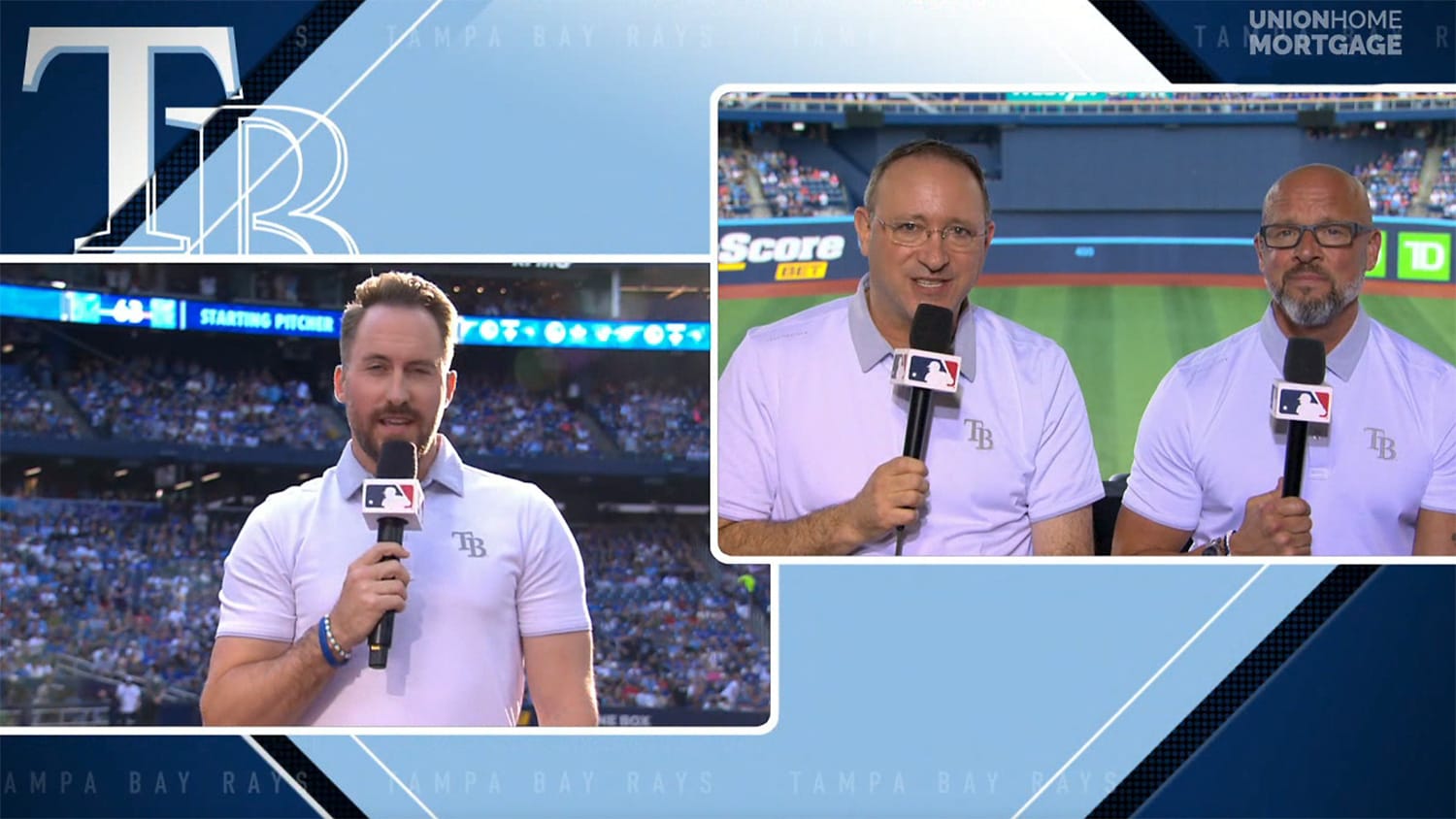
For Ryan Bass, who is in his fifth season with the Rays, his workload has increased with the switch to MLB’s broadcast. With Hollenberg not being able to work the road games since he is a host, Bass has taken over hosting pregame and postgame for road games, since he is at the ballpark.
“It's the same process of preparing for broadcasts,” Bass said. “I'd say the only difference is, I host a little bit on the road this season for postgame.”
As the league moves toward a potential lockout and a new CBA, fans are calling for changes with blackouts and broadcasting. MLB fans, such as Pratt, aren’t asking for the complete elimination of blackouts. MLB conducting a complete evaluation of its policies is what fans want.
“Again, I'm not expecting a zero-blackout policy," Pratt said. "The league should pay more attention to which teams are being blacked out and why.”